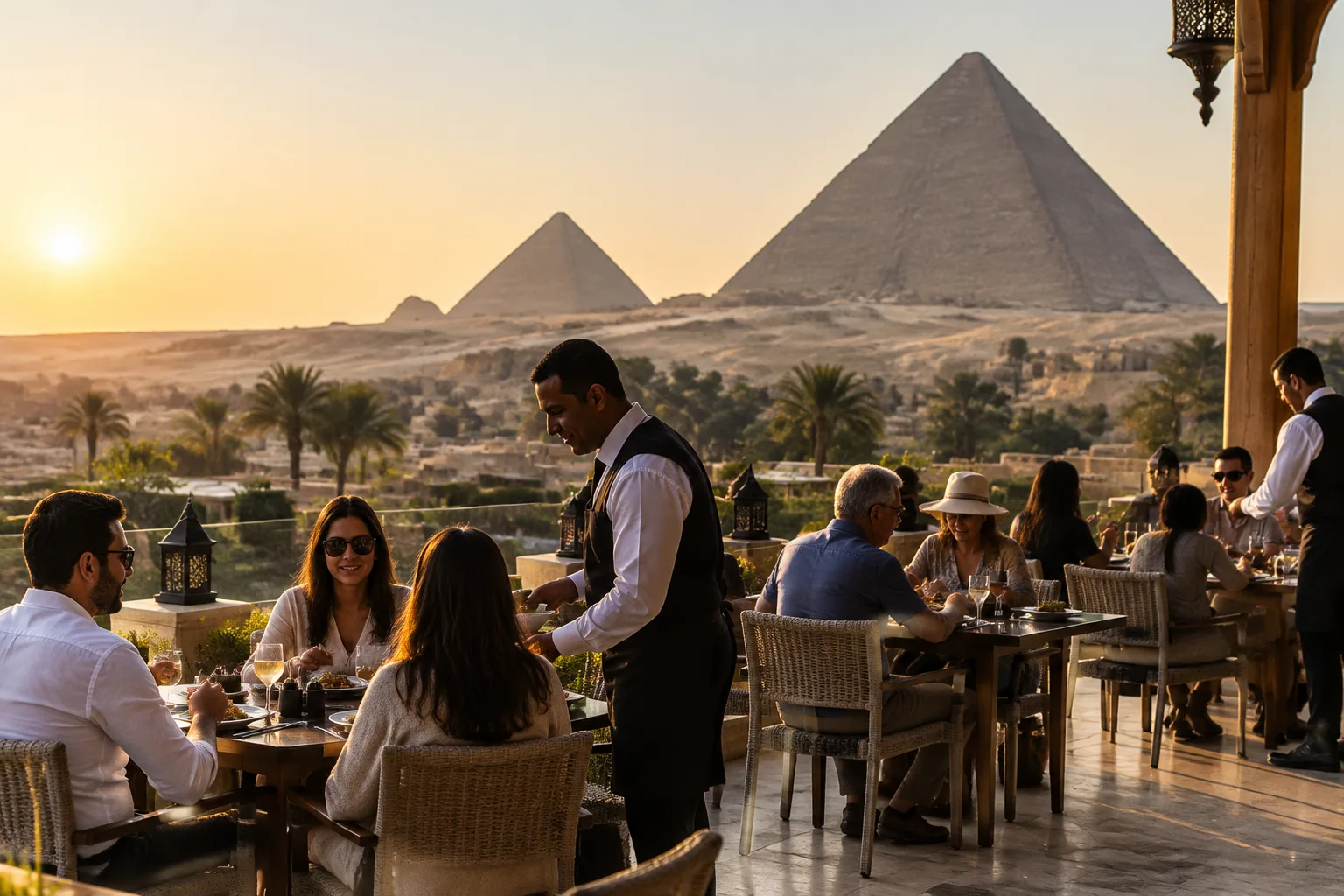
Post-Summer Slowdown Tests Restaurant Franchises in Egypt
Activity at Egypt’s tourist restaurants fell in October as costs rose, highlighting the importance of testing seasonal demand when assessing franchise opportunities in the country.
Published
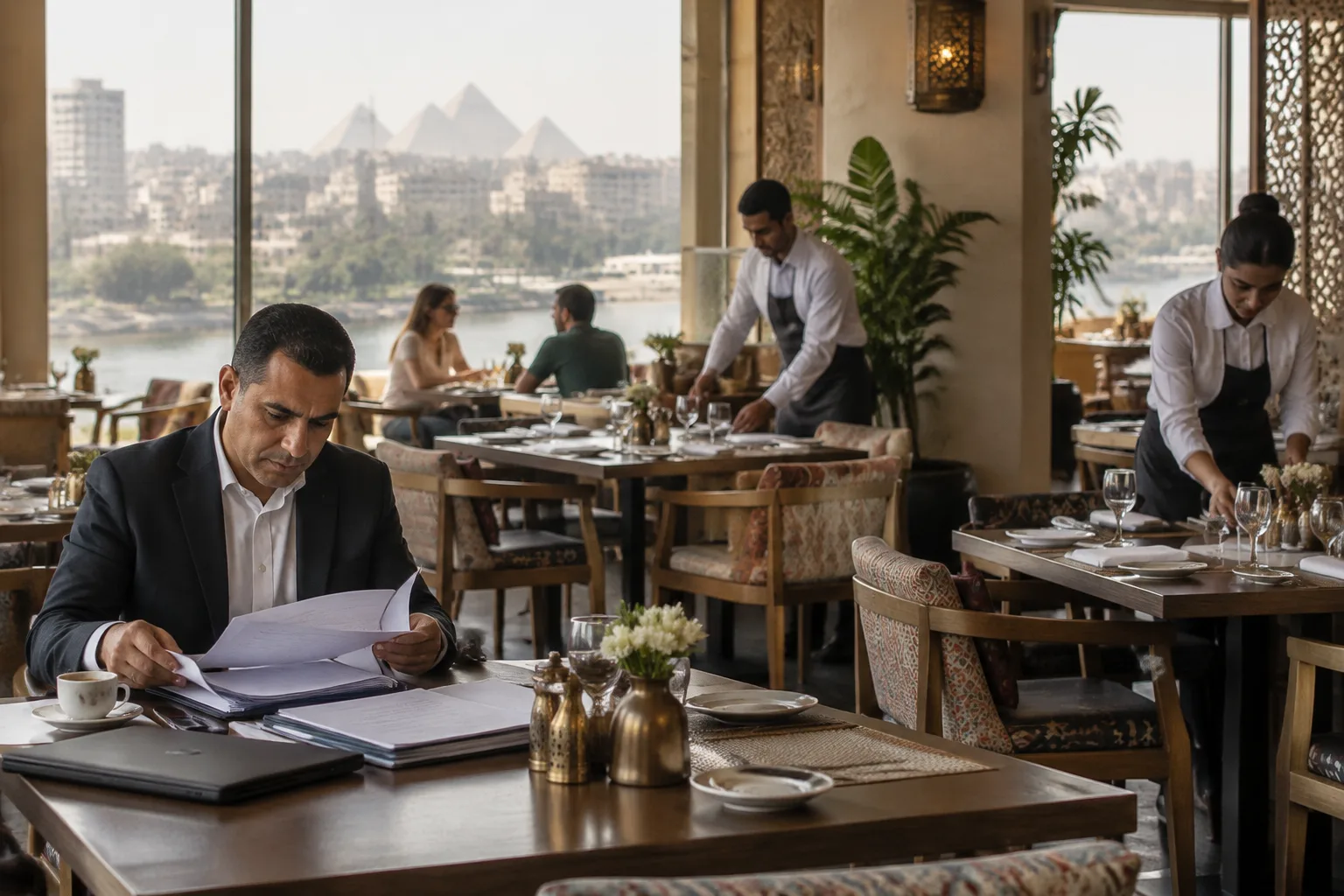
Egypt’s tourist restaurants face an operational test following the summer peak, with activity levels falling in October and costs rising, according to a report published by the Al Franchise website on 21 October 2026. These indicators matter to the franchise sector: franchised brands account for around 30% of the market, according to the chairman of the Egyptian Chamber of Tourist Restaurants.
From the summer peak to weaker demand
The report stated that restaurants operated at 80–90% of capacity between July and September, falling to 50–60% in October as the peak tourist season ended. This shift highlights the importance of distinguishing between busy months and the periods that follow when assessing tourist restaurant performance.
The slowdown coincided with a recent increase of around 10% in operating costs. According to the report, most restaurants chose not to pass these increases on to customers, given weaker demand compared with the summer season. Operators therefore face both cost pressure and lower activity than at the peak, rather than either challenge in isolation.
These figures relate to tourist restaurants as covered in the report; they are not a separate measure of franchise restaurant performance. They nevertheless provide useful context for understanding the environment in which brands and franchisees operate, particularly when assessing a business that relies on visitor traffic or is sensitive to changes in the tourist season.
Franchising’s presence in the tourist restaurant market
Yasser El-Tagoury, chairman of the Egyptian Chamber of Tourist Restaurants, told Al Arabiya in comments cited by the report that franchised brands represent around 30% of the overall market, compared with 70% for local brands, using his stated classification. He added that the chamber represents around 1,700 restaurants and tourist establishments, employing approximately 85,000 people.
These figures illustrate franchising’s significance within the tourist restaurant sector, but they do not mean that all brands or locations perform at the same level. Nor is market presence an indicator of profitability or of an individual restaurant’s ability to absorb higher expenses. These considerations should be assessed separately when reviewing a new investment opportunity.
El-Tagoury noted that Cairo and the Pyramids area led new expansion activity, followed by Hurghada, Sharm El Sheikh, Alexandria and the North Coast. This adds a geographical dimension to the seasonal picture. Assessing a particular location requires its own operating data, rather than relying solely on broad averages or cities’ rankings for expansion activity.
A ready-made model still comes with operating obligations
In the same report, Ahmed Sobhi Hamido, dean of the Swiss College of Business Administration in Cairo, said franchise agreements were becoming increasingly common in restaurants, cafés and hotels, thanks to their ready-made operating and marketing models and accumulated expertise. These benefits help explain the appeal of operating under an established brand rather than building an independent model from scratch.
However, Hamido also noted that franchising places greater restrictions on management and operational freedom than running an independent business, because franchisees must comply with standards set by the brand owner. This makes it important to consider benefits and obligations together, rather than treating the brand name alone as the basis for an investment decision.
With costs rising and activity slowing after summer, understanding the scope of these obligations becomes a practical concern for investors. Before signing, discussions should explore what operating standards require, how much flexibility they allow, and how the relationship with the franchisor is managed when demand differs from peak-season conditions. These are due diligence questions, not a description of uniform terms across all brands.
Assessing the opportunity across the year
The clearest lesson from the comparison between summer and October is that peak-month results alone are not enough to build a picture of year-round operations. For investors considering a restaurant franchise, reviewing monthly performance at the proposed location or comparable outlets is likely to be more useful than relying on an aggregate figure that conceals seasonal changes.
Other practical questions include how higher expenses would affect the business if they were not passed on through customer prices, and what assumptions underpin demand forecasts outside summer. These questions should remain separate from return projections: the published figures do not provide a basis for calculating returns for either a specific brand or a new outlet.
Practical takeaway: Before signing a franchise agreement for a tourist restaurant, request monthly operating data, test the impact of weaker demand and higher costs, and review the limits on operational flexibility in the contract. Brand strength is a starting point for assessment, not a substitute for understanding the location’s economics throughout the year.