DFI Retail to take over Maxim’s Starbucks franchise business, including Hong Kong and Macau stores
DFI Retail will exit its stake in Maxim’s and take over the Starbucks franchise business spanning seven markets, including Hong Kong and Macau. The transaction is expected to complete by the end of the first quarter of 2027, subject to customary closing conditions.
Published
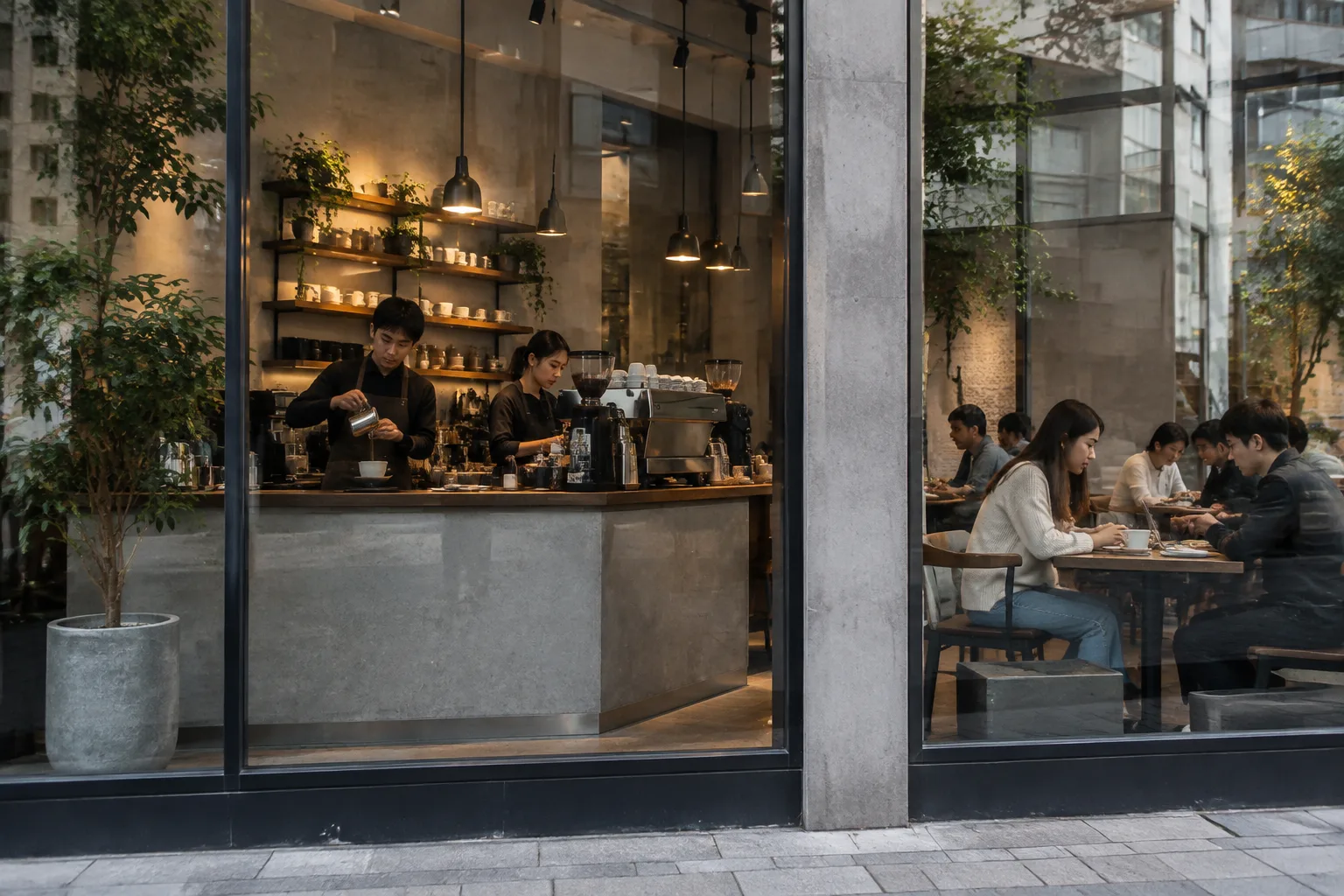
DFI Retail Group and Hong Kong Caterers have reached an agreement on their interests in Maxim’s Caterers and its subsidiary businesses, according to a Jiemian News report on 30 September. DFI Retail plans to exit its stake in Maxim’s while acquiring full ownership of Coffee Concepts, Maxim’s Starbucks franchise business. For international readers assessing franchise opportunities in China, the restructuring directly covers Hong Kong and Macau; it is not a transaction involving Starbucks’ mainland China business.
How the ownership changes will work
Under the announced arrangements, Hong Kong Caterers will become the sole shareholder of Maxim’s. Full ownership of Coffee Concepts will transfer to DFI Retail Group, which will also manage the business. This means both Maxim’s shareholder structure and the ownership of its Starbucks franchise business will change.
The report also states that DFI will receive approximately US$340 million in cash consideration, further strengthening its balance sheet, and will raise its dividend payout ratio to 80% in 2027. Importantly, this cash consideration forms part of the overall restructuring arrangements. It should not be interpreted as the price DFI is paying to acquire the Starbucks business.
The parties have reached an agreement, but the transaction has not yet completed. It remains subject to customary closing conditions and is expected to complete by the end of the first quarter of 2027. Readers should distinguish between the announcement of an agreement and completion of the transaction.
Hong Kong and Macau are included; mainland China is not
The Starbucks business involved operates more than 1,100 coffee shops across seven Asian markets: Hong Kong, Macau, Thailand, Vietnam, Singapore, Cambodia and Laos. That figure is the total across all seven markets, not the number of stores in Hong Kong and Macau alone.
For prospective franchise partners interested in China, the geographical scope is central to understanding this news. The reported business includes Hong Kong and Macau but does not include mainland China. It therefore provides no basis for concluding that the management or partnership arrangements for mainland Starbucks stores are changing.
Equally, the announcement concerns a transfer of ownership of the franchise business, not a sale of the Starbucks brand. Ownership and management of a regional business are distinct from ownership of the brand itself and should not be confused.
Expansion plans focus on South-East Asia
DFI plans to expand the coffee shop network to at least 1,350 stores by 2029, focusing on less-penetrated markets in South-East Asia, particularly Thailand and Vietnam. This is a stated target for the future network, not a count of new stores already opened.
The reporting does not disclose separate expansion targets for Hong Kong and Macau, nor does it set out an annual opening schedule for the seven markets. The overall target should therefore not be divided equally between markets or read as evidence of an imminent wave of openings in Hong Kong and Macau.
For readers tracking franchise developments in China, the plan offers an indication of how the store network may develop across markets. However, a network expansion plan does not in itself mean that franchise opportunities are being opened to individual investors. The report provides no new franchise recruitment criteria, fees or application channels.
Day-to-day operations unchanged, with completion still to come
According to the announcement, day-to-day operations at both the Starbucks franchise business and Maxim’s will remain unchanged following completion. This is the clearest statement currently available on operational continuity. A change in ownership should not automatically be equated with a change in how stores are run.
The key developments to monitor are whether the closing conditions are met, whether the transaction completes on schedule and whether DFI publishes more detailed network plans for individual markets. The reporting provided does not elaborate on store procurement, staffing arrangements or specific partnership contracts, so further assumptions would be unwarranted.
Practical takeaway: when assessing news of a franchise transaction, first check the parties involved, the geographical scope and the completion status, then consider its relevance to your own business. Do not mistake a transfer of ownership in a regional business for a change in brand ownership or the launch of new franchise opportunities.