Choosing Franchise Premises in China: Agree Approval, Licensing and Delay Responsibilities Before Signing
A franchisor’s approval of premises does not guarantee that the outlet can legally open. Before signing, set out site approval, licensing checks, payment milestones and what happens if opening proves impossible, so that franchise fees, rent and fit-out costs do not all become tied up.
Published
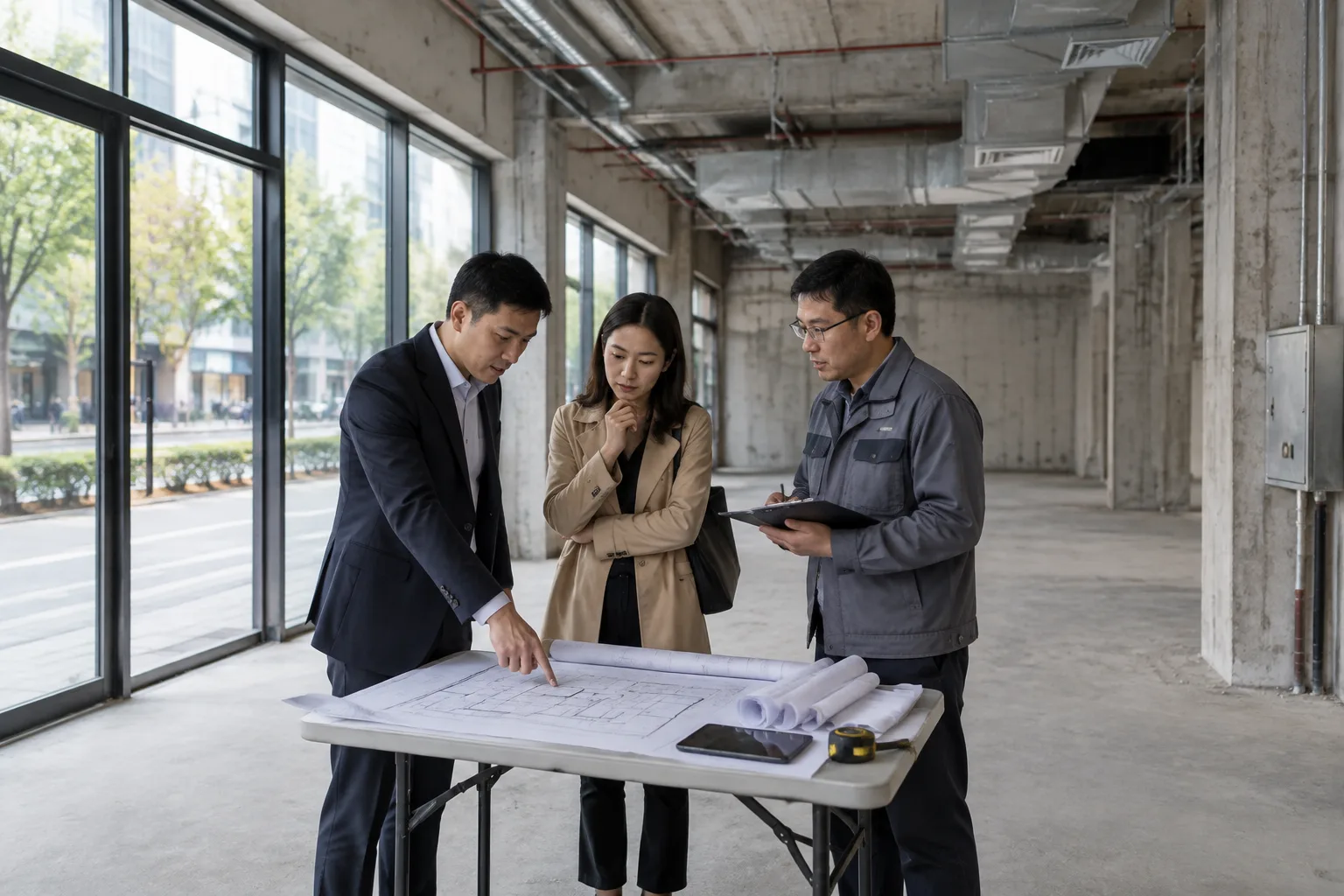
When joining a franchise network, finding premises approved by head office is only the first step. A franchisor may consider a site suitable in terms of footfall, floor area and brand image, but that does not mean the necessary licences can be obtained for that address. The key questions to resolve in advance are who checks the operating conditions, who bears the consequences of an incorrect assessment, and how further spending can be stopped if the outlet cannot open. This guide focuses on how contracts should address site selection and licensing responsibilities in mainland China.
1. Distinguish Brand Approval from Regulatory Permission
A franchisor’s site approval is usually a commercial assessment: for example, whether the location, frontage and projected footfall suit its business model. Administrative licensing, registration and other compliance requirements, by contrast, are set by law and administered by the relevant authorities. Neither can substitute for the other.
Article 7 of the Regulations on the Administration of Commercial Franchising requires franchisors to have the capacity to provide ongoing operational guidance, technical support, business training and related services. Article 11 requires a written contract specifying matters such as the services to be provided, how they will be delivered and liability for breach. These provisions do not, however, mean that a franchisor automatically guarantees that every proposed outlet will receive permission to open.
When signing, therefore, do not settle for a promise that ‘head office will assist with licensing’. Ask for the specific services to be listed: whether the franchisor will review documents relating to the address, inspect the premises, advise on equipment layout, answer technical questions raised by the licensing authority, and provide a written assessment by an agreed date.
The franchisor’s commercial franchising filing is not an operating licence for an individual outlet. The filing required under Article 8 of the Regulations on the Administration of Commercial Franchising is a regulatory obligation on the franchisor. It does not replace the formalities that franchisees must complete for their own businesses.
2. Create a Site Verification Checklist Before Signing the Lease
For a food outlet, for example, check with the relevant local authorities which food business licensing or filing requirements apply to the proposed activities. Also verify applicable conditions relating to the permitted use of the premises, kitchen extraction, drainage and fire safety. Requirements may vary by business type, building conditions and local procedures, so do not simply copy another franchise outlet’s licensing checklist.
It is useful to divide the checks into three groups:
- Documents from the landlord: evidence of ownership or a lawful right to let the premises, the designated use of the property, permitted business activities, and any authorisations needed for fit-out work, extraction systems and signage.
- Documents from the franchisor: the proposed business activities, equipment and layout requirements, site selection standards, and the written basis for its assessment that the premises are suitable.
- Matters for the franchisee to verify: who will apply, which documents must be submitted, the required site conditions and the application process. Where necessary, engage suitably qualified professionals to inspect the premises.
Record who supplied each document, when it was checked and which questions remain unresolved. A verbal assurance that ‘this used to be a restaurant’ does not establish that your proposed activities can be approved now. Nor can a new operator automatically continue using the previous outlet’s licences and certificates.
Mark any conditions that have not yet been verified as ‘awaiting confirmation’. Avoid signing a blanket statement in a site approval document that ‘all conditions for opening have been met’.
3. Align Payments with Verification Milestones
One of the riskiest arrangements is a franchise agreement requiring immediate payment in full, a lease under which rent starts straight away, and no deadline for the franchisor to complete its site review. Even if approval is ultimately refused, rent and other costs may continue to accumulate.
Consider negotiating staged payments with the franchisor and setting out the site selection process in a schedule to the contract: submission of complete documents, franchisor feedback, further checks, written approval and access for fit-out work. Each milestone should identify the responsible party, the response deadline and what happens if it is not completed. This is a contractual arrangement to negotiate, not a standard payment procedure prescribed by law.
The site selection provisions should answer at least four questions:
- How long is allowed to find premises, and how many candidate addresses may be submitted during that period?
- If the franchisor rejects a site, must it identify which standards the site fails to meet?
- If a change of site is required, who pays for surveys, design work and other costs already incurred?
- If no suitable address has been found by the deadline, will the parties extend the search, end the arrangement or negotiate a different solution?
The lease needs to address these issues alongside the franchise agreement. Seek provisions covering the landlord’s assistance with licensing, conditions for fit-out work, and termination rights if specified problems with the premises prevent the business from operating. A refund clause in the franchise agreement does not automatically bind the landlord, and a rent-free period in the lease does not automatically extend the opening deadline under the franchise agreement.
4. Allocate Responsibility for Licensing Failure and Opening Delays According to Their Cause
Avoid relying solely on a clause stating that ‘licensing is the franchisee’s responsibility’. Equally, do not simply expect the franchisor to bear every risk associated with opening. A more practical approach is to agree remedies and financial settlement arrangements for different causes of failure or delay.
If the franchisee submits documents late, specify a deadline for remedying the omission and responsibility for the resulting delay. If the franchisor’s technical plans are defective, clarify its obligation to revise them, the completion deadline and who bears the associated costs. If the landlord conceals restrictions affecting the premises, the matter will need to be addressed under the lease and the landlord’s undertakings. Where neither party is at fault but approval cannot be obtained, separately agree any opportunity to find another site, the conditions for termination and how completed services will be accounted for.
The rules on contractual performance, liability for breach and termination in the Civil Code of the People’s Republic of China will also affect how disputes are resolved. Failure to obtain a licence does not automatically invalidate the franchise agreement or entitle the franchisee to a full refund of franchise fees. The outcome will depend on the cause of the obstacle, the contract terms, what has already been performed and the available evidence.
Throughout the application process, retain application documents, requests for corrections or supplementary information, feedback from the authorities, the franchisor’s written assessments and evidence of rent payments. If a problem arises, notify the relevant parties promptly in writing and take reasonable steps to limit further expenditure. Do not keep fitting out the premises or buying supplies solely because a salesperson says to ‘give it a little longer’.
Practical takeaway: before making substantial payments, prepare a checklist covering ‘site conditions — person responsible for verification — completion deadline — action if requirements cannot be met’. Incorporate the relevant provisions into both the franchise agreement and the lease. Site selection is only truly complete when commercial approval, the conditions for lawful operation and the exit arrangements are clearly aligned.