Crumbl Launches $1.99 Combo as Franchise Locations Close
Crumbl’s new cookie-and-drink bundle arrives as reported sales declines and store closures put franchisee economics in focus.
Published
Crumbl has introduced a $1.99 cookie-and-drink bundle at participating locations as its franchise network faces reported sales declines and store closures. The promotion brings a lower-priced offer to customers, while raising a practical question for the US franchise community: how does a new product programme translate into sustainable returns for individual owners?
What the $1.99 offer includes
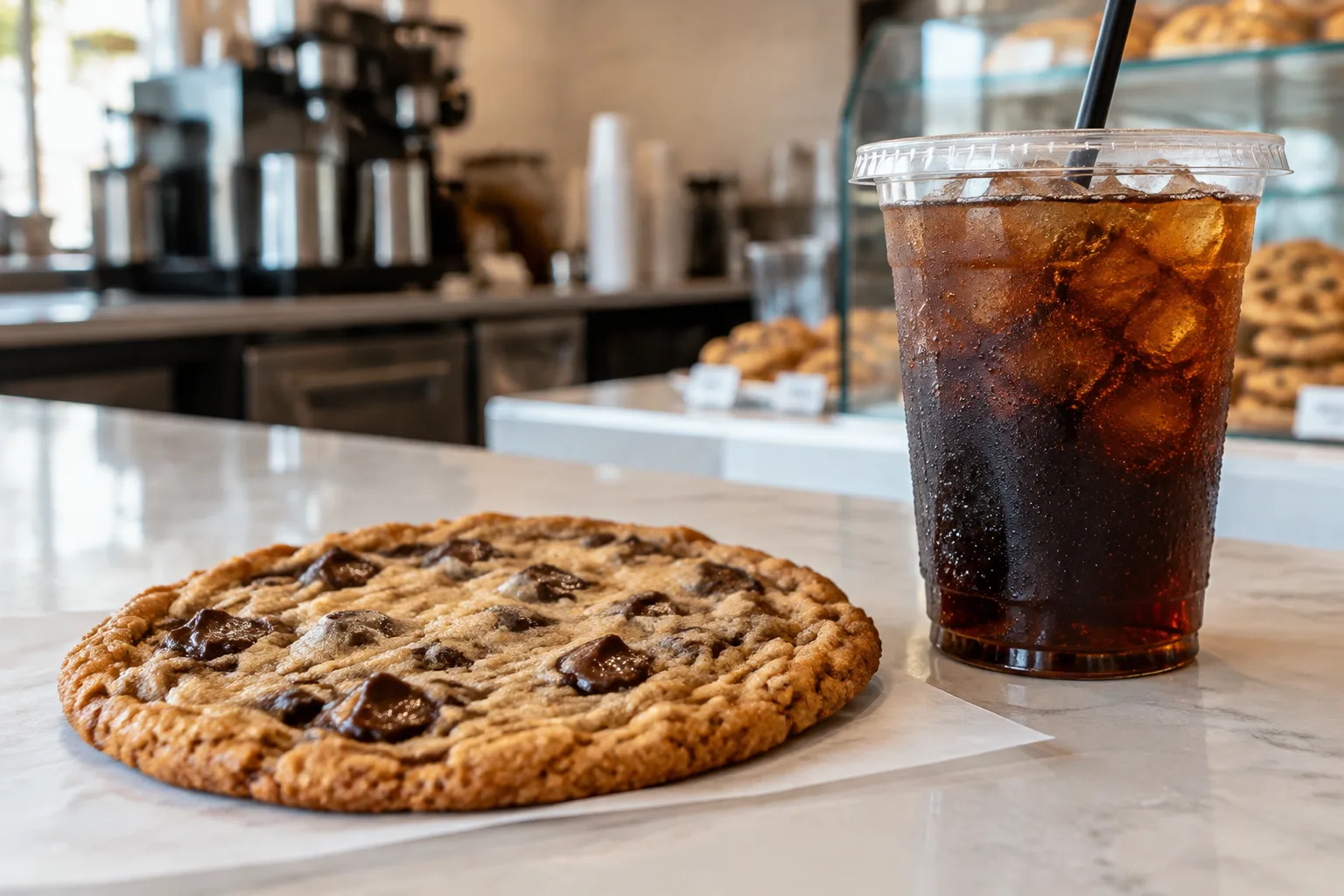
The bundle launched on Friday, 16 October, pairing a 24-ounce zero-sugar Dirty Soda with a large Chocolate Chip Thin cookie. According to an October 20 report by L’Express Franchise, the combination contains 170 calories and is available at participating locations.
The offer puts Crumbl’s beverage programme alongside its core cookie proposition. In a statement provided to Restaurant Business and reproduced in the report, Crumbl confirmed that Dirty Soda was live in approximately 800 stores. The company said it “is continuing to build out its marketing efforts, including various initiatives and value bundles”.
That statement establishes the promotion as part of a broader marketing effort, rather than a standalone product launch. It does not, however, provide results for the bundle or indicate how much additional revenue participating franchisees can expect. With the offer only recently introduced, its effect on trading remains to be demonstrated.
Sales and profits under pressure
The launch comes against a difficult reported trading backdrop. Citing internal company documents reviewed by Restaurant Business, L’Express Franchise reported that Crumbl’s system-wide sales in August 2026 were 70% below August 2024 levels. September sales were reported to be 50% below the corresponding 2024 period.
These are system-wide figures, not a stated same-store sales measure. That distinction matters when assessing a network whose number of operating locations is also changing. The figures describe the reported performance of the overall system, rather than establishing the sales movement at every individual shop.
The same account put median monthly profit per store in September at $1,832. Annualising that single month produces roughly $22,000, but that calculation is not a reported full-year result or a forecast. Nor does a median show the range between stronger and weaker locations.
For prospective franchisees, the distinction is important: a headline profit figure needs to be considered alongside its reporting period, calculation method and the performance of comparable locations. For existing owners, the immediate issue is whether additional transactions generated by a value offer contribute enough profit to improve local results.
Closures reshape the network
L’Express Franchise reported that Crumbl entered 2026 with 1,101 locations. Between 30 April and early October, it opened 15 locations and closed 80, producing a net reduction of 65 and leaving approximately 1,036 units.
The continued openings are worth noting, but they were outweighed by closures during the reported period. The resulting contraction provides important context for the new promotion: the company is introducing value-led marketing while its operating footprint is shrinking.
There are also reported signs of pressure beyond individual shop trading. According to the account, a six-store New England franchisee filed for bankruptcy protection in September. It also reported that corporate layoffs in August and September affected more than 120 employees, citing multiple sources quoted by Restaurant Business.
These developments concern different parts of the business. They should not be treated as evidence that every franchisee faces the same financial position, but together they explain why the economics of the latest initiative warrant close attention.
Equipment costs put returns in focus
Participation in the Dirty Soda programme required operators to invest up to $50,000 in beverage equipment, according to the report. That is an investment in the wider drinks programme, not a stated cost of introducing the $1.99 bundle alone.
The distinction is central to assessing returns. A promotional selling price does not reveal ingredient costs, labour requirements, transaction margins or the time needed to recover equipment expenditure. Equally, the reported information does not establish whether customers buying the bundle also purchase other products.
Practical takeaway: franchisees assessing a new value programme should separate promotional sales from incremental profit and test equipment payback against realistic local demand. For Crumbl, the next meaningful measure will be the offer’s contribution to store-level results, not simply its advertised price.