Pick n Pay Clothing reaches 439 stores as online sales rise
Pick n Pay Clothing has reached 439 stores, with online turnover up 137% and plans to modernise another 10 outlets.
Published
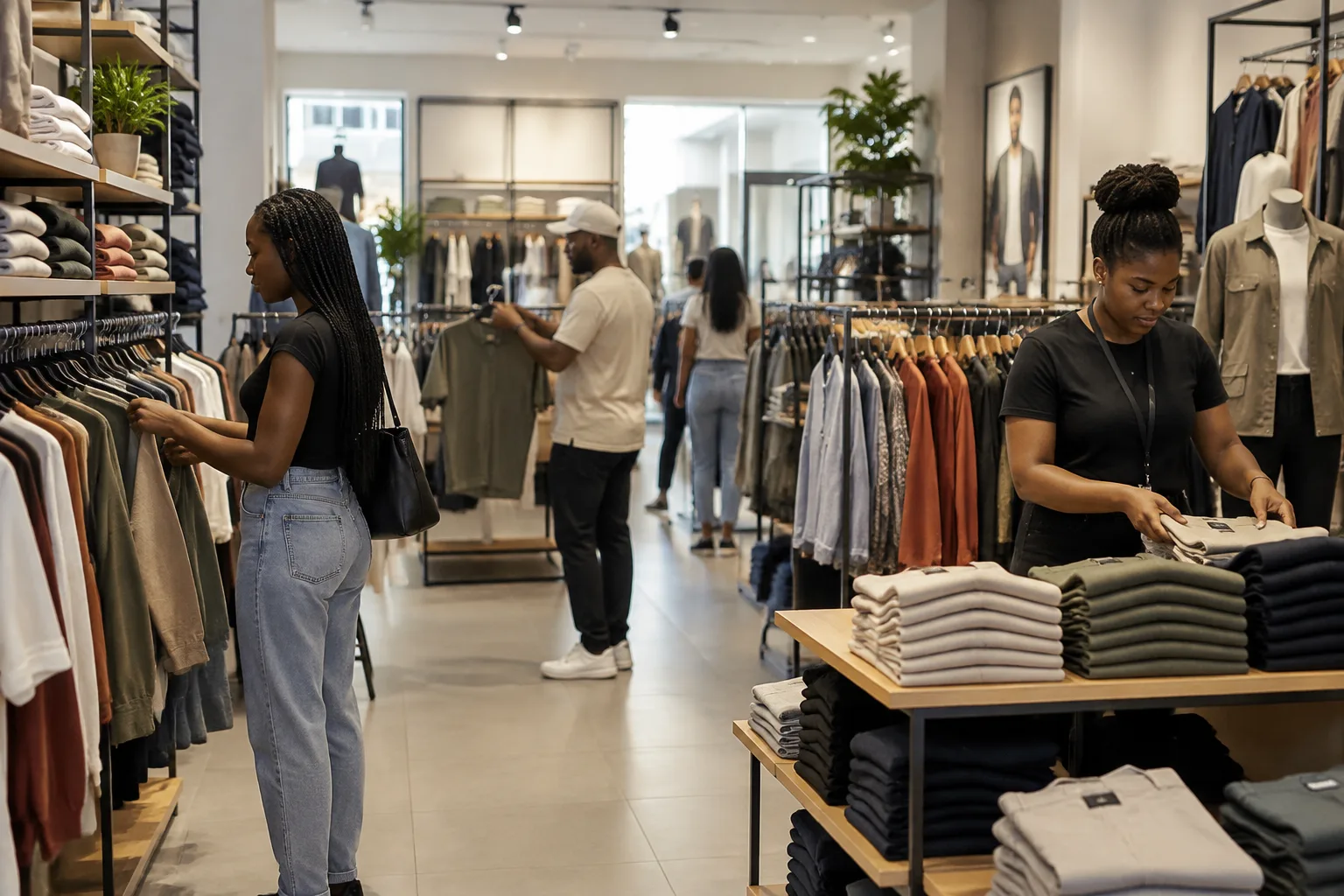
Pick n Pay Clothing has reached 439 stores and plans to modernise another 10 outlets in the second half of its 2027 financial year. The clothing business, which has opened its model to franchisees, reported higher turnover despite a decline in like-for-like sales, while online turnover rose sharply following its addition to the retailer’s on-demand delivery platform.
A larger clothing footprint
According to Daily Investor’s report on 28 October, Pick n Pay Clothing’s store network grew from 150 outlets in 2016 to 437 in 2026, before reaching 439 in the first half of the retailer’s 2027 financial year.
The business began in 2002 with its first stand-alone store at Menlyn Mall in Pretoria. Its subsequent expansion, and the inclusion of franchisees in the model, make the clothing operation relevant to South Africa’s franchise community beyond Pick n Pay’s better-known grocery business.
The reported footprint is a total for the clothing operation, however, rather than a count of franchised outlets. It should not be read as evidence that all 439 stores are franchise-owned or that the latest additions were franchise openings.
That distinction matters for prospective owners. A growing retail network provides context for a brand’s development, but the overall store count does not establish how many opportunities are available to franchise applicants or which locations are being offered.
Turnover grows, but comparable sales soften
Pick n Pay Clothing recorded turnover growth of 3.9% in the first half of the 2027 financial year. Like-for-like sales, by contrast, declined by 0.7%.
Those figures provide two different views of trading. Total turnover measures the clothing business across its footprint, while like-for-like sales offer a comparison of comparable stores. The increase in overall turnover therefore should not be treated as evidence that established outlets experienced the same growth.
The retailer also reported a two-year revenue compound annual growth rate of 7.9% for the clothing division. This gives a longer view of its performance, alongside the more subdued comparable-sales result in the latest half-year.
For franchise owners assessing the brand, the useful point is to consider these measures together rather than select a single growth figure. The reported results describe the clothing operation as a whole; they do not establish the sales, costs or profitability of any individual franchised store.
A potential investment would still require an assessment of the specific outlet and its trading position. Network growth and division-wide turnover are starting points for that assessment, not substitutes for store-level financial information.
On-demand delivery adds another sales channel
Pick n Pay Clothing joined the retailer’s asap! platform in March 2026, making its apparel offering available through the online, on-demand delivery service.
Online turnover in the clothing business subsequently increased by 137% year on year. The retailer attributed much of that growth to the platform integration.
The increase adds a digital dimension to a business whose physical network has expanded substantially over the past decade. It also presents a different performance picture from the slight decline in like-for-like store sales.
The online growth rate should nevertheless be read within its scope: it measures online turnover, not the entire clothing business. It does not establish how much of an individual franchisee’s revenue comes from delivery orders.
For an applicant considering a clothing franchise, that makes the treatment of online orders a useful due-diligence question. Understanding whether and how an outlet participates in digital sales is more informative than assuming the headline growth rate applies equally across the network.
Modernisation remains on the agenda
Alongside the 439-store footprint, Pick n Pay plans to modernise 10 more clothing stores in the second half of its 2027 financial year. The programme places investment in existing outlets alongside the development of its online offering.
For South Africa’s franchise community, the combined picture is one of a larger clothing business with rising total turnover, rapid online growth and softer comparable-store sales. Each measure tells a different part of the story.
Practical takeaway: Before assessing a Pick n Pay Clothing opportunity, request current store-level trading figures and clarify online-order arrangements and any modernisation obligations. Group growth figures alone cannot establish an outlet’s investment case.
Sources
- Famous Brands lifts dividend as free cash flow doubles
- How franchise investment works in South Africa: Costs ...
- Rassie Erasmus names six uncapped players for South ...
- End of tipping car guards in South Africa as you know it
- Pick n Pay's big plan: It is going after Mr Price, Pepkor, TFG, and Truworths in South Africa