Singapore Franchising: Set Reliable Supply Standards
Build a supply system that protects quality, makes purchasing costs clear and keeps Singapore franchisees trading when deliveries fail.
Published
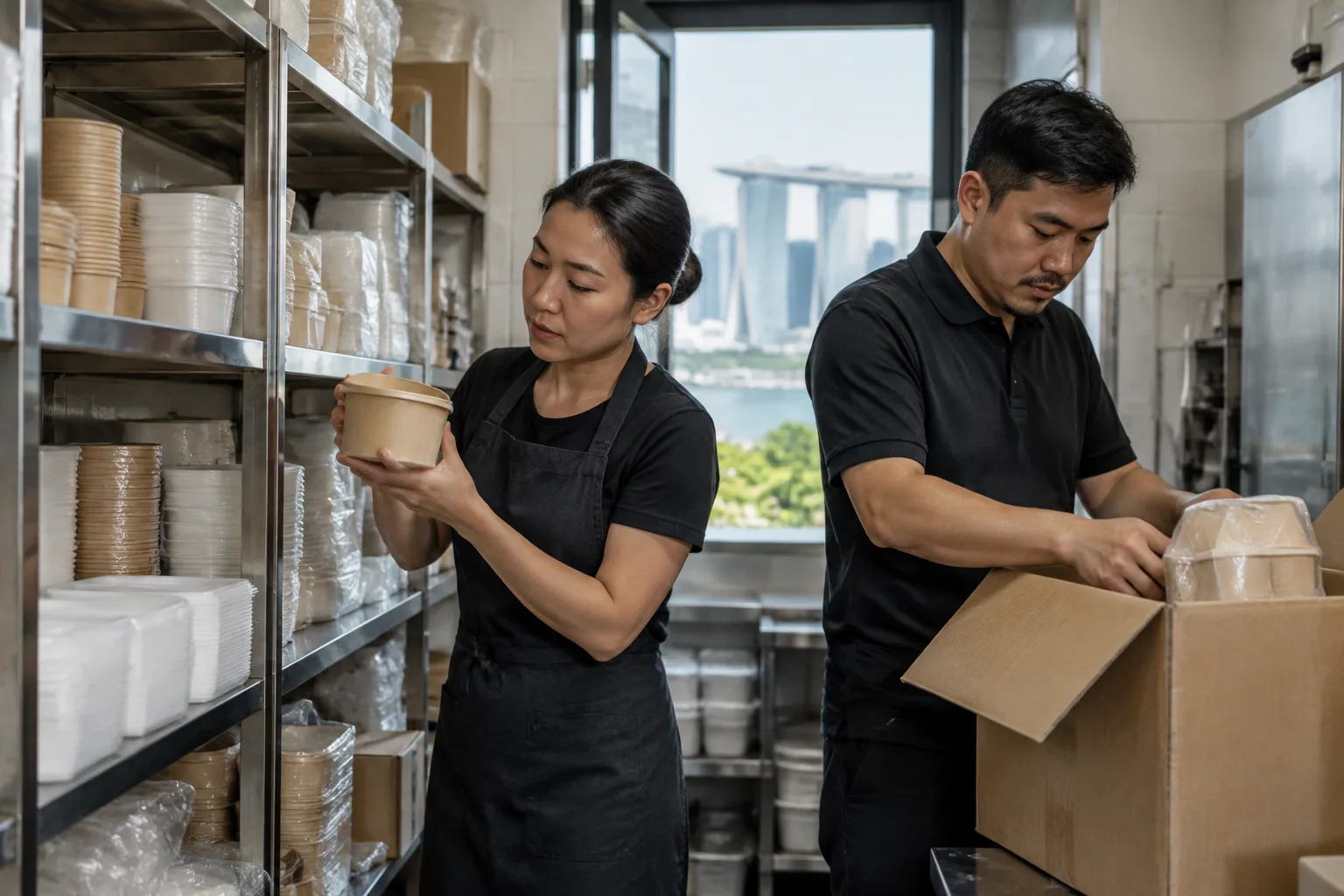
An existing business may run smoothly because its owner personally negotiates deliveries, checks materials and finds replacements when stock runs short. Those habits do not automatically transfer to franchisees. Before expanding your franchise community in Singapore, build a supply system that defines what outlets must buy, how suppliers earn approval and what happens when normal deliveries stop.
1. Separate essential specifications from supplier preferences
Start with the products, ingredients, packaging, equipment and consumables your business needs. For each item, ask whether consistency depends on a particular supplier or on a measurable specification that several suppliers could meet.
A proprietary sauce might need central production. Cleaning materials might instead be purchased locally, provided they meet defined safety and performance requirements. Requiring every item to come from one source can create unnecessary cost and fragility.
Create a purchasing schedule with three categories:
- Mandatory source: items that must come from the franchisor or a named supplier, with a recorded quality or operational reason.
- Approved alternatives: items available from several suppliers that have passed the same checks.
- Local discretion: low-risk items franchisees may buy independently within stated specifications.
Describe requirements objectively. Depending on the business, these might include dimensions, ingredient composition, shelf life, equipment compatibility, warranty support or storage conditions. Avoid vague instructions such as “premium quality”.
Then check whether the proposed supply model works for one independently operated outlet. A minimum order that suits your flagship premises may leave a smaller franchisee holding excess stock or tying up working capital.
2. Test suppliers against franchise operating conditions
An established relationship with your own outlet is not proof that a supplier can serve a growing franchise community. Ask about delivery coverage, capacity, lead times, minimum orders, payment terms and the handling of rejected goods.
Run a purchasing trial through an existing outlet using the conditions a franchisee would face. Place ordinary orders through the agreed channel rather than relying on the founder’s personal contacts. Record late deliveries, substitutions, damaged goods, invoice discrepancies and the time needed to resolve them.
Assess the full purchasing cost, not just the quoted unit price. Include delivery charges, storage needs, wastage, maintenance and any compulsory consumables. Where the franchisor receives a rebate or earns a margin on supplies, explain the arrangement clearly rather than suggesting procurement is provided at cost.
Give supplier approval an owner and a review process. A useful approval record includes:
- The specification tested and evidence reviewed.
- Required licences or certifications, where applicable.
- Agreed delivery and complaint-handling arrangements.
- Reasons for approval, restrictions and review triggers.
Permit franchisees to propose alternatives through a documented route. Explain what samples, technical information or trial results they must provide, who decides and how any assessment costs are allocated. This keeps quality control from becoming an unexplained purchasing restriction.
3. Put purchasing obligations on a sound legal footing
Singapore has no dedicated franchise statute, franchise registration system or statutory franchise-specific pre-contractual disclosure regime. General contract law governs purchasing obligations agreed between franchisor and franchisee. The Franchising and Licensing Association of Singapore’s Code of Ethics applies to its members; it is not a national franchise law.
Your franchise agreement should establish the purchasing rules, the process for approving alternatives and the limits of your power to change requirements. Supporting schedules can hold operational specifications, but should not be used to introduce substantial new commercial obligations without an appropriate contractual basis.
General laws still matter. The Unfair Contract Terms Act 1977 can restrict certain exclusions or limitations of liability. Misrepresentation principles and the Misrepresentation Act 1967 may be relevant to inaccurate statements about supply costs, availability or savings. Product-specific licensing and safety requirements also apply where relevant.
Obtain tailored advice under the Competition Act 2004 for exclusive purchasing or other restrictive arrangements. Singapore generally excludes vertical agreements from the section 34 prohibition, so mandatory sourcing is not automatically unlawful. Other competition provisions and the arrangement’s actual structure may still require assessment.
Define responsibility for defective goods, supplier failure, replacement costs and claims. Do not promise uninterrupted supply unless your contracts and operational capacity genuinely support that promise.
4. Prepare a controlled response to supply failure
Write a contingency plan for critical items before recruitment begins. Identify approved backup sources, substitution limits and the person authorised to approve emergency purchases. Where no safe substitute exists, specify when the affected product or service must be withdrawn temporarily.
For example, a café franchisee facing a packaging shortage should know whether an alternative container is already approved, whether customer information needs updating and how to record its use. Staff should not have to improvise suitability checks during a busy service.
Test the plan by simulating a missed delivery. Check who receives the alert, how outlets learn about approved alternatives and whether replacement stock can actually arrive in time. Review failures with suppliers and franchisees, then update the arrangements.
Practical takeaway: Before offering your first franchise, produce a purchasing schedule, test normal orders and rehearse one critical supply failure. Reliable supply standards protect both customer experience and franchisee confidence.
Sources
- Operating a franchise in Singapore
- What is a franchise? How it works, costs, and risks
- Franchising & Licensing Association of Singapore (FLA ...
- Singapore: Franchise Services
- franchising schemes in singapore — legal aspects
- Insights on Franchising: a Singapore Perspective
- Ella Cheong LLC (Reg No: 201220606Z)
- Key franchise laws in Singapore