Singapore Franchising: Plan Mandatory System Upgrades
Set fair rules for franchise system upgrades before you expand, covering costs, testing, notice periods and contractual authority.
Published
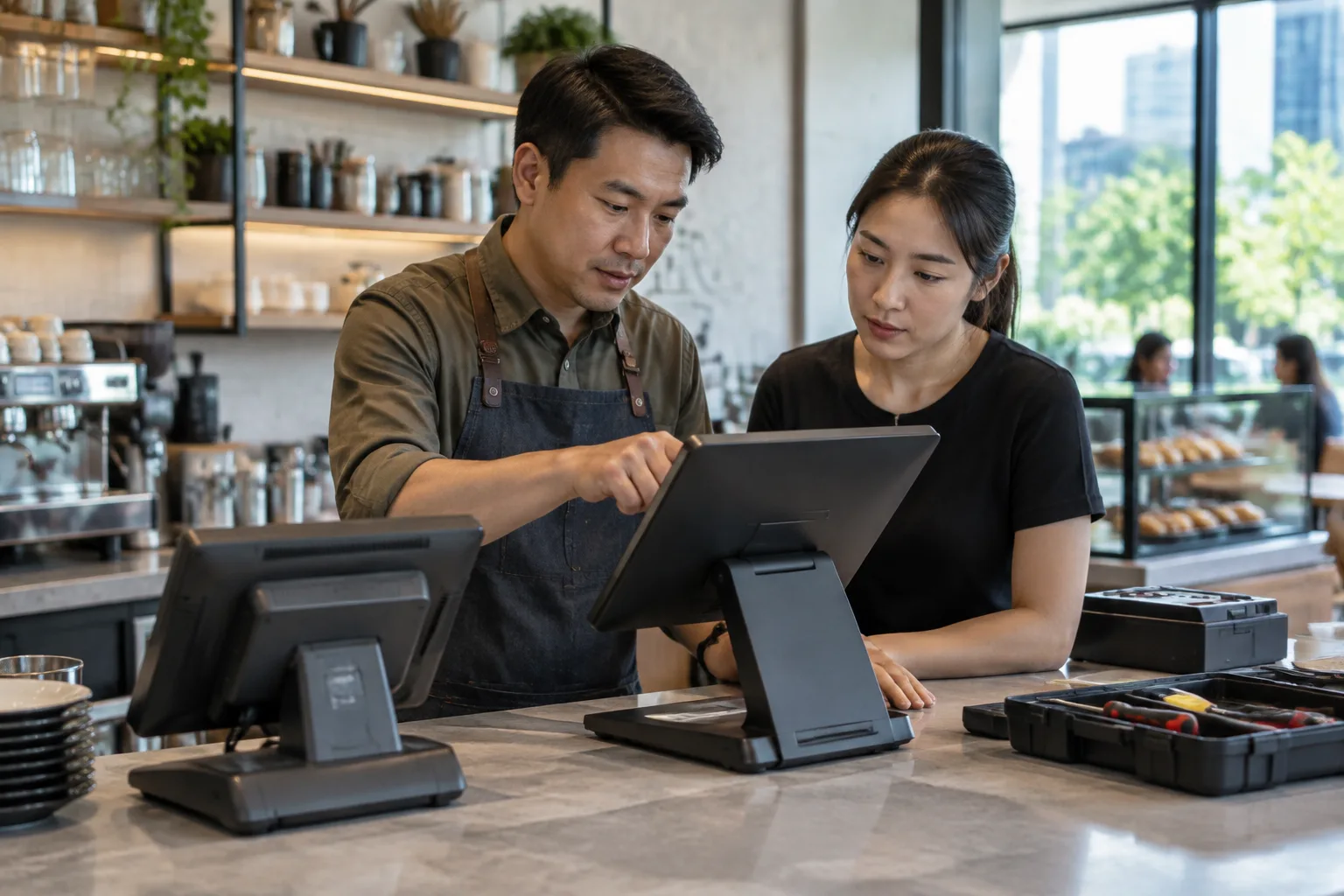
A successful business will keep changing after it becomes a franchise: equipment ages, software evolves and customer expectations shift. For an existing Singapore business preparing to franchise, the challenge is deciding how future changes will reach independently owned outlets. A clear upgrade policy helps protect consistency without exposing franchisees to unpredictable bills. Build it before granting your first franchise, rather than improvising when a major replacement becomes necessary.
1. Separate essential changes from optional improvements
Start by listing the changes your existing outlets have made recently. These might include replacing payment terminals, introducing new equipment, changing packaging or refreshing interiors. Identify what triggered each change, who paid and how much disruption it caused.
Use that experience to create three categories:
- Urgent compliance or safety changes: action needed to meet an applicable legal requirement or address a verified safety risk.
- Mandatory system upgrades: changes required to maintain the agreed customer experience or keep essential systems working.
- Optional improvements: enhancements that franchisees may adopt without compromising core standards if they decline.
Define the boundaries carefully. A preferred interior colour scheme should not become an emergency simply because the founder wants a faster refresh. Equally, genuinely urgent safety action should not be delayed by the approval process used for decorative changes.
For each category, identify the decision-maker, evidence required, consultation process and expected implementation route. This gives the franchising community a predictable way to distinguish necessary investment from discretionary spending.
2. Establish contractual authority under Singapore law
Singapore has no dedicated franchise statute, franchise registration system or statutory franchise-specific pre-contract disclosure requirement. There is also no mandatory statutory franchising code. The Franchising and Licensing Association of Singapore’s Code of Ethics is an association framework, not a substitute for legislation.
General contract law governs the parties’ obligations. The Misrepresentation Act 1967 can be relevant to inaccurate statements made before signing, while the Unfair Contract Terms Act 1977 may apply to certain exclusion or limitation clauses. The Trade Marks Act 1998 governs registered trade mark protection and licensing; the Competition Act 2004 may also affect arrangements, depending on their structure and effect. Operational changes must meet any applicable business-specific requirements.
Ask a Singapore-qualified lawyer to make the franchise agreement explicit about mandatory upgrades. It should address:
- Which aspects of the system the franchisor may change.
- Whether changes can require capital expenditure or recurring payments.
- How notice, consultation and implementation deadlines work.
- Who bears installation, training, downtime and replacement costs.
- How exceptions and implementation difficulties will be handled.
Do not assume that permission to update an operations manual automatically authorises every new financial obligation. The manual can explain implementation, but it should operate within the agreement’s contractual authority.
Describe foreseeable upgrade obligations during recruitment. Avoid promising that the opening investment is the franchisee’s final significant expenditure if later refurbishment or technology replacement is expected.
3. Test the full cost before making an upgrade compulsory
Use a company-operated outlet to test substantial changes before requiring franchisees to adopt them. This is a focused test of the proposed upgrade, not simply a demonstration that the business can trade successfully.
Record the existing position first: task completion times, equipment reliability, staff workload and relevant customer feedback. Then measure what changes after installation. Include teething problems rather than reporting only the best trading days.
Build a complete cost schedule covering purchase or subscription charges, delivery, installation, staff training, maintenance and disposal. Check whether existing equipment becomes redundant and whether linked systems need replacing too. A cheaper device can still create a more expensive operating model.
Assess differences between outlets. A compact kiosk may gain little from equipment designed for a larger shop. A franchisee approaching the end of its agreement may have less time to recover an investment than a newly opened outlet.
Document the evidence and limitations in a short decision paper. Where benefits remain uncertain, consider an optional trial, a phased rollout or a franchisor contribution instead of an immediate universal requirement. Do not present estimated savings as guaranteed results.
4. Give franchisees a workable implementation route
Issue an upgrade notice that explains the reason for the change, its contractual basis, the required outcome, anticipated costs and the implementation date. Attach practical instructions and identify who will answer technical and commercial questions.
Allow time for ordering, financing, landlord permissions where relevant, installation and staff familiarisation. If an external legal deadline determines the timetable, identify it accurately rather than describing an internal target as a legal requirement.
Create a written exception process. Temporary deferrals should have reasons, conditions and review dates, particularly where an outlet has recently purchased compliant equipment. Keep urgent safety matters on a separate escalation route.
Track completion and review actual costs after rollout. Use the findings to improve future decisions, not merely to record compliance.
Practical takeaway: Before recruiting franchisees, agree an upgrade policy with your legal adviser, test one realistic change in your own outlet and prepare a sample implementation notice. Future investment should be governed by evidence and clear commitments, not surprise demands.
Sources
- Operating a franchise in Singapore
- Franchising & Licensing Association of Singapore (FLA ...
- What is a franchise? How it works, costs, and risks
- Can You Franchise Your Business? A Complete Guide for ...
- Singapore: Franchise Services
- Insights on Franchising: a Singapore Perspective
- Ella Cheong LLC (Reg No: 201220606Z)
- franchising schemes in singapore — legal aspects