Singapore Franchise Readiness: Test Disruption Recovery
Test how your franchise model handles power cuts, equipment failures and system outages before asking franchisees to invest.
Published
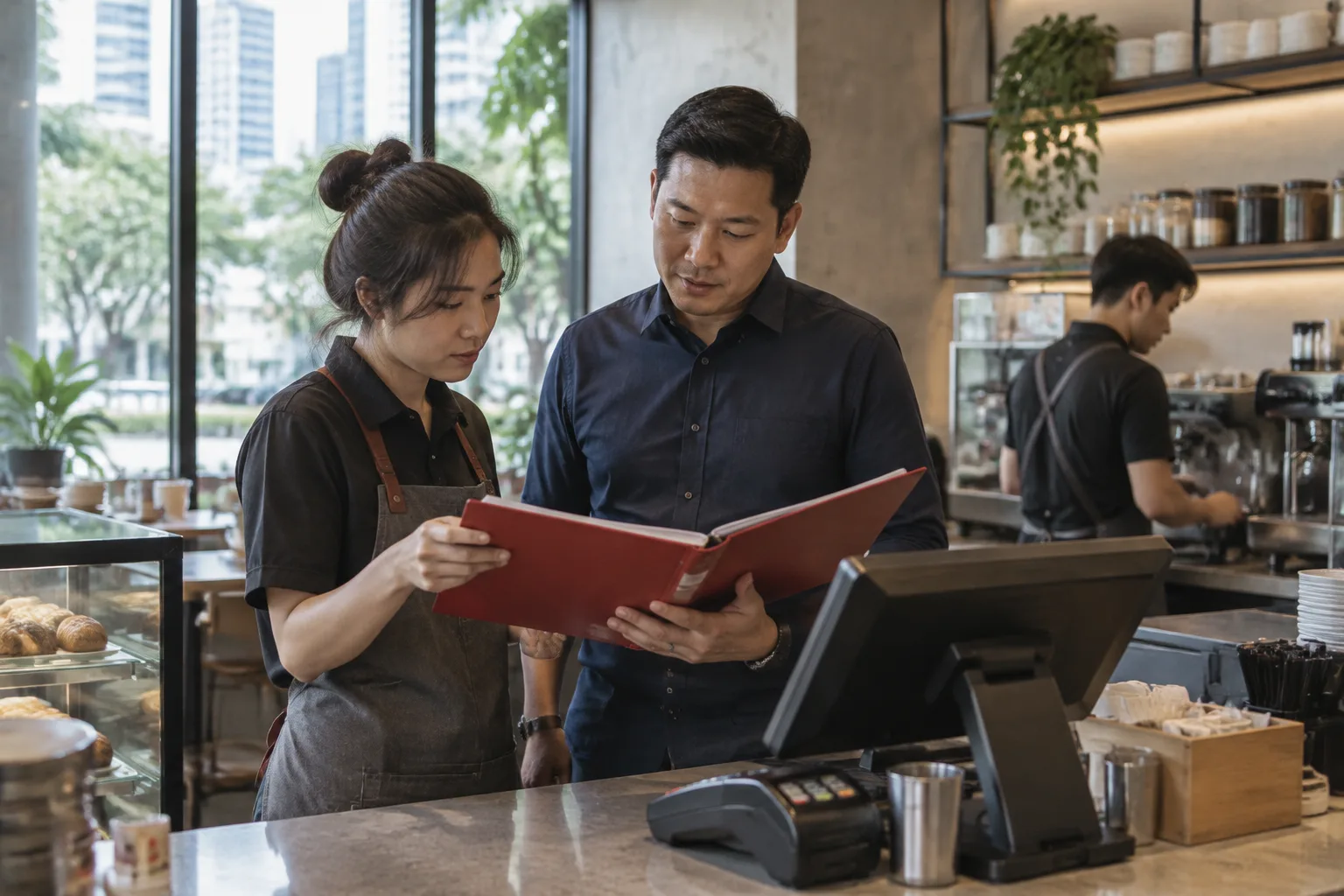
A business that runs smoothly on an ordinary day is not necessarily ready to franchise. A failed payment terminal, broken refrigeration unit or inaccessible booking system can expose decisions that only the founder knows how to make. Before franchising your Singapore business, use your pilot outlet to test a repeatable disruption-recovery plan that protects customers and gives franchisees clear authority to act.
1. Identify failures that could stop safe trading
Start with the essential activities your outlet must perform, rather than a long list of hypothetical disasters. What must work for staff to serve customers safely, accept payment and fulfil existing commitments?
Walk through a trading day with your outlet manager. Identify dependencies such as electricity, water, payment processing, booking software, specialist equipment and access to the premises. For each dependency, record:
- What would alert staff to a failure.
- Which services could continue safely.
- Which activities must stop immediately.
- Who can approve a temporary workaround.
- What evidence is needed before normal trading resumes.
Distinguish inconvenience from a safety-critical incident. A receipt printer failure may have an approved alternative; loss of temperature control may require affected stock to be isolated and assessed. Do not let commercial pressure turn an untested workaround into standard practice.
Prioritise failures that are plausible for your business and would cause serious harm or prolonged interruption. Your first plan should be usable, not encyclopaedic.
2. Test recovery in the pilot outlet
A written instruction is only a starting point. Run controlled exercises in your existing operation before making the procedure part of your franchise offer.
Choose a scenario, such as the booking platform becoming unavailable during a busy period. Give the manager the proposed procedure and ask them to demonstrate the response. Avoid creating actual hazards, disabling safety systems or unnecessarily interrupting customers; a tabletop exercise may be the right first test.
Observe whether the team can answer practical questions without improvising:
- Where is the current emergency contact list?
- Can staff access instructions if the usual system is unavailable?
- Who tells waiting customers what is happening?
- How are outstanding orders or appointments tracked?
- Who authorises repairs, and within what spending limit?
- How will temporary records be reconciled afterwards?
Record the time taken to recognise the problem, reach the responsible person and establish a safe alternative. Treat these as observations from your pilot, not promises of future recovery times.
Repeat the exercise with a different shift. If success depends on one experienced employee's memory, the procedure is not yet transferable across your franchise community.
3. Put authority and costs in the right documents
The operations manual should explain the response: stop-work triggers, contact routes, approved alternatives, incident records and reopening checks. Keep essential instructions accessible through an authorised offline method where appropriate, without exposing confidential or personal information.
The franchise agreement should address the underlying responsibilities. Ask your lawyer to clarify who controls temporary closure decisions, who arranges emergency assistance and who pays for repairs or replacement equipment. Establish whether emergency expenditure needs prior approval and what happens when the usual approver cannot be reached.
Do not assume that a reference to “head-office support” means the franchisor must fund every incident. Equally, do not leave franchisees responsible for restoring a centrally controlled system they cannot access.
Singapore has no franchise-specific legislation, mandatory franchise disclosure document requirement or franchise registration system. General contract law governs the parties' agreed obligations. The Unfair Contract Terms Act may affect certain exclusion or limitation clauses, while the Personal Data Protection Act applies where disruption procedures involve personal data. Applicable safety and business-licensing requirements continue during an interruption.
A disruption does not automatically excuse contractual performance. Have a Singapore-qualified lawyer review any force majeure wording and its notice requirements rather than assuming that every outage is covered.
4. Require evidence before reopening
Recovery is not simply switching equipment back on. Define checks that confirm the outlet can safely deliver its normal service and account for transactions made during the interruption.
Depending on the incident, those checks could include a technician's confirmation, equipment readings, reconciliation of temporary sales records or verification that bookings have not been duplicated. Name the person authorised to approve reopening and retain a brief decision record.
After each exercise or real incident, review what failed, what worked and which instructions need changing. Assign an owner to each improvement and retest important changes. Share relevant lessons without circulating unnecessary customer or employee information.
Practical takeaway: Before recruiting franchisees, test one serious operational disruption from first warning to verified recovery. Your model is more transferable when an outlet manager can follow clear instructions, make authorised decisions and resume safe trading without relying on the founder's improvisation.
Sources
- What is a franchise? How it works, costs, and risks
- How to Franchise Your Business in Singapore
- Insights on Franchising: a Singapore Perspective
- Singapore - Distribution and Sales Channels
- Operating a franchise in Singapore
- A Guide To Expanding Your Business Through Franchising
- Franchise Business: 10 Factors Before Taking the Plunge
- franchising schemes in singapore — legal aspects