
Miss Universe Singapore 2026 continues amid franchise dispute
Singapore’s search for its Miss Universe 2026 representative continues despite conflicting claims over franchise rights and eligibility.
Published
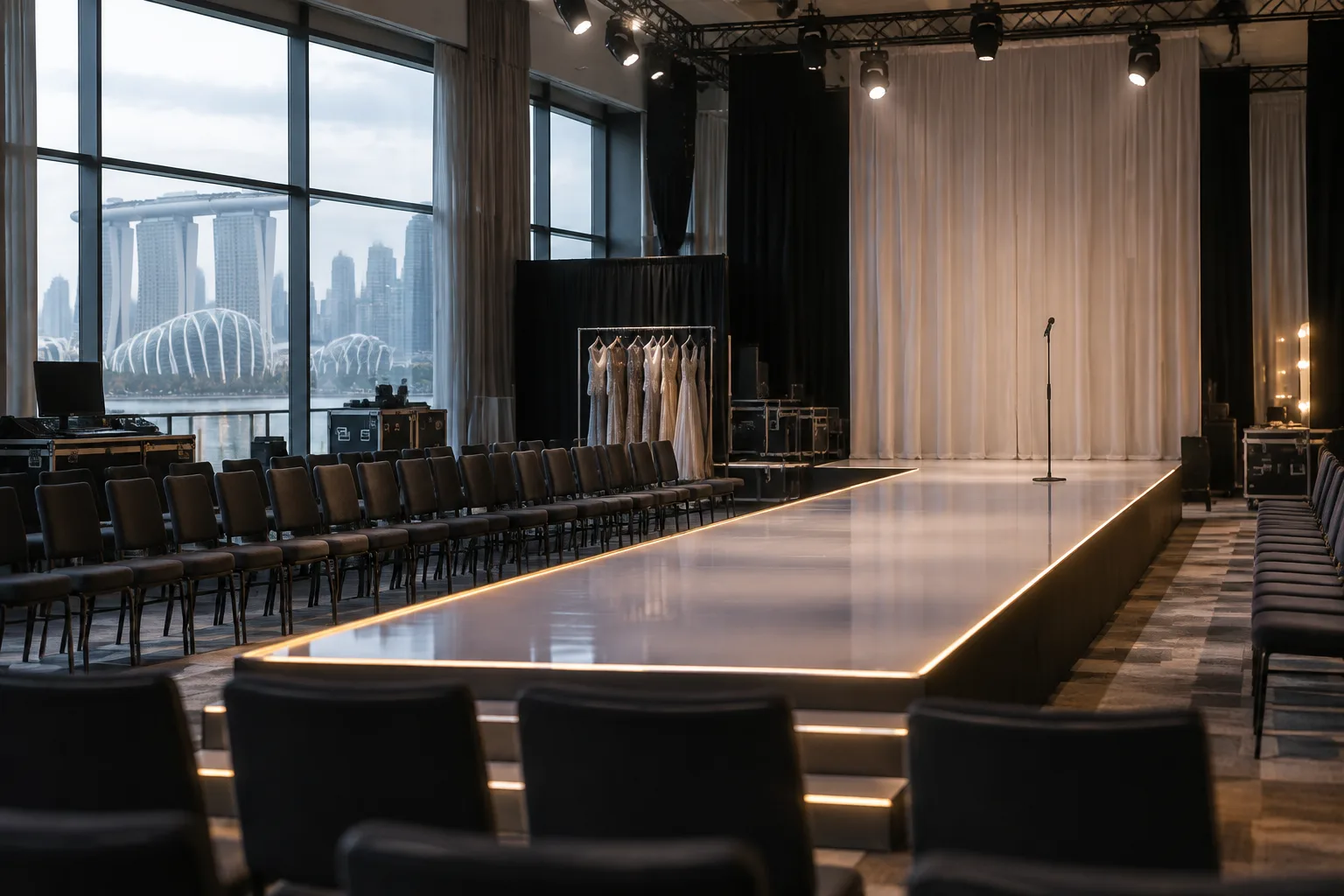
Miss Universe Singapore is continuing its search for a 2026 representative despite a dispute over franchise rights that has cast uncertainty over participation in the international competition. National director Sean Wong remains confident that Singapore’s delegate will compete in Puerto Rico on 24 November, but the organisations involved have set out opposing positions on the validity of the arrangements.
Six countries caught in licensing disagreement
The disagreement became public on 18 September, when JKN Universe said it did not recognise franchise agreements covering Singapore, Thailand, Indonesia, Vietnam, Laos and Malaysia. JKN Universe holds the legal rights and licensing to the Miss Universe brand and operates as the Miss Universe Organization, according to The Straits Times’ report published on 22 September.
JKN Universe’s position is that delegates selected under the disputed arrangements would not be eligible for the 75th Miss Universe pageant in Puerto Rico. It says Miss Universe Eastern, also known as MU East, did not have authority to grant, transfer or issue licences for the brand.
As reported by MustShareNews on 22 September, JKN Universe also considers sponsorship agreements, franchise contracts and national licences issued by Miss Universe Eastern to be invalid and legally non-binding. These are JKN Universe’s stated positions in the dispute, rather than a reported court determination.
For Singapore, the immediate question is therefore whether the national competition’s eventual winner will be recognised for entry to the global event. The continuation of the local selection process does not, by itself, settle that question.
Miss Universe Eastern challenges the notice
Miss Universe Eastern disputes JKN Universe’s position and maintains that the six countries’ franchises remain valid. It says its territorial and contractual rights give it authority to appoint and manage franchise partners in the affected countries.
At a press conference in Bangkok on 18 September, Thai pageant director Nawat Itsaragrisil, chief executive of Miss Universe Eastern, maintained that the exclusion notice had no legal effect. According to The Straits Times, he argued that a decision of that significance required approval through JKN Universe’s governance structure and could not be imposed unilaterally.
The newspaper also reported that Mr Nawat holds a 50 per cent stake in the global brand and that Miss Universe Eastern owns the franchise rights for the six South-east Asian nations. The authority to act on those rights is precisely what the parties are contesting.
The distinction matters: this is not simply a disagreement over the conduct of a national pageant. The competing statements concern who can authorise franchise arrangements and whether delegates selected through them can enter the international competition.
Singapore’s preparations continue
Against that backdrop, Mr Wong has said he remains confident that Singapore’s representative will reach the international stage.
“I don’t see a problem based on the contractual and business structure that governs our operations. Miss Universe Eastern has the authority to assign the rights to us,” he told The Straits Times.
That confidence explains why Miss Universe Singapore is continuing its search, but it should not be confused with confirmation that the dispute has been resolved. Wake Up Singapore reported that, as of 21 September, no publicly announced resolution had settled the eligibility of the six affected countries. The reporting supplied from 22 September likewise describes an ongoing disagreement.
The position remains one of contested eligibility: JKN Universe says the arrangements are invalid, while Miss Universe Eastern maintains they permit participation. Neither the local director’s assurance nor the exclusion statement should be presented without that opposing context.
What the franchise community can take from this
For Singapore’s franchise community, the case highlights the importance of distinguishing a commercial partner’s assurance from agreement across the full licensing structure. The reported disagreement concerns both contractual authority and corporate governance, with consequences for national organisers and prospective representatives.
It does not establish a change to Singapore’s franchise regulation or a general rule about other franchise agreements. Its relevance lies in the questions it raises about the chain of authority behind brand rights.
Practical takeaway: Before committing to a franchise or related sponsorship, check who owns the brand, who may grant the relevant territorial rights and how disputes over that authority will be handled. Where competing claims already exist, seek independent legal advice rather than relying on one party’s assurance.
Sources
- Miss Universe Singapore 2026 continues amid legal dispute
- Is consolidation the new norm in S’pore’s high-churn F&B scene? Inside the latest openings and closures
- S'pore among 6 countries that may be barred from Miss Universe 2026 amid franchise dispute
- Former DBS Manager Joins Bank Of Singapore In Global ...
- QSR Media Asia: The Latest News & Headlines
- Bank of Singapore expands Global South Asia franchise ...
- Singapore Faces Possible Miss Universe 2026 Ban Alongside Five Other Asian Countries - Wake Up Singapore
- Hao Open Foods to open up to 120 BHC Chicken outlets in Vietnam