Domino’s NZ puts franchisee profits at centre of reset
Former store owner Liam Stops is helping 98 New Zealand franchisees improve profitability as Domino’s undertakes a wider reset.
Published
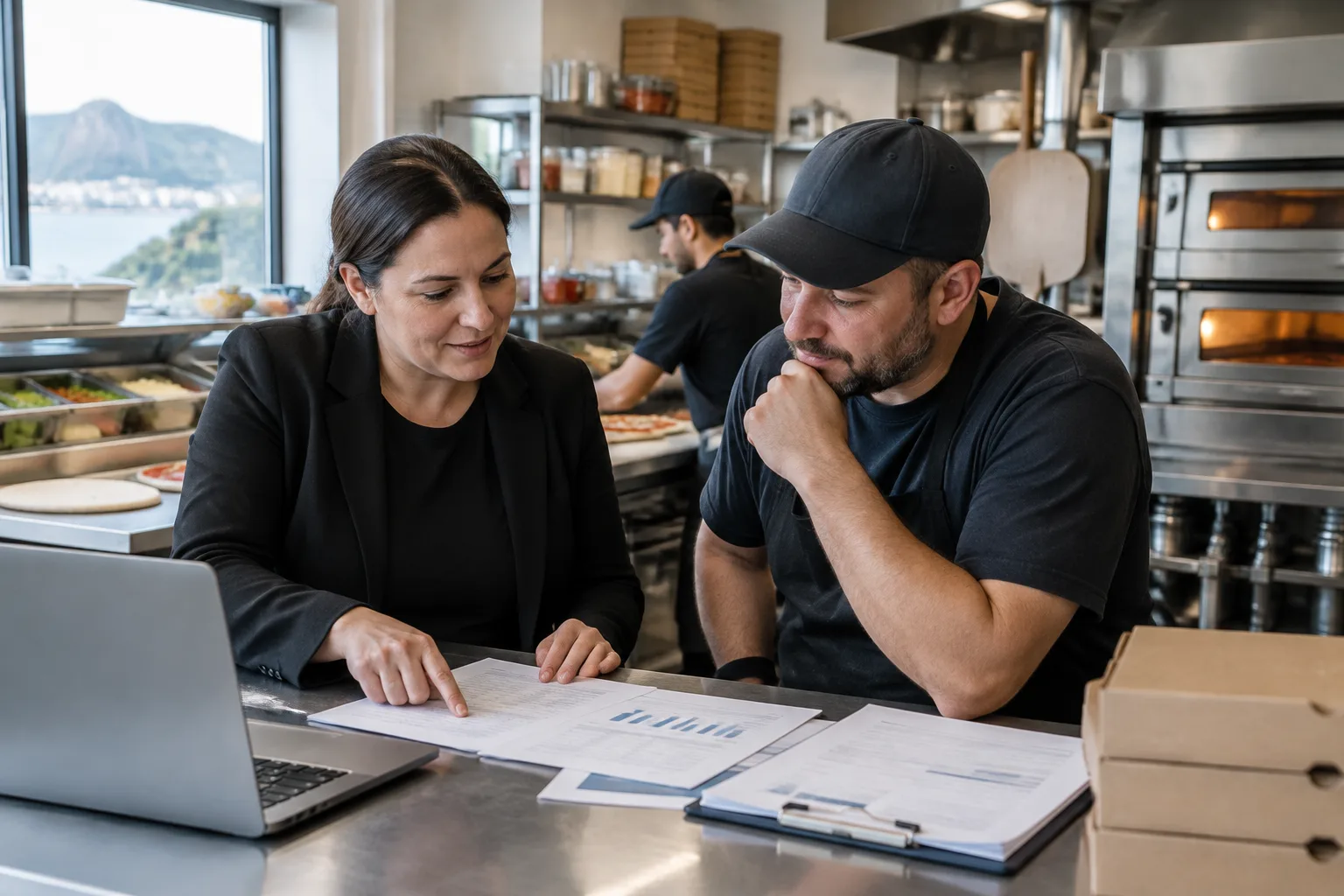
Domino’s New Zealand is putting franchisee profitability at the centre of its turnaround work, with former store owner Liam Stops helping support a network of 98 franchisees operating 149 stores. His move into the market manager role comes as the chain’s Australian parent pursues a reset following a substantial annual loss.
A former franchisee takes on national responsibility
According to the New Zealand Herald’s 26 September report, Stops is working with New Zealand chief executive Abhishek Jain to help store owners build more profitable, sustainable businesses.
The role brings an operator’s perspective to the chain’s national support team. Stops began working as a dishwasher at 12 and became New Zealand’s youngest-ever Domino’s store owner at 18. By 31, he had progressed to a senior role at head office.
His responsibilities now extend across the country’s franchisee network, working with owners to address the challenges facing their businesses. The appointment places someone with direct experience of buying, financing, running and selling stores alongside Jain as the company implements its changed priorities.
For New Zealand’s franchise community, the story is both a career progression example and a look at how a major brand is framing its support for existing owners during a wider business reset.
From a financed first purchase to four stores
Stops’ route into ownership involved a significant financial commitment. In 2013, he and his brother Kaedyn sold their cars, emptied their savings and contributed about $40,000 towards their entry into the business.
They also accepted a $450,000 loan from Domino’s at about 12% interest, the Herald reported. The brothers became the youngest franchisees in Domino’s New Zealand history.
By 2020, they owned four stores between them in Rotorua, Taupō and Whakatāne. They sold their stores two years later, after which Liam moved into a company role and received a series of internal awards.
Those financing details describe the brothers’ historical transaction, not a current entry price or lending offer for prospective Domino’s franchisees. They nevertheless provide important context for Stops’ experience: his path to head office included the financial obligations of store ownership as well as day-to-day operations.
The Herald also reported that Stops is looking out for the next young franchisee, potentially someone who could break his youngest-owner record. That interest in new entrants sits alongside his current responsibility to help established owners improve their businesses.
What the parent company’s reset involves
Domino’s Pizza Enterprises, the Australian parent of the New Zealand chain, holds master franchise rights in 12 countries, including Japan and Germany.
Its August annual report recorded a $134.2 million loss for the past financial year after one-off write-downs, according to the Herald. That is a parent-company result, rather than a reported loss for the New Zealand operation alone.
The company’s global leadership announced a reset strategy in August. Planned closures include 29 underperforming stores across Australia and New Zealand, within a wider programme of up to 60 closures worldwide.
The supplied report does not identify how many of those 29 stores are in New Zealand or name any affected local outlets. The combined figure should therefore not be read as a New Zealand closure total.
Australia and New Zealand were described in the annual report as being “at the forefront” of the reset, with a shift from “growth-at-any-cost to prioritising long-term franchisee profitability”. Stops and Jain’s work with local owners forms part of that emphasis on sustainable store businesses.
What owners and buyers should watch
The key distinction is between the strategy announced and the results still to be demonstrated. The reported focus is on improving franchisee profitability; the supplied coverage does not provide a New Zealand store-profit target, a timetable for recovery or evidence that the turnaround is complete.
For existing owners, the practical question is how that national priority translates into support for their individual stores. For prospective buyers, Stops’ progression offers useful background, but his historical purchase terms cannot establish the costs or likely returns of a franchise today.
Practical takeaway: Ask for current, store-specific financial evidence and a clear explanation of operational support. Assess the parent company’s reset separately from the performance and obligations of the particular franchise being considered.