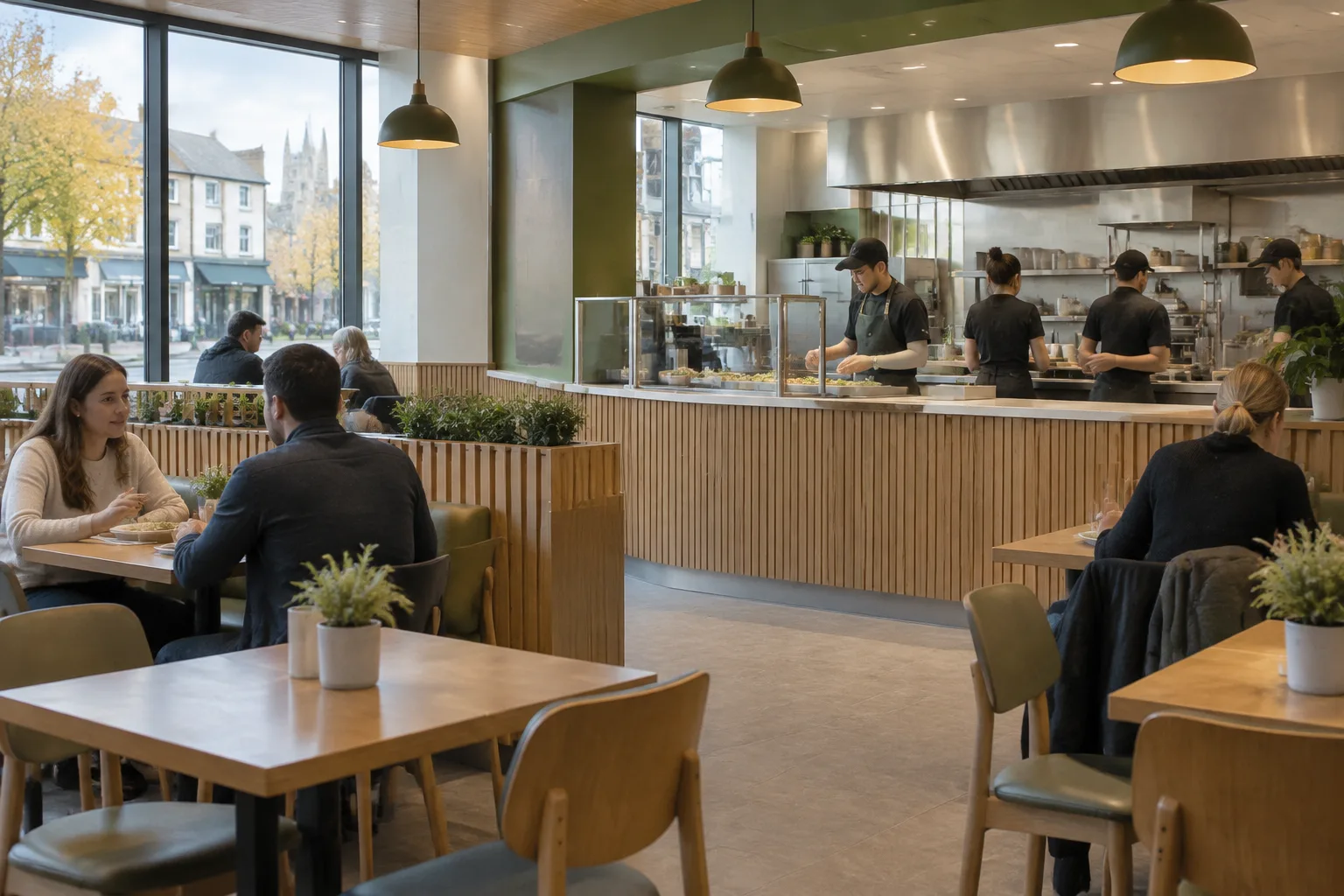
McDonald’s plans €150m investment in 25 Irish restaurants
McDonald’s plans around 25 new Irish restaurants over five years, with approximately 1,750 jobs expected across the expansion.
Published
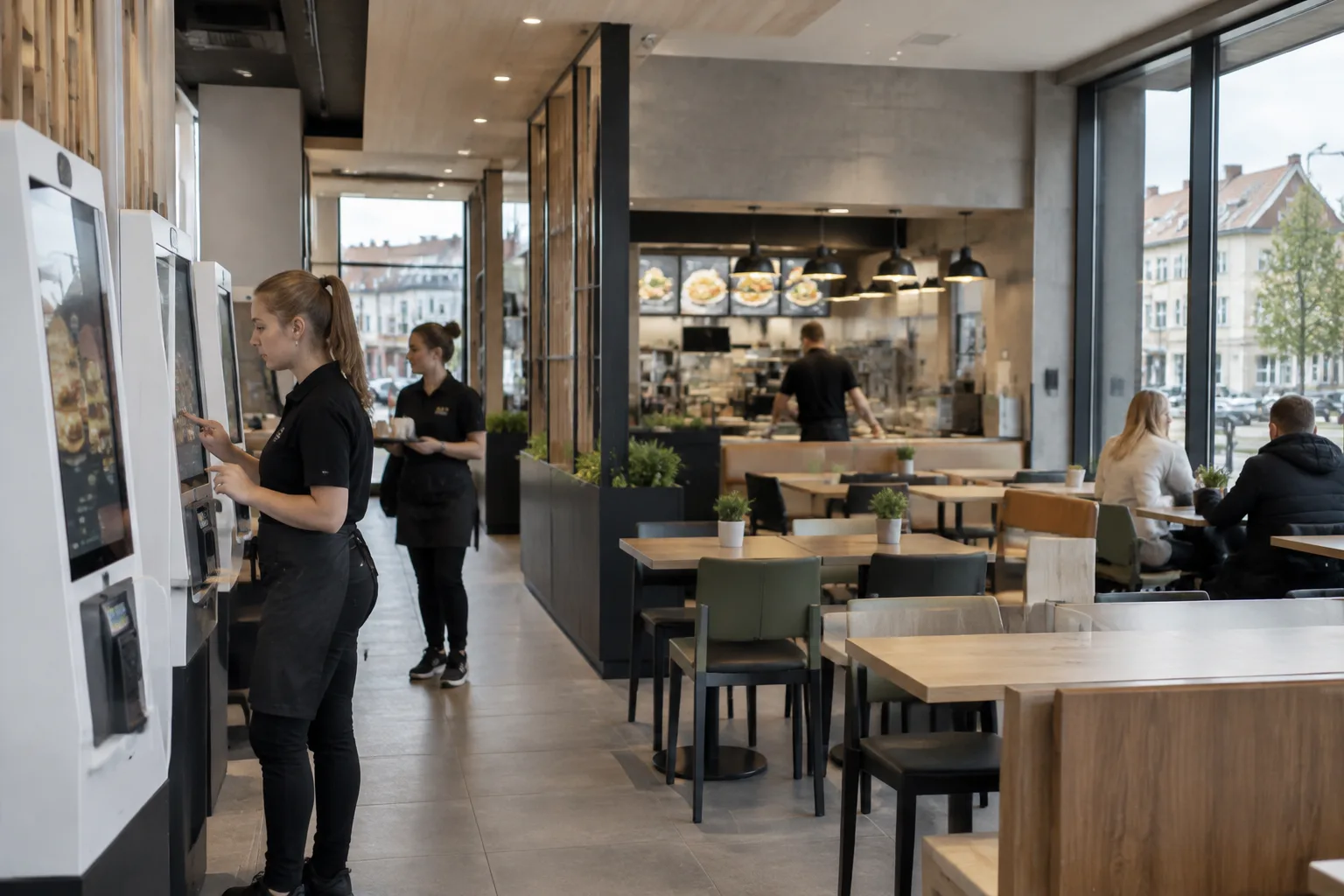
McDonald’s has outlined plans to invest more than €150 million in Ireland over five years, supporting around 25 new restaurants and approximately 1,750 jobs. The programme sets out a significant expansion for a business whose existing Irish restaurants are independently owned and operated by local franchisees.
A five-year programme ahead of a milestone anniversary
The plans were detailed in a report dated 5 March 2026 by TheLiberal.ie, citing RTÉ. They come as McDonald’s prepares to mark its 50th anniversary in Ireland in 2027.
The announced programme envisages up to five new restaurants each year, reaching around 25 over the five-year period. Those figures describe the planned rollout, rather than restaurants that have already opened or jobs that have already been created.
Mike Spencer, Vice President of Development at McDonald’s UK & Ireland, said: “The outlook for McDonald’s in Ireland is very positive, and we have a clear plan to invest more than €150 million here over the next five years.”
He added: “That investment will support the opening of up to five new restaurants each year – around 25 in total – and the creation of approximately 1,750 new jobs across the country.”
The report identified the opening of a restaurant in New Ross the previous month as the start of the growth programme. That gives the national plan an initial local reference point, while the broader announcement establishes the intended pace of expansion.
Growth within a locally operated franchise network
At the time of the report, McDonald’s operated 96 restaurants across Ireland. All were independently owned and run by 18 Irish franchisees, collectively employing more than 7,000 people.
That ownership structure is central to the announcement’s relevance for Ireland’s franchise community. The expansion concerns a brand with an established network of local operators, rather than a business introducing franchising to Ireland for the first time.
The planned restaurant total and projected employment should nevertheless be kept separate from those existing-network figures. The 96 restaurants and more than 7,000 employees describe the reported business at that point; the approximately 25 restaurants and 1,750 jobs describe the five-year ambition.
For prospective operators, a national development announcement is also different from an offer of an individual franchise. The figures establish the scale of McDonald’s plans, but should not be treated as a list of available territories or a commitment that particular locations will become recruitment opportunities.
Existing restaurants are receiving investment too
New openings are not the only form of investment described in the report. McDonald’s is also upgrading existing restaurants, with the Cork Douglas branch cited as an example.
That restaurant reopened in late 2025 following a €3 million refurbishment overseen by local franchisee Jim Ronayne. It illustrates a separate part of the business’s development: reinvestment in an established restaurant alongside the programme to add new locations.
The distinction matters when reading headline investment figures. A refurbishment changes an existing operation; a new opening expands the restaurant network. Both are relevant to franchise development, but they should not be counted as the same type of growth.
The Douglas project also provides a named example of the local franchisee involvement behind the wider brand. The national announcement sets the direction, while individual restaurant projects show where investment is taking place.
Irish suppliers form part of the wider picture
The report put McDonald’s annual spending through its Irish supply chain at more than €240 million, supporting producers and partners nationwide. It also reported an annual contribution of more than €414 million to the Irish economy.
Those annual figures provide context for the business’s existing footprint. They are distinct from the five-year restaurant investment commitment and should not be added to it as though they represent a single spending programme.
For Ireland’s franchise community, the main development is the combination of a defined opening target, projected employment growth and continued investment in existing premises.
Practical takeaway: Track confirmed locations and opening announcements separately from the national target. Anyone considering a franchise opportunity should verify recruitment availability directly rather than assuming that planned restaurant growth means franchises are being offered.