How to Pilot-Test Your Business Before Franchising in India
Use a pilot unit to check whether your business can operate without the owner’s daily presence. A practical framework for testing, assessing costs and deciding whether to expand.
Published
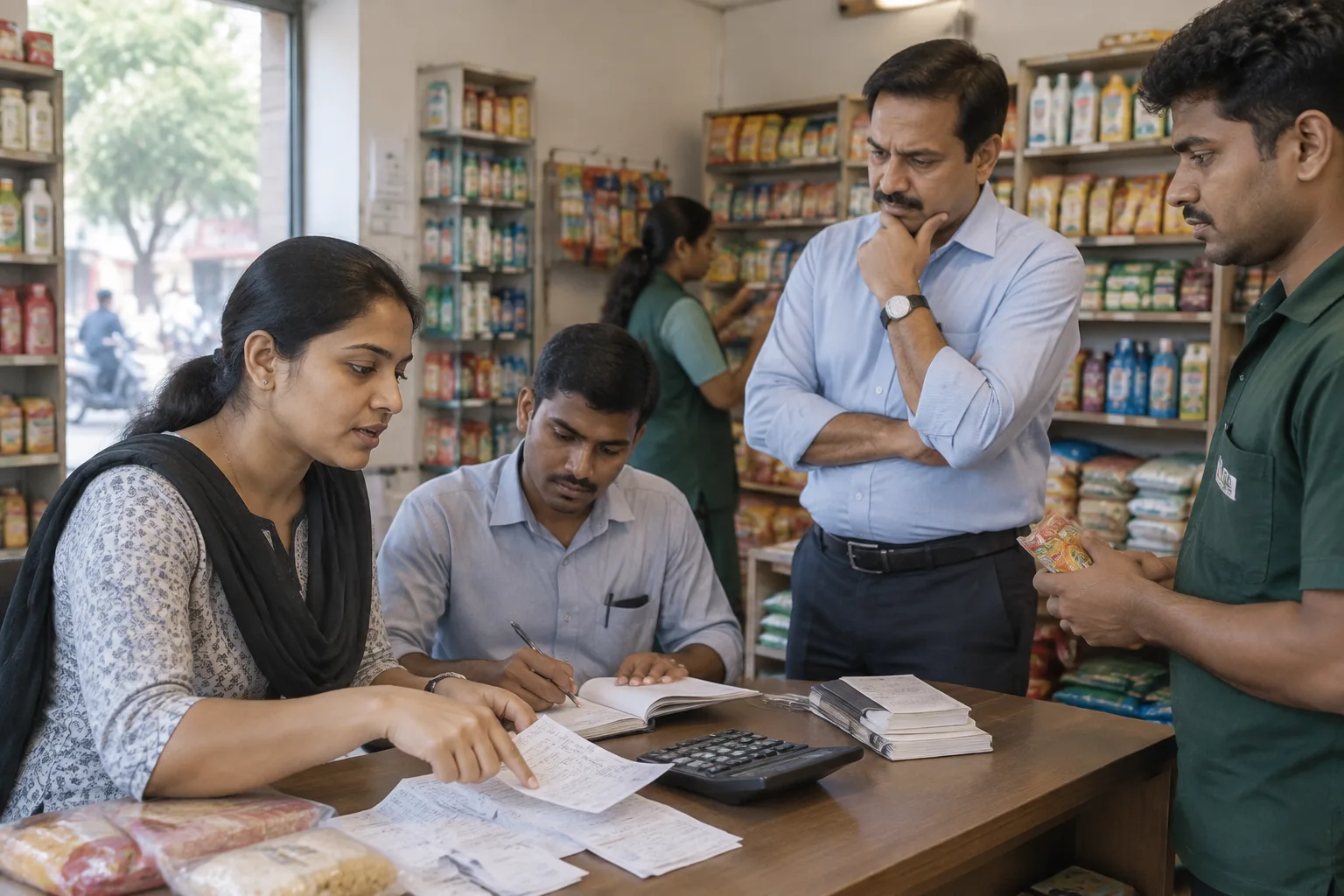
Running a successful outlet yourself is not the same as enabling another operator to run the same business successfully. Before offering franchises, a pilot — a limited operational trial — helps you understand that difference. Its purpose is not simply to demonstrate sales, but to test whether the business can be replicated with a typical team, realistic costs and a defined level of support. Reliable franchise expansion starts with this evidence.
1. Define the question and scope before testing
Before starting the pilot, write down exactly what you want to prove. A useful question is: can a trained manager run the business to the required quality standards without the founder’s daily intervention, while generating sufficient profit after covering all normal costs?
Opening a new unit is not the only option. You can also place an existing unit under a manager’s control for a defined trial period. However, an established customer base, favourable rent and the founder’s local reputation may not be available at a new location. Record these advantages as limitations of the trial.
Set out the following in a brief test plan:
- The format, customer group and location to be tested.
- The decisions the manager will make independently.
- How sales, service, costs and support from the founder will be recorded.
- The results that would put expansion on hold.
Allow enough time to observe normal busy and quiet days, staff absences and a complete purchasing cycle. Do not treat strong opening sales alone as proof.
2. Make the founder’s hidden support visible
Many businesses work because the owner resolves complaints, calls in staff at short notice or uses personal relationships to secure urgent supplies. If these contributions go unrecorded, the pilot will make the business look more capable than it really is.
During the trial, log every intervention by the founder: what was the problem, who made the decision, how long did it take, and could another trained operator have handled it? Intervene immediately where safety, legal compliance or a risk of serious harm to a customer is involved; do not increase risk for the sake of the trial.
Under normal circumstances, let the manager work within their agreed authority. Study real events such as staff changes, a surge in orders at busy times or delayed deliveries. There is no need to create unsafe situations deliberately.
If every important decision comes back to the founder, do not assume this is simply a weakness in the employee. The problem may lie in decision-making authority, procedures or the business format itself. Make improvements, then test the same task again.
3. Test profitability against a future franchisee’s costs
Prepare the pilot’s accounts as though the unit were being run by an independent franchisee. Unpaid family labour, rent-free use of your own premises or free head-office support can artificially inflate profits.
Keep a separate adjusted set of figures alongside the actual results. Show the impact of a reasonable manager’s salary, likely rent, maintenance, spoiled stock, payment processing charges and proposed franchise fees. Do not present estimates as actual expenditure; record the basis for every adjustment.
Assess three aspects separately:
- The unit’s operating result: what remains from normal trading?
- Cash flow: when do customers pay, and when must payments be made?
- The brand’s support costs: how much time and resource does it take to support one unit?
Then revisit the figures under scenarios involving lower sales, higher rent and staff turnover. This is not a forecast, but an exercise in identifying vulnerabilities. A format that requires excessive support may not be ready for expansion, even if sales are strong.
4. Do not treat a pilot as an exemption from the law
India has no dedicated franchising law, central franchise registration system or mandatory franchise-specific pre-sale disclosure regime. Nor is there a general franchise-specific statutory requirement to run a pilot. However, general business laws still apply.
The Indian Contract Act, 1872 provides the legal basis for matters such as agreements, free consent and misrepresentation. The Trade Marks Act, 1999 concerns brand use. The Competition Act, 2002, the Consumer Protection Act, 2019, applicable tax laws, and state and local operating rules may also be relevant. Food businesses must comply with applicable food safety registration or licensing requirements during a pilot too.
If the trial involves an independent partner, use a written agreement to clarify investment, brand use, decision-making authority, responsibility for losses, access to data and what happens when the trial ends. Simply calling the arrangement a ‘pilot’ does not remove these responsibilities.
5. Base the expansion decision on evidence
At the end, record the results, supporting evidence and unresolved issues against each agreed criterion. There are three possible decisions: limited expansion, further testing after improvements, or a pause for now. Hiding weak results behind average sales figures does not make for a useful review.
When sharing pilot results with prospective partners, clearly state the location, trial period, unusual advantages and assumptions. Success at one unit does not guarantee earnings in every city.
Practical takeaway: before offering franchises, prove that the business works because of the system you have built, not simply because of you. If the evidence is incomplete, improve the business first, then expand.
Sources
- [PDF] Legal 500 Country Comparative Guides 2026 - Khaitan & Co
- [ARCHIVE] India — Franchise Laws and Regulations 2025 - ICLG
- ksandk.com › startups › franchising-laws-and-regulations-in-indiaFranchising Laws and Regulations in India: Understanding…
- Franchising in India - Miller Canfield
- www.legal500.com › India-Franchise-LicensingIndia Franchise & Licensing Contributor G&W Legal
- How to start a franchise business in India in 8 steps - Hostinger
- Need for Franchising Laws in India
- Q&A: offer and sale of franchises in India