How to Approve a Franchise Site in India
Check demand, costs and lease terms before approving a franchise site. A clear process reduces the risk of committing to expensive, unsuitable premises.
Published
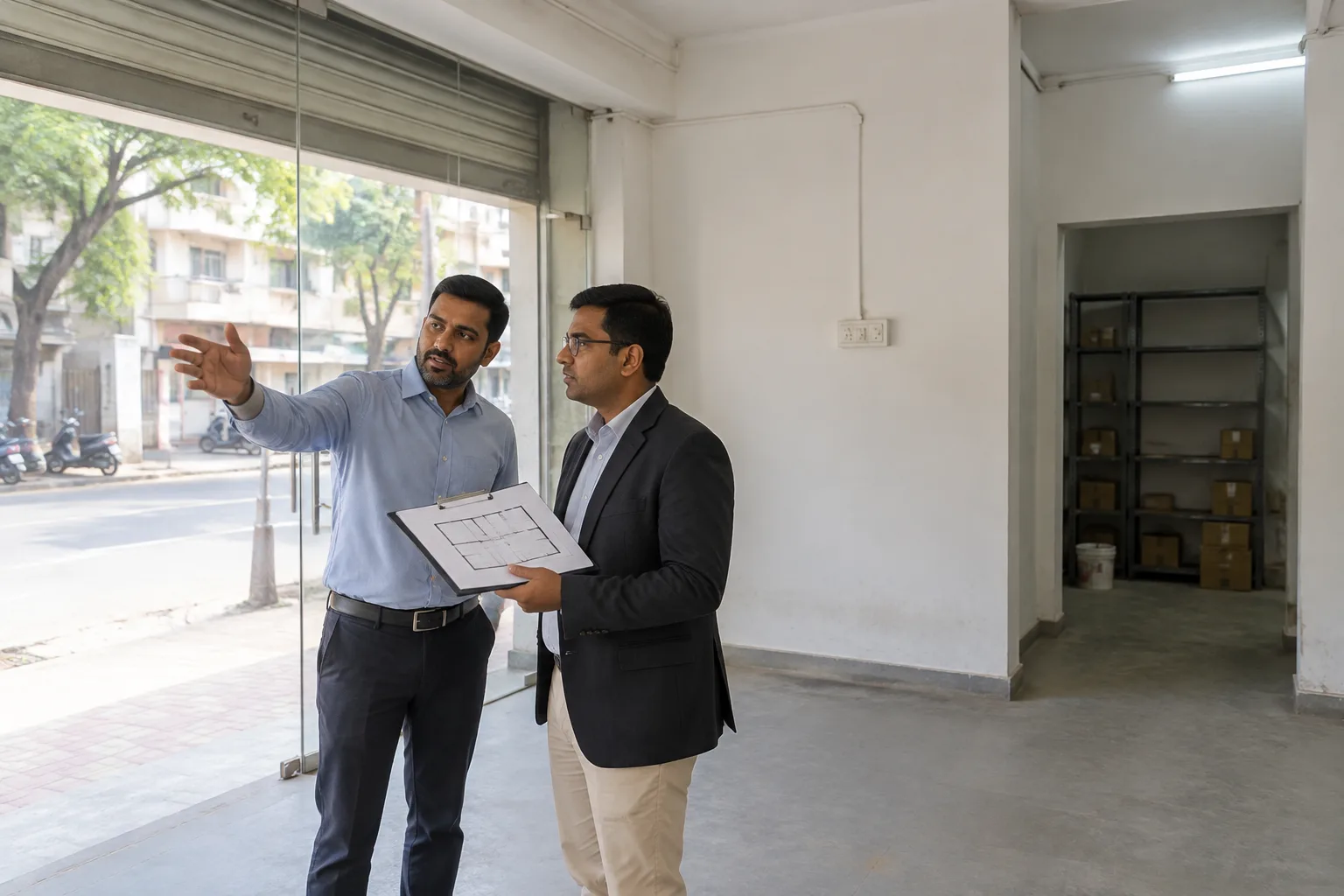
When expanding your successful business into a franchise network, not every attractive-looking shop will be the right fit. Low rent does not compensate for poor access, and crowds do not always translate into customers. Rather than giving a prospective franchisee verbal agreement to take on premises, establish a written site approval process. Its purpose is not to guarantee the outlet’s success, but to identify risks before money is tied up in unsuitable premises.
1. Base your selection criteria on your existing outlet
Start by understanding why your existing business works in its current location. Do customers live nearby, come from local offices or travel further for a specialist service? Do sales depend on passing footfall, or on advance bookings and home services? Use these factors as the basis for assessing a new site.
Separate essential requirements from desirable features. For example, sufficient electrical capacity for equipment may be essential, while direct visibility from the main road may only be desirable for some businesses. Your criteria should cover:
- Actual usable space and the movement of customers and staff.
- Arrangements for storage, unloading goods and providing services.
- Electricity, water, drainage and ventilation requirements.
- Customer access, parking and the nature of neighbouring businesses.
- The total cost of rent, maintenance and fitting out the premises.
Do not impose the same size requirements in every city. Where a smaller format could work, set out separate conditions for it. If an essential requirement is not met, low rent should not be a reason to approve the site.
2. Ask the franchisee for evidence, not just photographs
Use a standard information form for every proposed site. Record the address, a dimensioned floor plan, photographs, proposed rent, security deposit, maintenance charges, available facilities and the landlord’s terms. Ask the franchisee to state who supplied the information and when.
Arrange visits on different days and at different times to assess customer footfall. Do not assume that a busy weekend evening reflects demand throughout the week. Also record potential customers in the surrounding area, competing options and barriers to access. Being on the other side of the road, having an awkward entrance or facing delivery restrictions can make a significant practical difference.
When checking costs, look beyond monthly rent. Include routine maintenance, applicable taxes, fixed electricity charges, fit-out costs and rent payable before opening. Show the security deposit separately from expenses, but allow for that cash to be unavailable for a period of time.
Comparisons with your existing outlet are useful, but its customer base and sales will not automatically carry over to a new location. If costs are manageable only under highly optimistic sales assumptions, reassess the proposal. Do not present this review as a promise of earnings.
3. Use staged approval and record responsibilities
Clearly distinguish between initial interest, conditional approval and final approval. Initial interest should mean only that further checks are warranted; it should not be treated as permission to take on the premises. Conditional approval should identify outstanding matters, such as confirmation of sufficient electrical capacity or the landlord’s agreement to necessary alterations.
A useful approval letter should include:
- Precise identification of the approved premises and their approved use.
- Work to be completed and the parties responsible for it.
- How long the approval remains valid and the circumstances requiring a fresh review.
- Who will pay for inspections, technical advice and design work.
- Which payments or building works may proceed after each stage.
Advise the franchisee to avoid non-refundable payments or irreversible building work before final approval. If a payment is needed to reserve the site, ensure that refund terms and conditions relating to outstanding checks are agreed in writing.
The brand’s approval should confirm only the site’s commercial suitability against the agreed criteria. It is not a guarantee of property ownership, all necessary legal permissions or profitability. However, such a clarification does not remove responsibility for providing misleading information.
4. Check that the lease and franchise agreement work together
India has no standalone national franchise law, mandatory franchise disclosure document or central franchise registration system. The Indian Contract Act, 1872 provides the general framework for agreements, free consent, fraud and misrepresentation. It is therefore important to set out site approval terms clearly in the franchise agreement.
The Transfer of Property Act, 1882, the Registration Act, 1908 and applicable state laws may be relevant to the premises lease. Ask a local lawyer to check registration requirements according to the nature and duration of the document, as well as the stamp duty payable in the relevant state. Where applicable, also check rent control provisions and local rules on building use.
Check that the lease permits the intended business, signage, equipment installation, structural alterations and operating hours. The brand’s consent is not a substitute for the landlord’s consent.
Review the duration of both agreements, the premises handover date and the opening schedule together. Ending the franchise relationship does not automatically end the obligation to pay rent. Equally, having to vacate the premises could disrupt the franchise operation. Agree responsibilities and procedures for these situations in advance.
Practical takeaway: Before awarding your first franchise, prepare a site assessment form, a staged approval letter and a lease review checklist. Setting the rules before becoming attached to a location is safer than trying to revise the terms after money has been committed.
Sources
- Franchise Business in India: A Complete Guide (2026)
- How to Register a Franchise Business in India: Legal Framework ...
- Franchising Laws – India (2023)
- What are the essential steps for franchise registration in India
- How to Start a Franchise Business in India. Costs, Profitability
- [PDF] India-Franchise.pdf - Legal 500 Country Comparative Guides 2025
- फ्रेंचाइज़ी बिज़नेस: अर्थ, प्रकार, लाभ और शुरुआत करने के चरण
- India: Franchise & Licensing