Choosing the Right Franchise Partner for Your Business in India
Do not award a franchise on investment capacity alone. Use a practical selection process to assess a candidate’s operational skills, financial readiness and expectations.
Published
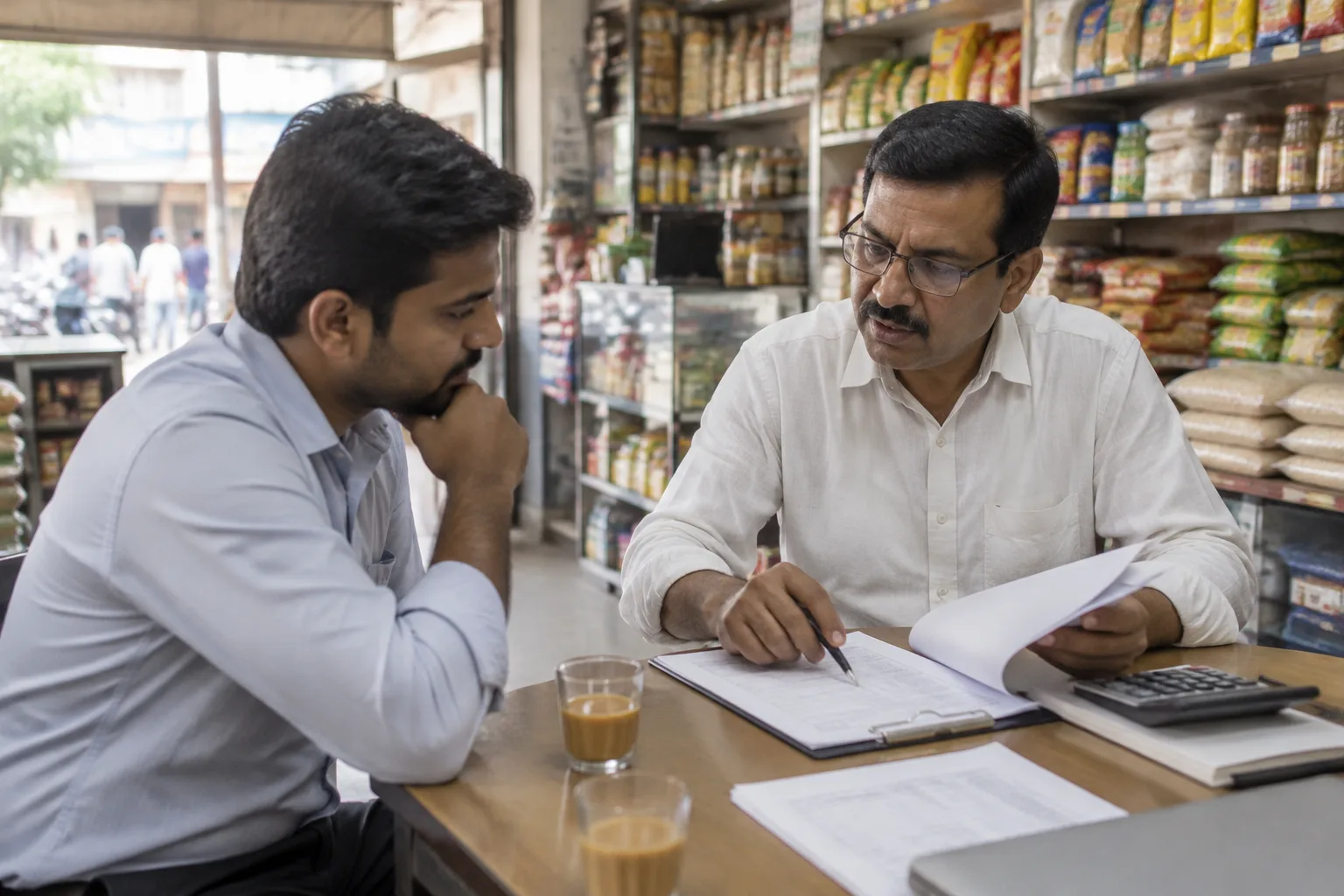
When expanding a successful business, the first major mistake is often awarding a franchise to the wrong person. Access to funding matters, but it does not prove someone can handle customer complaints, manage a team or maintain standards. To build a strong franchise network, treat partner selection as an evidence-based decision, not a sales target. This guide focuses on that selection process for existing business owners.
1. Set out your selection criteria before inviting applications
First, decide what sort of person you need to run your outlet. Will the partner need to be there every day, or can they appoint a trained manager? Is an understanding of local customers essential? Does the business involve challenges such as staff working different shifts, perishable stock or ongoing customer support?
Create a written assessment form covering these criteria:
- Operational capability: Experience of managing staff, purchasing and customer complaints.
- Financial readiness: Resources available for ongoing costs as well as the initial investment.
- Personal involvement: The time the candidate can realistically devote to the business.
- Commitment to standards: Willingness to undertake training, accept quality checks and follow prescribed procedures.
- Local knowledge: Understanding of customers and business conditions in the proposed location.
For each criterion, record ‘suitable’, ‘further evidence needed’ or ‘unsuitable’. Setting non-negotiable requirements in advance helps prevent a persuasive conversation or an offer of immediate payment from swaying your decision.
2. Check financial readiness, not just total assets
Owning assets and having funds available to open an outlet are different things. Ask whether the investment will come from personal savings, partners’ contributions or borrowing. If the candidate is relying on a loan, establish its approval status and who will be responsible for repayment. Do not treat an anticipated loan as available cash.
Ask the candidate to explain how they will fund three separate areas: the cost of opening the outlet, initial operating costs and personal household needs. The aim is not to set a universal minimum amount, but to assess their readiness against your business’s actual costs.
With the candidate’s consent, request the necessary financial evidence and have an accountant review it if needed. Do not collect unnecessary details of personal transactions or the family’s entire financial affairs. Restrict access to documents and establish a policy for their secure storage and deletion.
If the application is made in the name of a company or limited liability partnership, verify its identity, ownership and authorised signatory. The person conducting the discussions is not necessarily authorised to enter into the agreement.
3. Test practical understanding alongside the interview
Ask every candidate the same core questions. For example: ‘What would you do if a key employee were unexpectedly absent?’ or ‘How would you resolve a valid customer complaint if the remedy they wanted fell outside company policy?’ Look at their decision-making approach, not just their confidence.
Arrange a supervised familiarisation session at an existing outlet. Explain customer flow, goods receipt and end-of-day procedures. Then ask the candidate which responsibilities they would handle themselves and where they would need support. This is a selection exercise, not an opportunity to obtain free labour.
With the candidate’s consent, speak to relevant business referees. Rather than asking for general praise, seek examples of payment discipline, treatment of staff and decisions made in difficult circumstances. Do not treat hearsay as conclusive; allow the candidate to explain any adverse information.
4. Align expectations and clarify legal responsibilities
India has no dedicated central franchise law, compulsory national franchise registration or general franchise-specific requirement to provide a pre-sale disclosure document in a prescribed format. This does not mean franchising is exempt from legal obligations.
The Indian Contract Act, 1872 applies to matters such as contracts, free consent, fraud and misrepresentation. During selection discussions, therefore, avoid unsupported promises of guaranteed profits, a risk-free investment or income without active involvement. The Trade Marks Act, 1999 concerns brand rights, while restrictive terms may need to be reviewed under the Competition Act, 2002. Dealings with customers are subject to the Consumer Protection Act, 2019, alongside other rules applicable to the business.
Ask the candidate who they believe will be responsible for training, local marketing, staffing and day-to-day expenses. If their answers differ from your offer, resolve those differences first. Give them an opportunity to obtain an independent legal review of the agreement. If you take an advance payment, explain its purpose, how it will be credited against amounts due and the refund conditions in writing beforehand.
5. Keep a record of the final decision
Do not leave the selection decision solely to the person who brought in the application. Seek input from those responsible for operations and finance as well. In a small business, the owner and an independent adviser can carry out this review together.
In the decision record, set out the evidence, outstanding questions and conditions of approval. Put the decision on hold if funding has not been confirmed, the person responsible for operations has not been identified or expectations remain unresolved. Declining an application with clear reasons is better than accepting it under pressure.
Practical takeaway: Before accepting your next application, prepare a standard assessment form. The right partner is someone whose resources, conduct and time commitment match the real needs of your business.
Sources
- UNDERSTANDING THE LEGAL FRAMEWORK FOR ...
- Franchising
- Q&A: offer and sale of franchises in India
- क्या होती है फ्रेंचाइजी? इसे लेकर कैसे खड़ा करें शानदार बिजनस, एक्सपर्ट्स ...
- Key franchise laws in India
- A Guide to Franchising in India
- Franchising Law in India- An Overview
- Franchise Business Registration in India 2026