KIDZO Plans Franchise Expansion Across Northern India
Lucknow-based KIDZO has introduced two franchise models for expansion across northern India, with a proposed investment of INR 2.325 million.
Published
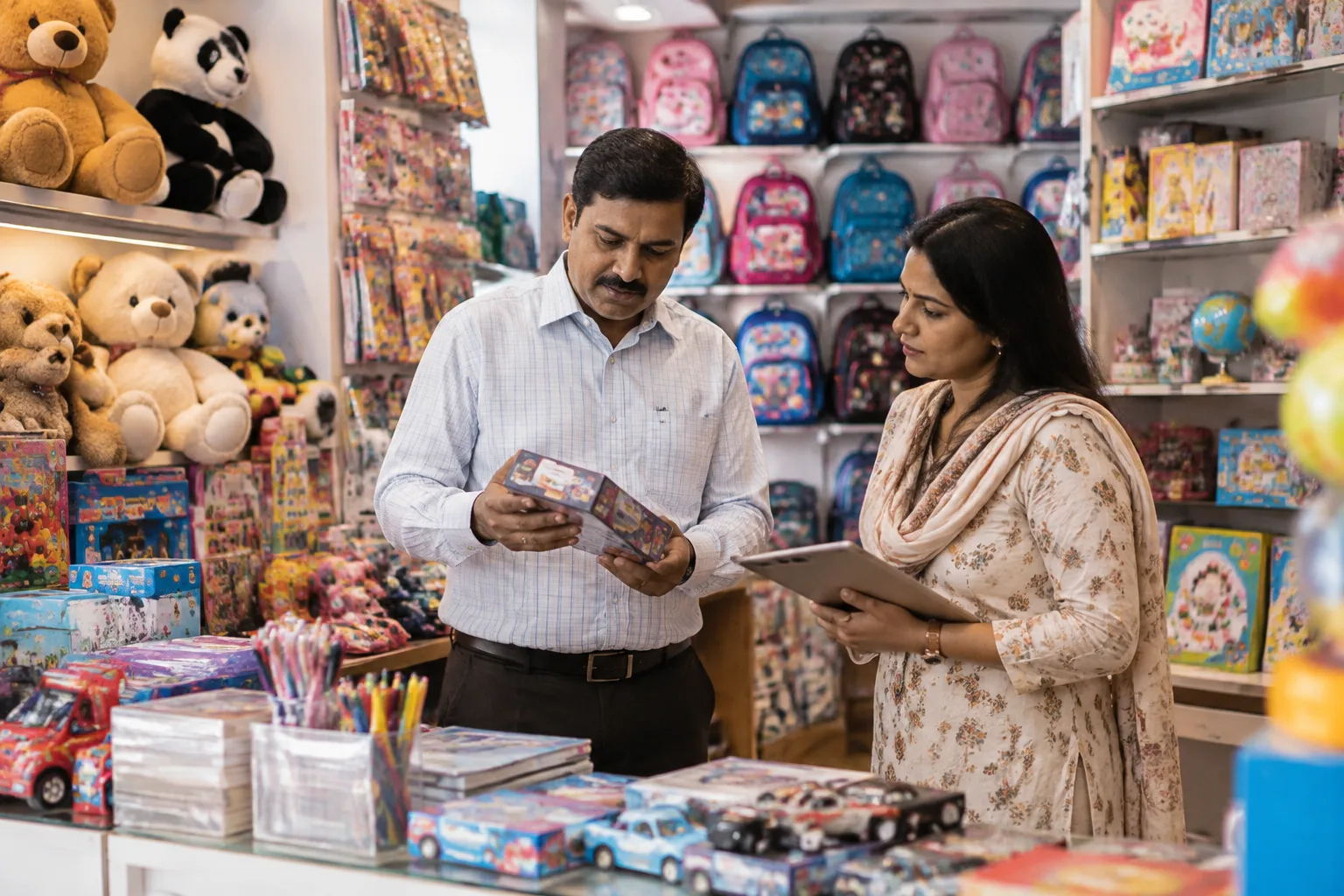
Lucknow-based children’s retail brand KIDZO is targeting expansion across northern India through franchising. Its offer includes a proposed investment of INR 2.325 million (23.25 lakh), a retail format with more than 2,000 product options and two franchise models. This is a new children-focused retail proposition in India’s franchise market, but prospective investors should distinguish between the advertised format and the actual investment terms.
Expansion focused on northern India
According to information published by FranchiseTv on 5 November 2026, KIDZO aims to expand across northern India from its base in Lucknow. The plan centres on franchise partnerships. The announcement sets out the brand’s intended expansion and investment proposition; it should not be read as confirmation that new shops have opened or expansion targets have been met.
Its focus on children’s retail calls for a different assessment from that of a general retail shop. Prospective partners should assess footfall from families, nearby shopping facilities and local customer needs at their proposed location. These are matters for pre-investment due diligence, not grounds for assuming a particular level of sales or demand.
Nor should a broad geographical target such as northern India be taken as a guarantee that franchise rights are available in any particular city. Interested investors should first obtain written confirmation of availability in their chosen city and area.
Understanding the INR 2.325 million proposal
KIDZO quotes a proposed investment of INR 2.325 million. This is a useful starting point for comparison, but an investment decision should not rest on that figure alone. It is important to distinguish the proposed amount from the total funding a partner will need to open and run the shop.
Investors should ask the brand for an itemised cost breakdown, clarifying how franchise fees, shop fit-out, initial stock, equipment and other set-up costs are treated. They should also ask how the rental deposit, staff wages and working capital for the first few months should be budgeted for. These items are not being presented here as included in the quoted amount; they are questions to resolve before signing a contract.
Similarly, the proposed investment should not be taken as an indication of guaranteed earnings or a fixed payback period. Investors should understand sales projections, ongoing payments and responsibility for expenses before deciding whether the opportunity fits their financial capacity.
Managing more than 2,000 product options
The brand describes a retail format offering more than 2,000 SKUs. An SKU, or stock-keeping unit, identifies a distinct product or product variant for inventory tracking. The figure should therefore not be interpreted as 2,000 separate brands or product categories.
Alongside the number of products, prospective franchise partners need to understand how the range is selected and supplied. They should obtain written answers on who determines the initial stock, how replenishment works and what arrangements apply to slow-selling products.
Offering variety in the shop and managing capital tied up in stock are two separate operational needs. Partners should review the proposed product list to assess how much opening stock is appropriate for their location and budget. A broad product range does not, in itself, demonstrate equal demand for every item.
Comparing the terms of the two models
KIDZO has introduced two franchise models for its expansion. Interested partners should assess them as separate business propositions rather than interchangeable options. The comparison should cover investment requirements, operational responsibilities, stock ownership, brand support and ongoing payments.
Territorial rights, the agreement’s duration, renewal provisions and exit terms should also inform the decision. Differences in initial investment alone do not determine which model is suitable; partners must also consider how much time they can commit and how much financial responsibility they can take on.
Practical takeaway: Treat KIDZO’s offer as an opportunity for initial consideration. Before proceeding, obtain and compare written details of both models, a full cost breakdown and confirmation of availability in your chosen territory.