Domino’s and Popeyes sales rise as Devyani narrows its loss
Delivery supported growth at Jubilant FoodWorks, while Devyani reduced its second-quarter loss. Costs remain a key consideration for prospective franchise investors in India.
Published
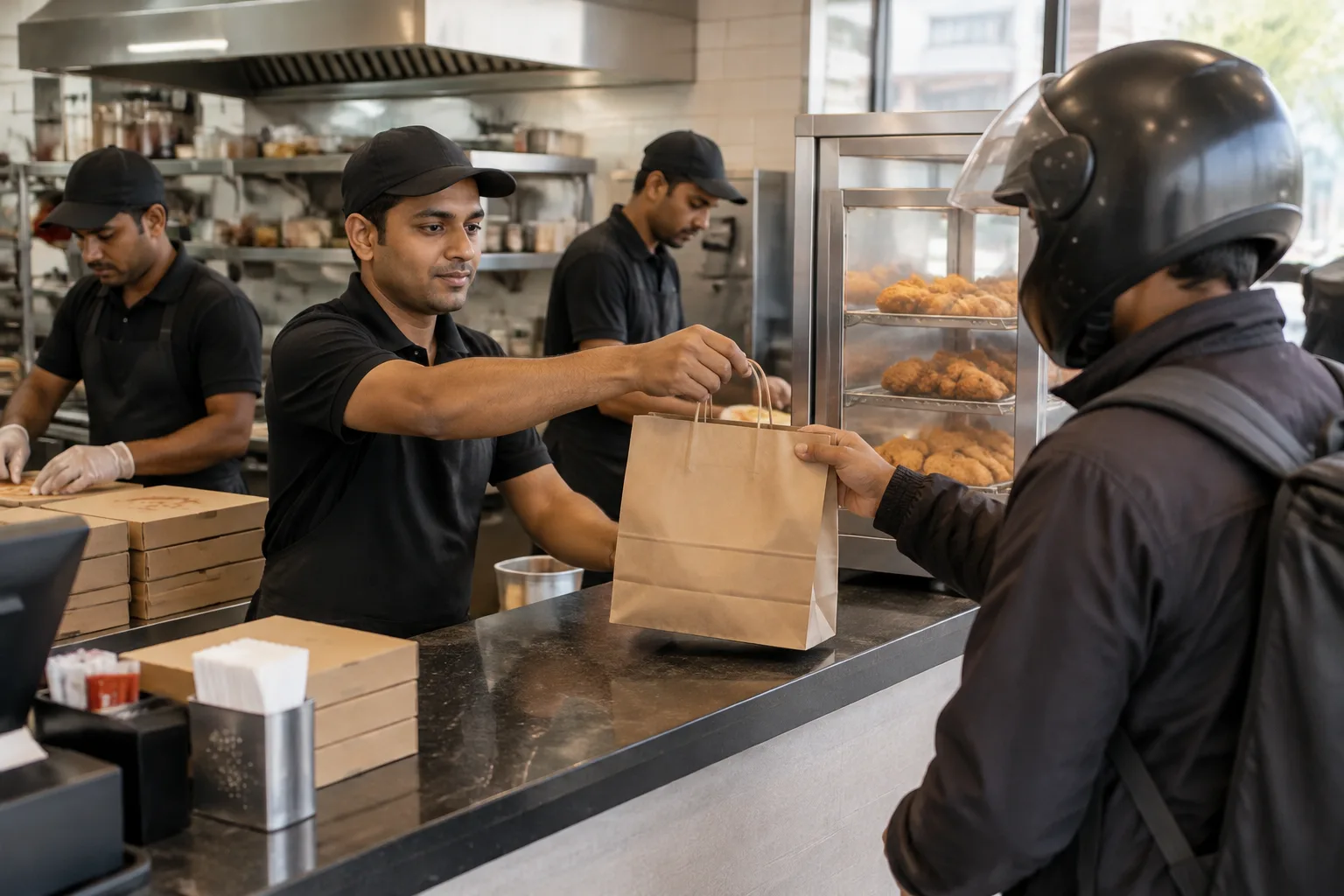
Two reports on sales and operating performance are drawing attention in India’s restaurant franchise sector. Domino’s delivery business and rapid revenue growth at Popeyes have contributed to Jubilant FoodWorks’ performance. Meanwhile, Devyani International, which operates KFC and Pizza Hut restaurants, has significantly reduced its second-quarter loss. Both companies’ figures highlight the importance of controlling costs alongside growing sales.
Delivery supports Domino’s as Popeyes grows rapidly
According to The Economic Times, revenue at Jubilant FoodWorks’ Domino’s business rose by 9.2 per cent year on year. Higher order volumes and growth in the delivery business contributed to this performance. The key point is therefore not simply that sales increased, but also the role delivery played in that growth.
The company’s Popeyes business recorded year-on-year revenue growth of 122 per cent. The report presented Popeyes as another major driver of growth for the company. It also noted effective cost management and improved operating efficiency across Jubilant FoodWorks’ restaurant network.
However, the growth rates at Domino’s and Popeyes should not be compared on a like-for-like basis. Percentage growth alone does not reveal the overall size of either business or how much each contributes to the company’s earnings. Nor should Popeyes’ higher growth rate be taken as an indication of individual restaurant profitability or the returns a prospective franchise investor might earn.
Devyani’s costs rise more slowly than revenue
The second report concerns Devyani International’s second-quarter performance. According to The Economic Times, the company’s revenue rose by 10.4 per cent to ₹15.19 billion, equivalent to ₹1,519 crore in Indian numbering. Over the same period, expenses increased by 8.3 per cent and the company’s loss narrowed significantly.
The important distinction here is between revenue growth and expense growth. Costs rising more slowly than revenue offer a useful indication of operating performance. Nevertheless, a smaller loss should not be confused with a return to profit. The report describes a reduction in the company’s loss, not a profit.
KFC recorded same-store sales growth of 4.4 per cent. According to the report, this was its third consecutive quarter of same-store sales growth. This measure helps assess sales performance at comparable restaurants, separately from the impact of adding new locations. It should be read separately from the company’s overall revenue growth rate.
Devyani chairman Ravi Jaipuria highlighted challenges linked to inflation and rising interest rates. Despite stronger sales and a smaller loss, cost pressures therefore remain an important part of the picture.
How to read the two reports together
The Jubilant FoodWorks report focuses on delivery, orders and brand-level revenue growth. The Devyani report covers total revenue, expenses, losses and same-store sales. These different measures do not provide a sound basis for declaring one company stronger than the other.
For the franchise community, the useful lesson is to consider where sales growth comes from. More orders, growth in delivery and stronger sales at comparable restaurants are distinct indicators. Similarly, the growth rate of a company’s total expenses says nothing about an individual outlet’s rent, staffing costs or local demand.
These results should not be mistaken for announcements of new franchise opportunities. They are reports on operating performance; they do not announce investment requirements, fees or application procedures for prospective partners.
Assess costs as well as sales before investing
These reports can serve as an initial reference point when evaluating a restaurant franchise opportunity. Prospective partners should ask the relevant brand for a clear breakdown of outlet-level income and expenditure, delivery-related costs, rent, staffing costs and other recurring payments. Company revenue growth should not be treated as a forecast of an investor’s potential earnings.
Practical takeaway: Rising sales are a positive sign, but investment decisions should be based on an assessment of local demand, the written agreement and the income remaining after all costs.
Sources
- franchisee stores News and Updates from The Economic Times - Page 1
- franchise partnerships: Latest News & Videos, Photos about franchise partnerships | The Economic Times - Page 1
- franchisee News and Updates from The Economic Times - Page 1
- largest hotel franchising company: Latest News & Videos, Photos about largest hotel franchising company | The Economic Times - Page 1
- franchisee stores Videos: Watch franchisee stores News Video - Page 1