Buying a Franchise in India: Who Is Responsible for Unsold Stock?
Who bears the loss on unsold, defective or withdrawn stock? Clarify the returns and payment terms before buying a franchise in India.
Published
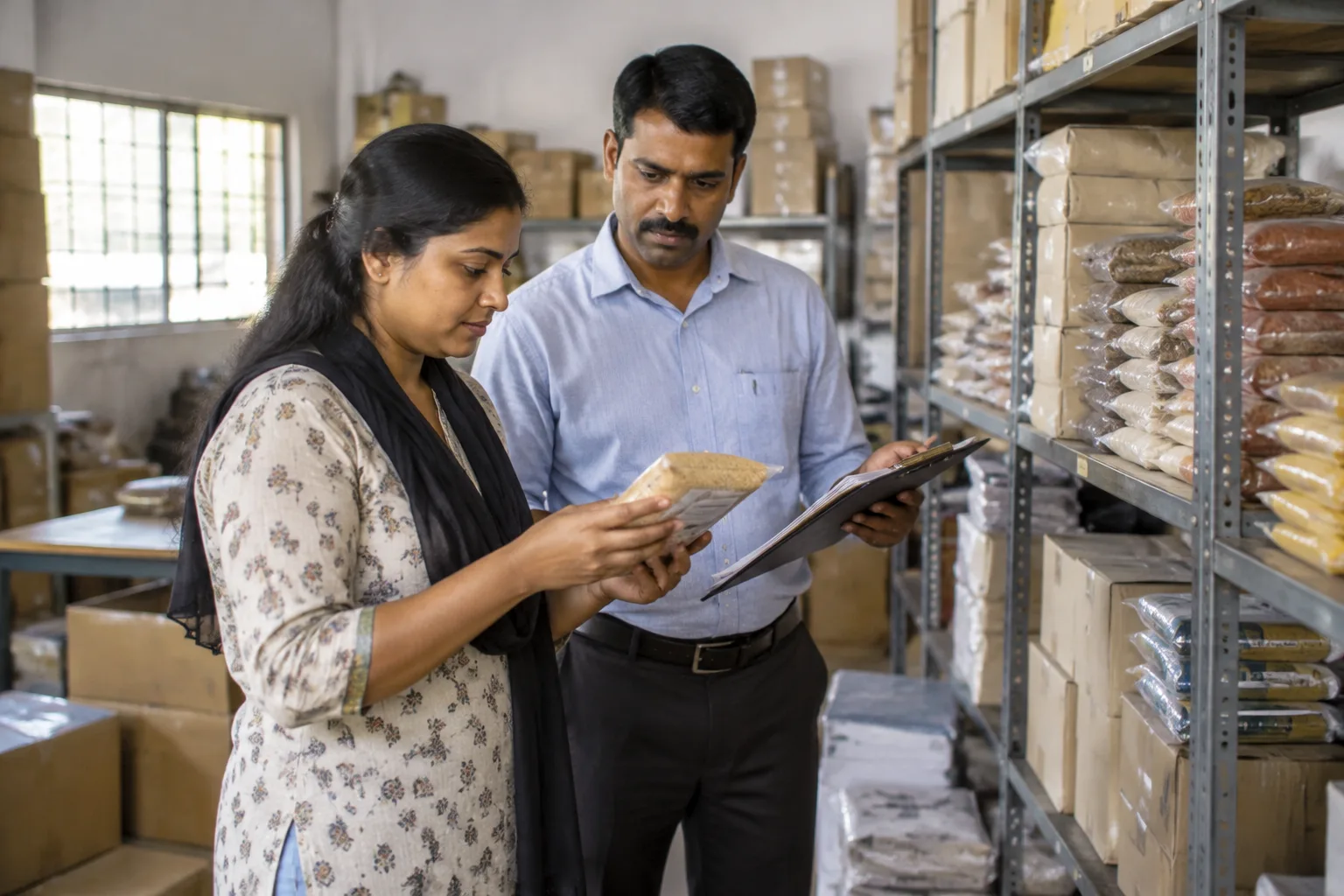
When buying a franchise, the cost of your opening stock is visible, but the risk of stock not selling is often less obvious. Last season’s clothing, food products with a short shelf life or items withdrawn by the brand can tie up your cash. To build a reliable franchise partnership, clarify three things before committing: who owns the stock, who bears any loss and how you will be reimbursed for returns.
1. Are you buying the stock or holding it for sale?
First, establish when ownership of the stock passes to you under the proposed arrangement. Will you buy goods from the supplier and sell them at your own risk, or will the supplier retain ownership, with payment settled after a sale? A clause stating ‘payment on sale’ does not, by itself, establish a right to return unsold stock.
Read the supply contract, order terms and sample invoices alongside the franchise agreement. Check:
- When do ownership and the risk of loss pass to you?
- Who is responsible for damage or failures in temperature control during transport?
- How much time will you have after delivery to check quantities and quality?
- Who pays to store rejected goods separately and return them?
If the supplier is a separate company from the brand, a verbal assurance from the franchisor is not enough. Obtain written agreement from the entity that will accept the returns. Also clarify which terms take precedence if the documents conflict.
2. Set separate rules for each type of return
‘The goods can be returned’ is an incomplete promise. Poor sales, defective goods and products withdrawn by the brand are different situations. Applying one vague rule to all of them can lead to disputes.
Unsold stock in good condition: Get the return window, packaging requirements, permitted quantities and any deductions in writing. Ask what happens to old stock when seasonal collections change.
Defective goods or incorrect deliveries: Agree how complaints must be submitted, which photographs and batch details are required, and the deadline for replacements. Have a lawyer check that signing a delivery receipt will not be treated as waiving all claims relating to hidden defects.
Goods with a limited shelf life: Specify the minimum remaining shelf life required on delivery. Watch for terms that place the entire risk of late-dispatched goods on you.
Goods withdrawn from sale: Establish who pays for separate storage, transport and disposal in the event of a safety recall or an instruction from the brand to stop selling a product. A right to return goods does not permit you to sell them if they are unsafe.
3. Check the return value and cash-flow impact
Having a return accepted is not the same as getting your money back. Check whether the proposal provides for a cash refund, a credit against your next invoice or replacement stock only. If you cannot use the credit without placing another order, your cash may remain tied up.
Prepare a simple calculation covering the stock’s purchase cost, return transport, inspection fees, possible deductions and the cash you will need until reimbursement arrives. Then assess how you will cover rent, wages and other payments if sales are slow. Only factor in a guaranteed return arrangement if it is in writing and enforceable.
Agree whether returns will be valued at the original purchase price or another rate. Check with an accountant who will issue the adjustment documents needed for tax and accounting purposes. If the wording refers to ‘the company’s policy in force at the time’, request a copy of the applicable policy and its version number.
4. Which laws apply in India?
India has no dedicated national franchise law, central franchise register or general mandatory pre-sale disclosure document regime. A guaranteed right to return unsold stock is therefore not an automatic, special entitlement for franchisees.
The Indian Contract Act, 1872 provides the main legal framework for matters such as agreements, free consent, fraud and misrepresentation. The Sale of Goods Act, 1930 is also relevant to sales of goods, including rules on ownership, risk and terms relating to quality. Their effect will depend on the actual transaction and contract. Goods remaining unsold does not automatically give every business buyer a right to return them.
Relevant safety laws and tax rules may also apply to products such as food. A contract cannot remove statutory safety obligations. Before signing, ask a local lawyer to review the returns, rejection and loss provisions together.
5. Ask for evidence of the process, not just promises
Ask existing franchisees how many stages their returns involved, what deductions were made and when they received a credit or refund. You can request an example of a return authorisation or adjustment document with confidential information removed. This is not a guarantee of future performance, but it is a useful way to understand the process.
Include in the agreement the address for submitting complaints, response deadlines, responsibility for collecting goods and an escalation procedure for disagreements. Also agree how the relevant invoice will be handled while return approval is pending; do not assume that withholding payment unilaterally is a safe option.
Practical takeaway: Place your opening stock order only once ownership, eligibility for returns, deductions and reimbursement deadlines are set out in writing. Clear arrangements for unsold stock protect your cash better than sales forecasts alone.
Sources
- PANORAMIC
- भारत में फ्रैंचाइज़ गाइड और संसाधन | QFA
- [PDF] India-Franchise.pdf - Legal 500 Country Comparative Guides 2025
- Franchising Comparative Guide - Legal 500
- Need for Franchising Laws in India
- ijlr.iledu.in › wp-content › uploadsUNDERSTANDING THE LEGAL FRAMEWORK FOR FRANCHISING IN INDIA
- India: Franchise & Licensing – Country Comparative Guides
- www.cheggindia.com › hi › franchiseफ्रेंचाइजी बिज़नेस क्या है? | 2025 में फ्रेंचाइज कैसे शुरू ...