Buying a Franchise in India: What Should You Ask Existing and Former Operators?
Do not rely solely on introductions chosen by the brand. Speak to current and former franchisees to independently check what running the business is really like.
Published
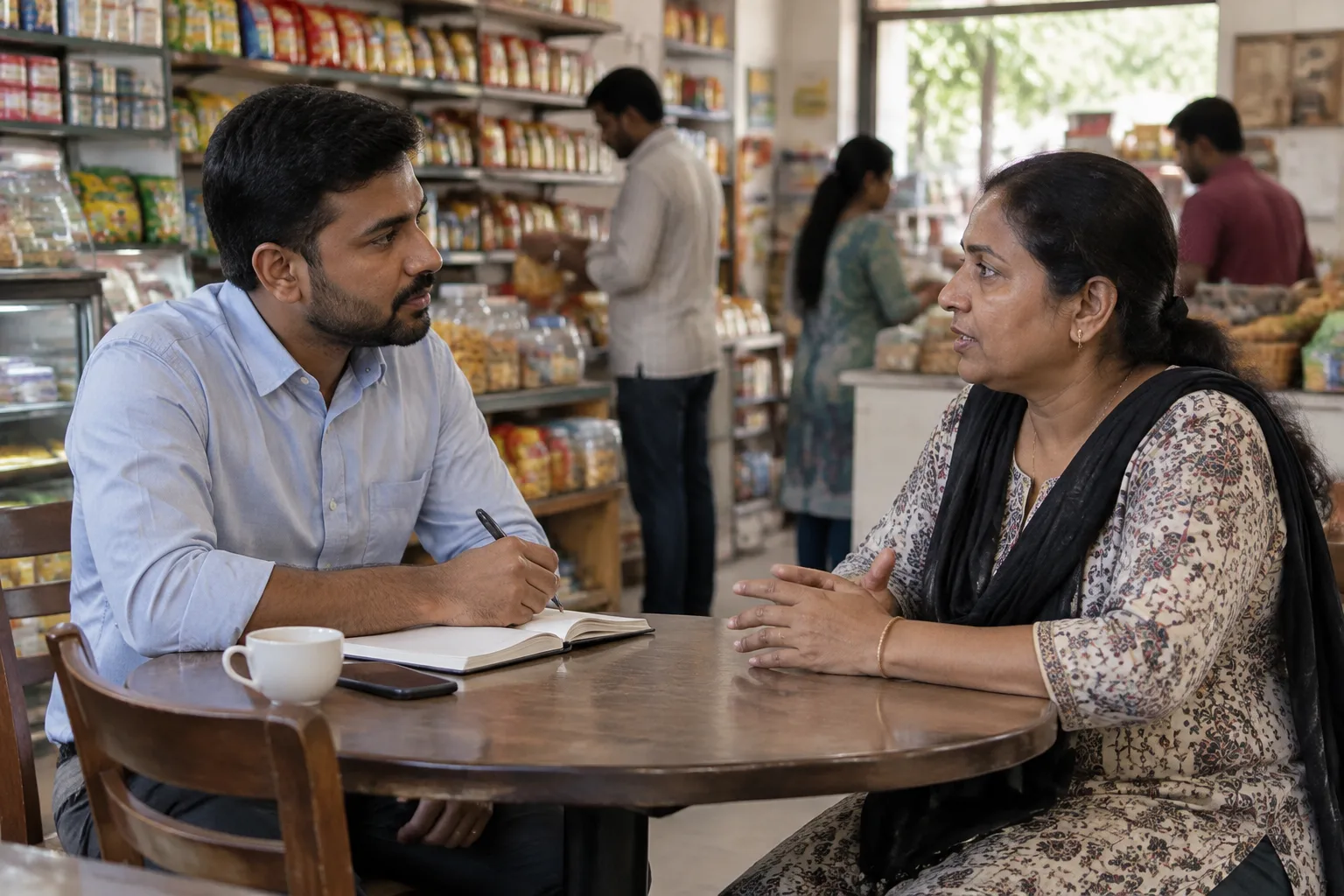
Before buying a franchise, it is important to understand the brand’s pitch, but the experiences of those running its outlets may reveal a different picture. Structured conversations with current and former franchise operators can help you understand how the proposed arrangement works in practice. The aim is not to make an immediate decision based on someone’s opinion, but to identify gaps between sales claims, actual experience and the written agreement.
1. Choose a balanced mix of people to speak to
Do not ask the brand only for introductions to successful outlets. Request contact with operators whose experiences differ: recent starters, long-standing franchisees and former franchisees who have closed or transferred their businesses. A closure is not, in itself, evidence of a problem with the brand; personal circumstances, location or commercial factors may also explain it.
Operators working in circumstances similar to those of your proposed outlet are particularly useful. Experience in a large shopping centre in a major city will not translate directly to a street-front shop in a smaller town. Consider the premises’ size, customer base, rental arrangements and the owner’s involvement in day-to-day operations.
Check how independent the introductions are, too. Ask whether the person you are speaking to receives any payment or benefit for bringing in new investors. This does not make their account untrue, but it helps you understand any potential conflict of interest.
Make independent contact through publicly available business contact details as well. Arrange a convenient time with their permission and, where possible, speak without the brand’s sales representative present. Respect anyone who declines for reasons of confidentiality or lack of time.
2. Ask about specific events, not just general opinions
“Are you satisfied?” can be a starting point, but your checks should not end there. Asking every operator some of the same questions makes their answers easier to compare:
- Between signing the agreement and opening the outlet, which tasks proved harder than expected?
- In a typical week, which tasks require the owner’s personal attention?
- The last time an operational problem arose, whom did you contact and what happened?
- Which responsibilities were unclear when you assessed the offer but became apparent later?
- Would you choose this brand again? On what terms?
Ask for a recent example after each answer. An account of a real incident will be more useful than “everything runs smoothly”. Also ask when the experience took place; older experiences may be less relevant if management or procedures have since changed.
Speak separately to former franchisees. Ask why they decided to leave, which difficulties were local and which seemed to affect the wider network. Do not treat their complaints as a final verdict, but do not dismiss them simply as coming from a “disgruntled former franchisee” either.
Do not request confidential documents, customers’ personal information or material that would breach an agreement. Ask permission to take notes, and obtain explicit consent before recording a conversation.
3. Check the answers against evidence and the agreement
After your conversations, create a simple comparison table. Record the question, the respondent’s circumstances, when the experience occurred and any points requiring further verification. Keep what they said separate from your interpretation. “It took a long time to get a reply” describes someone’s experience; “the brand never provides support” is a much broader conclusion.
If several independent operators report similar experiences, prioritise investigating them. Even so, check whether they were all dealing with the same city, manager or previous operating model. Several accounts shaped by the same underlying cause do not necessarily reflect conditions across the whole network.
For example, an operator might say they had to spend more time at the outlet before opening than expected. Do not simply assume this reflects poor organisation. Ask the brand for a list of responsibilities and assess whether you have the time and local management support required.
Put significant discrepancies to the brand in writing. Do not share anyone’s name without their permission. If the response includes a new assurance, ask a lawyer how it can be incorporated into the agreement or a signed addendum. A concession granted to another operator does not automatically become your entitlement.
4. Understand the legal limits in India and make your own decision
India has no separate, comprehensive franchise law, mandatory franchise-specific registration or prescribed pre-sale disclosure document regime. There is therefore no general statutory entitlement to receive a contact list of current or former franchisees. General business registrations and permissions may apply separately, depending on the activity involved.
The Indian Contract Act, 1872 provides the main legal framework for contracts, free consent, fraud and misrepresentation. Where someone enters into an agreement because of a misrepresentation, the remedies available depend on the facts and legal requirements; cancellation or damages are not automatic in every case.
A lack of access to contacts is not, on its own, proof of fraud, but limited independent verification increases your risk. In that situation, defer payment and seek the confirmation you need.
Practical takeaway: Speak to a varied group of operators, record specific examples and do not sign until material discrepancies have been resolved. Good conversations should lead not merely to greater confidence, but to a better-informed buying decision.
Sources
- Legal 500 Country Comparative Guides 2026
- [PDF] India-Franchise.pdf - Legal 500 Country Comparative Guides 2025
- [ARCHIVE] India — Franchise Laws and Regulations 2025 - ICLG
- Franchising In India – Why Aren't We Loving It?
- FRANCHISE
- Need for Franchising Laws in India
- Franchising in India – key considerations for franchisors seeking to grow their brands
- A Consumer's Guide to Buying a Franchise