Buying a Franchise in India: Investigate Closed Outlets
Do not choose a brand based solely on its successful outlets. Investigate closures, relocations and changes of ownership to understand the risks to your investment.
Published
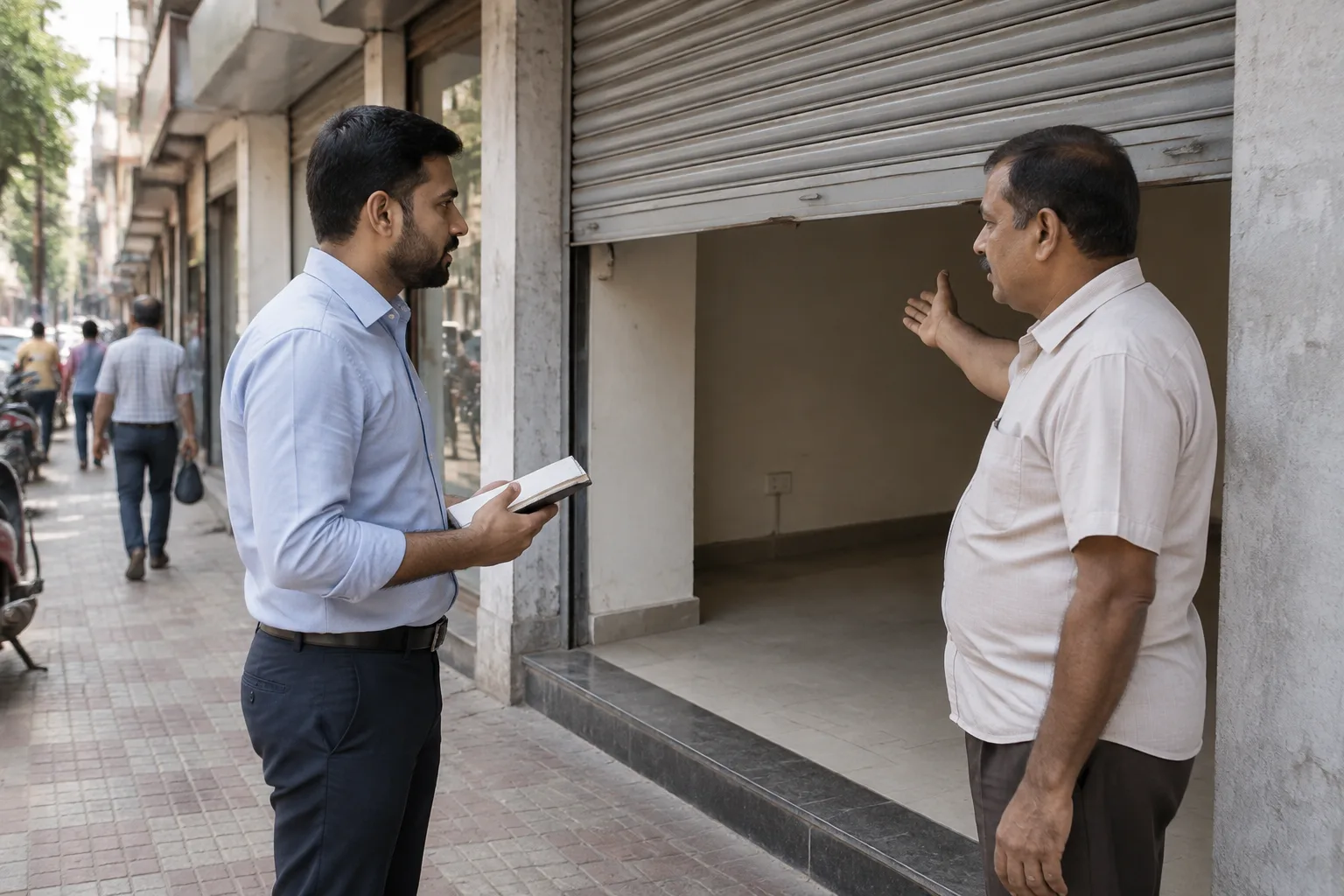
It is natural to feel reassured by a brand’s impressive-looking outlets. But before buying a franchise, you also need to know which outlets have closed, where ownership has changed and why. The experiences of former and current franchisees are an important part of your due diligence. The aim is not to treat every closed shop as evidence of a failing brand, but to identify circumstances that could also affect your investment.
1. Why you need to ask for information in India
India has no dedicated franchise law or central franchise registration system. Nor are franchisors required to provide a prescribed franchise disclosure document before a sale. Do not assume, therefore, that you will automatically receive a list of closed outlets, or that you can fully verify it through a government franchise register.
This does not mean a franchisor is free to provide false information. The provisions of the Indian Contract Act, 1872 relating to free consent, fraud and misrepresentation apply. If you are induced to enter into a contract by a misrepresentation, the remedies available depend on the facts and the applicable legal requirements; not every omission automatically entitles you to a refund.
Depending on the arrangement, the Competition Act, 2002, the Trade Marks Act, 1999, and applicable tax and local business laws may also be relevant. However, these laws are no substitute for obtaining a list of closed outlets. Request the information you need in writing and use it to inform your decision.
2. Ask for the full outlet history, not just the numbers
A brand’s claim that it has outlets across several cities is not enough. Ask for information covering a defined period—for example, the past three years. This is the scope you choose for your due diligence, not a statutory disclosure period. For a new brand, request details from the outset.
Ask for a table recording:
- Each outlet’s city, neighbourhood and opening date.
- Whether it was company-operated or run by an independent franchisee.
- Its current status: trading, temporarily closed, permanently closed or relocated.
- The date and stated reason for any change of ownership.
- Whether the company took over the same outlet after the franchisee stopped operating it.
- The available evidence supporting the reason for each change, and the date the information was last updated.
Count new openings separately from relocations of existing outlets. Similarly, an outlet that is still trading is not necessarily still run by its original franchisee. The address and signage may remain unchanged after a change of ownership.
If your request is refused, ask whether aggregated information can be provided with personal details removed. There may be genuine confidentiality constraints, but consistently vague answers warrant extra caution.
3. Speak respectfully with former franchisees
Do not ask the franchisor to introduce you only to successful operators it has selected. Request introductions and help contacting operators across different cities, those running established and newly opened outlets, and those who have left the business. Do not insist on anyone’s private contact details being shared without their consent; the brand can first ask whether they are willing to be introduced.
Use a consistent set of questions:
- When did you start operating, and when did you leave?
- What was the main reason for closing or selling?
- Was the problem specific to that location, or did it also affect other outlets?
- Was the decision voluntary, had the agreement ended, or were there other circumstances?
- What did you overlook when choosing the franchise that you would now make sure to investigate?
Do not base your final conclusion on the account of a single disgruntled former operator or enthusiastic current one. Where possible, cross-check dates and events against available documents. Obtain permission before recording conversations, and do not pressure anyone to share confidential documents.
Public map listings, older local announcements and site visits can provide useful clues. However, a map listing marked “permanently closed” is not conclusive evidence on its own: the outlet may have moved, or the listing may be out of date.
4. Use the information to inform your investment decision
For each closure, record three things: the stated reason, the evidence supporting it, and how closely the circumstances resemble those of your proposed outlet. For example, a shop closing because its building is being redeveloped is different from several operators repeatedly leaving the business in similar locations. This is a way to compare circumstances, not to assign blame automatically.
Avoid direct comparisons between incomplete reporting periods or networks of different sizes. Rather than drawing conclusions from the total number of closures alone, consider how long the outlets operated, which formats were affected and whether the same problem kept recurring.
If you find discrepancies, give the franchisor an opportunity to explain them in writing. Record the date of important responses and the position held by the person providing them. Ask a lawyer how facts essential to your decision can be incorporated into a schedule to the agreement or expressed as clear written representations, and what remedies can be agreed if they prove incorrect.
Practical takeaway: Before investing, obtain the outlet history, speak independently with operators and secure written clarification of inconsistencies. A closed shop may be a warning sign; proceeding despite vague answers is a greater risk.
Sources
- Franchising Laws – India (2023)
- [PDF] India-Franchise.pdf - Legal 500 Country Comparative Guides 2025
- Franchising Comparative Guide - Legal 500
- भारत में फ्रैंचाइज़ गाइड और संसाधन | QFA
- Franchising in India: Law, Agreements, Competition & Cross-Border
- Need for Franchising Laws in India
- A Consumer's Guide to Buying a Franchise
- India: Franchise & Licensing – Country Comparative Guides