Buying a Franchise in India: How to Check the Shop Lease
Brand approval does not guarantee that you can legally use the premises for your business. Check the lease term, permissions and hidden costs against the franchise agreement.
Published
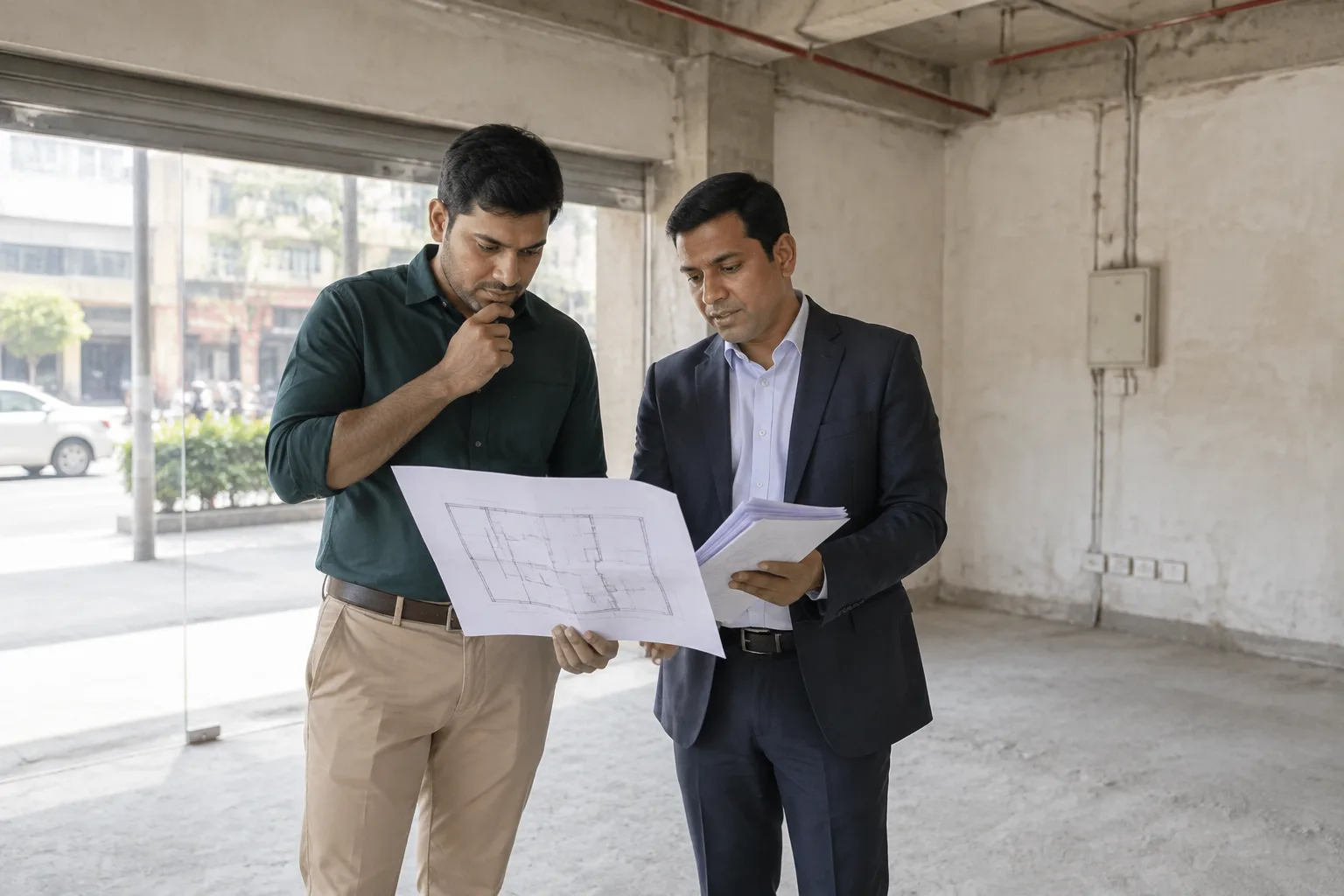
When buying a franchise, committing to a shop lease as soon as you find an attractive location can prove costly. Even if the brand approves the site, you may not be permitted to run your proposed business there. For a first-time franchise buyer, it is essential that the shop lease and franchise agreement work together. Conflicting timelines or obligations could leave you paying rent on a closed shop.
1. First, understand which laws apply
India has no separate, comprehensive central law governing franchising, mandatory franchise registration or prescribed pre-sale disclosure document. Do not therefore expect the brand to provide information about the premises automatically; ask for it in writing. This does not mean that rights under general law cease to apply.
The Indian Contract Act, 1872 sets out general rules on the formation, performance and breach of contracts. The Transfer of Property Act, 1882 and the Registration Act, 1908 are important for leases and their registration. You will also need to check the relevant state's stamp duty provisions, rent control laws and local building regulations.
In general, leases from year to year, leases for more than one year, and leases reserving an annual rent require registration. State provisions may impose additional requirements. Notarisation alone is not a substitute for mandatory registration. Ask a local property lawyer to check the type of document, stamp duty and registration requirements.
2. Verify ownership and permission to operate
Ask the landlord for ownership documents, identification, property details and evidence of their authority to sign. If the property is jointly owned, check that the necessary consents are in place. For company-owned property, obtain evidence of the signatory's authority. If the property is mortgaged or subject to another encumbrance, ask a lawyer what additional approvals are needed for the lease.
Next, check whether the premises can lawfully accommodate your proposed use and are suitable for it. A description of “commercial property” is not enough: food preparation, sit-down dining, children's activities or other specific services may have separate requirements.
- Check the approved building plans and available occupancy documents.
- Have a list drawn up of applicable fire safety requirements, local trading permissions and activity-specific licences.
- Check electrical capacity, water supply, drainage, ventilation and unloading facilities.
- Clarify the building management's rules on signage, opening hours and alterations.
The brand's approval of a location is not regulatory approval. Record which approvals the landlord will provide, which you must obtain and which are the brand's responsibility.
3. Compare the dates in both agreements
On one page, list the start date of your franchise rights, the handover of the premises, the fit-out period, the rent commencement date and the deadline for opening. Then add the expiry and renewal dates for both agreements.
If rent starts on handover but brand approval comes later, costs will accumulate before you make any sales. Negotiate a rent-free fit-out period and define exactly when it begins: when you receive the keys, when the premises are handed over in a usable condition, or on another agreed event.
There is added risk if the lease's minimum binding term is longer than your franchise rights. Conversely, a short lease may expire before you recover the cost of an expensive fit-out. Do not assume renewal is guaranteed; read the conditions, notice requirements and rent review provisions.
Agree in advance what happens if permission is refused, the landlord delays handover or the brand rejects the premises. Where possible, include conditions in the documents that must be met before the relevant payments become due or deadlines start to run.
4. Calculate the full cost beyond rent
The cost of premises goes beyond monthly rent. List the security deposit, maintenance charges, applicable taxes, electricity deposit, backup power, parking, registration, stamp duty and fit-out as separate items. For each payment, record the recipient, due date and refund conditions.
The lease should make clear who pays property tax, outstanding arrears, structural repair costs and routine maintenance. How will rent increases be calculated? If maintenance charges can change, ask for the right to inspect the calculations or supporting documents.
Include a separate allowance for delays in approvals and building work in your initial cash-flow plan. If you need a loan for the fit-out, compare the loan term with the period for which your right to occupy the premises is secured. Understand the risks before taking out a long-term loan against a short or uncertain lease.
5. Keep written evidence of handover and improvements
At handover, prepare a jointly agreed schedule of condition with photographs. Record meter readings, existing damage, facilities provided and unfinished work. This can help reduce later disputes over deductions from the deposit.
Also agree who will own installed equipment, which fit-out elements may be removed and how far the premises must be reinstated when you leave. If the brand is the main tenant and you are taking a sublease, check that the head lease permits it and that any necessary landlord consent has been obtained.
Practical takeaway: Have the lease and franchise agreement reviewed together before signing. Commit to the premises only once ownership, permitted use, timelines and total occupancy costs are clear.
Sources
- India
- FRANCHISE
- Need for Franchising Laws in India
- Franchising in India: Law, Agreements, Competition & Cross-Border
- Franchise Agreement Review: A Legal Vetting Guide for ... - Treelife
- Franchising Comparative Guide
- India Franchise & Licensing Contributor G&W Legal
- India: Franchise & Licensing – Country Comparative Guides