Buying a Franchise in India: Check the Premises Approvals
Brand approval is not government authorisation. Before buying a franchise, check the permitted use of the premises, local licences and who is responsible for compliance.
Published
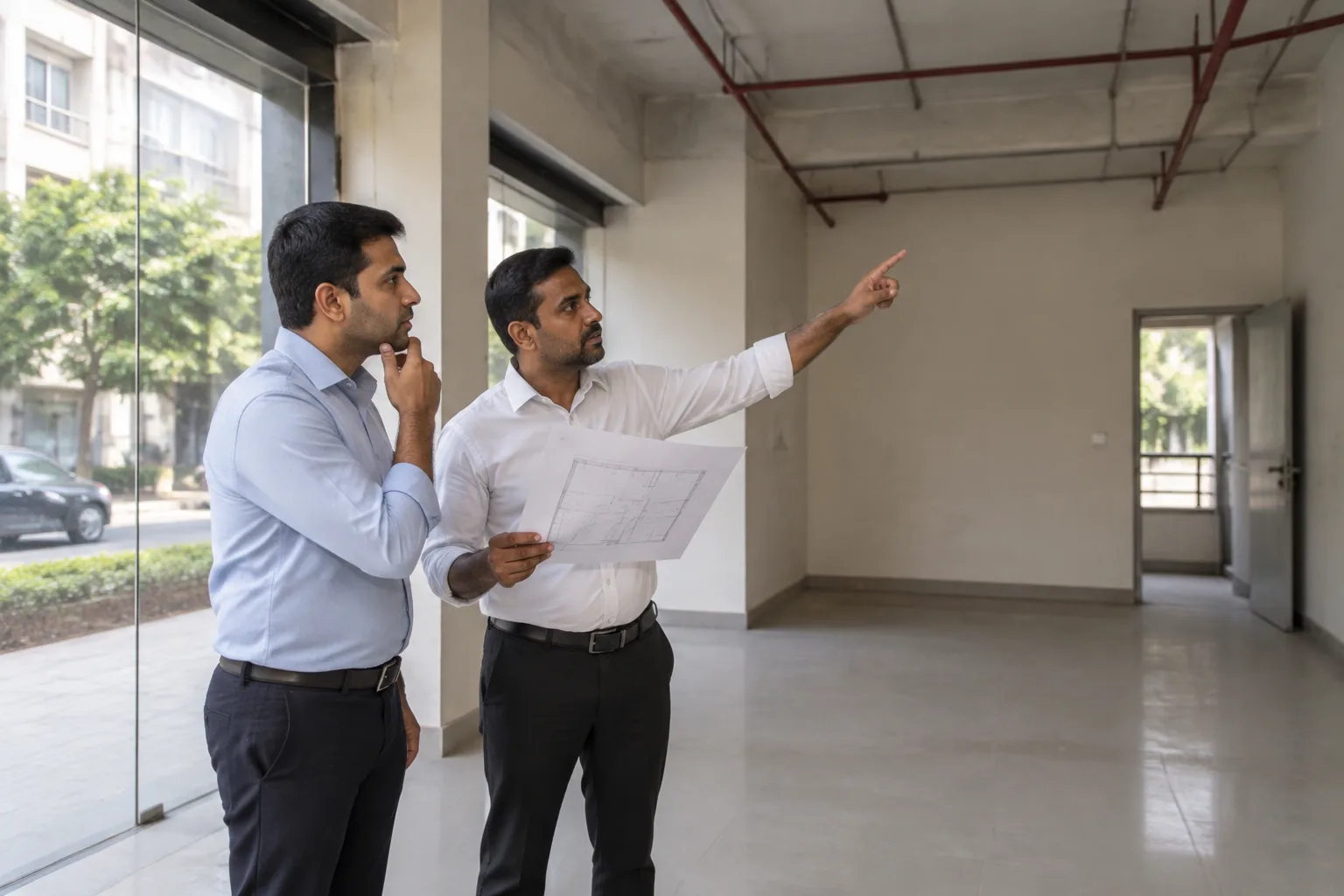
Finding a good location and a popular brand does not necessarily mean you can legally run your proposed business from those premises. First-time franchise buyers often assume that the brand’s approval of a site is enough. However, food businesses, retailers and service providers may need separate approvals relating to both the premises and their activities. Before making a substantial payment, check which approvals are required, who will obtain them and what evidence will confirm they have been granted.
1. Brand approval and legal permission are different
India has no dedicated central franchise law, mandatory franchise-specific government registration or prescribed pre-sale disclosure document. This does not mean that franchised outlets are exempt from general business rules. The Indian Contract Act, 1872 provides the main legal framework for agreements, free consent, performance and breach. Rules on fraud and misrepresentation also apply.
Operations may be subject to state Shops and Establishments laws, local municipal rules, building and fire safety requirements, and applicable tax laws. Food businesses must also check the applicable registration or licensing requirements of the Food Safety and Standards Authority of India under the Food Safety and Standards Act, 2006.
A brand may approve a location based on footfall, visibility or suitability for its outlet format. That approval is no substitute for the premises having the correct permitted use, complying with building requirements or holding the necessary business licences. Similarly, a landlord’s consent does not, by itself, amount to government authorisation.
Question to ask: Has the brand assessed only the site’s commercial suitability, or has it also reviewed local compliance documents? Obtain a written answer.
2. Check the documents for your chosen premises
Start by clearly listing the proposed activities. Simply describing the business as a ‘café’ or ‘retail shop’ is not enough. Will food be prepared on site? Will there be seating? Will goods be weighed, or external signage installed? Different activities may require different approvals.
Next, ask the landlord or their authorised representative for the relevant documents and have a local specialist check them against your plans:
- Permitted use: Is the proposed activity allowed at the premises? Similar shops nearby are not proof that it is.
- Building records: What is the status of the approved building plan, occupancy documents and any applicable fire safety approval?
- Technical suitability: Do the proposed electrical load, water supply, drainage, ventilation and kitchen arrangements meet the approval requirements and conditions governing the premises?
- Signage and alterations: Whose consent or approval is needed for external signs, escape routes or internal building work?
- Existing documents: Which operator, activity and address did the previous outlet’s licence cover? Can it be used under the new arrangements?
Check each document’s date, validity, address and issuing authority. Do not assume that a previous operator’s licence will automatically transfer to a new buyer. Where available, verify the details against the issuing authority’s official records.
3. Create an approvals checklist for your outlet
Do not rely on a single checklist for the whole of India. Requirements vary by state, municipality, premises, business type and applicable thresholds. Ask a local lawyer or compliance specialist to prepare an outlet-specific checklist.
This may include checking state Shops and Establishments registration or notification requirements, local trade permissions, food business approvals, fire safety, Goods and Services Tax registration and other applicable requirements. Activities involving packaged goods, weighing equipment or imports may also bring legal metrology or import rules into play. Not every requirement applies automatically to every outlet.
For each applicable item, record:
- whose name the application will be made in and who will submit it;
- which documents the brand or landlord will provide;
- who will pay government fees and professional support costs;
- who will retain evidence that approval has been granted;
- who will be responsible for renewals or notifying changes.
Base cost estimates on a written fee schedule or quotation. If a package claims to include ‘all licences’, ask for a breakdown of the approvals covered and any exclusions. Do not treat an application receipt as final approval.
4. Include responsibilities and verification in the contracts
A franchise agreement stating only that ‘the franchisee must comply with all laws’ does not guarantee the support needed to do so. If an application requires a letter of authorisation from the brand, an outlet layout plan or the landlord’s building documents, the agreement should also specify who must provide them and by when.
Negotiate for confirmation of the premises’ permitted use before making unconditional rental or construction commitments. Ensure that the franchise agreement and lease take a consistent approach to payments, rent and work already carried out if a required approval cannot be obtained. These protections are not automatic; they must be expressly agreed.
Carry out a final check of all applicable approvals before opening. If the activities, outlet size, kitchen or operator later change, check whether the relevant approvals need amending. If you entered into an agreement on the basis of false assurances, the remedies available will depend on the facts and evidence. Keep all correspondence and seek legal advice.
Practical takeaway: Define your activities first, then verify the premises documents and applicable approvals. Alongside the brand’s approval, keep a written record of responsibilities, costs and valid authorisations.
Sources
- भारत में फ्रैंचाइज़ी खरीदें: करार किसके नाम पर करें?
- Need for Franchising Laws in India
- [PDF] India-Franchise.pdf - Legal 500 Country Comparative Guides 2025
- [PDF] India - International Franchise Association
- [ARCHIVE] India — Franchise Laws and Regulations 2025 - ICLG
- India: Franchise & Licensing – Country Comparative Guides
- Q&A: offer and sale of franchises in India
- atblegal.com › india › commercial-ipFranchising in India: Law, Agreements, Competition & Cross-Border