SPAR refurbishes four Hungarian stores as franchise network reaches 316 outlets
SPAR has invested almost HUF 3.2 billion in modernising four stores in Hungary. Its Hungarian network included 316 franchise outlets at the end of 2025.
Published
Four SPAR stores in Hungary have been refurbished in an investment totalling almost HUF 3.2 billion, SPAR Hungary told the Hungarian news agency MTI, according to a Profitline report published on 19 November. The work covered the INTERSPAR hypermarket in Pécs’s Árkád shopping centre, one supermarket in Gödöllő and two in Budapest. For readers considering Hungary’s franchise market, the network’s structure provides important context: at the end of 2025, 316 of the country’s 647 SPAR-branded stores operated under the franchise programme.
Almost half of all stores operated under the franchise model
At the end of 2025, SPAR Hungary had 331 company-operated stores and 316 outlets in its franchise programme. Together, these made up its 647-store Hungarian network. Franchise outlets therefore accounted for almost 49% of stores, with company-operated locations outnumbering them by just 15.
This proportion reflects store numbers, not the distribution of revenue, sales floor space or customer traffic. The scale of the franchise presence should therefore be understood precisely as the figures indicate: almost half of Hungary’s SPAR-branded shops belonged to the partner network at the end of the specified year.
The store modernisation announced in November and the year-end network figures are separate pieces of information. The four refurbishments should not automatically be treated as investments by franchise partners, nor should the almost HUF 3.2 billion be presented as a development budget for the franchise programme. The announcement reported investments by SPAR Hungary, while the network figures describe the composition of its entire Hungarian store estate.
Pécs accounted for the largest share of investment
Of the four locations, the modernisation of the INTERSPAR hypermarket in Pécs’s Árkád shopping centre represented the largest disclosed investment. SPAR Hungary spent HUF 1.984 billion on this store alone, more than half of the total announced for the four refurbishments.
The Pécs location is a hypermarket, whereas the other three stores are supermarkets. This distinction matters when comparing investment figures: the disclosed amounts do not, on their own, establish the typical cost of refurbishing a store of any particular size or format.
The announcement concerns the modernisation of existing stores, not four new openings. The investment package therefore does not imply an increase in the number of stores in Hungary. Investment value and network size answer different questions: the former shows the financial scale of the work announced, while the latter describes the brand’s recorded presence in the country.
Gödöllő refurbishment covered both the exterior and store fittings
The company invested HUF 604.6 million in its Gödöllő supermarket. The work included the store’s exterior and car park, so the modernisation extended beyond the shop floor.
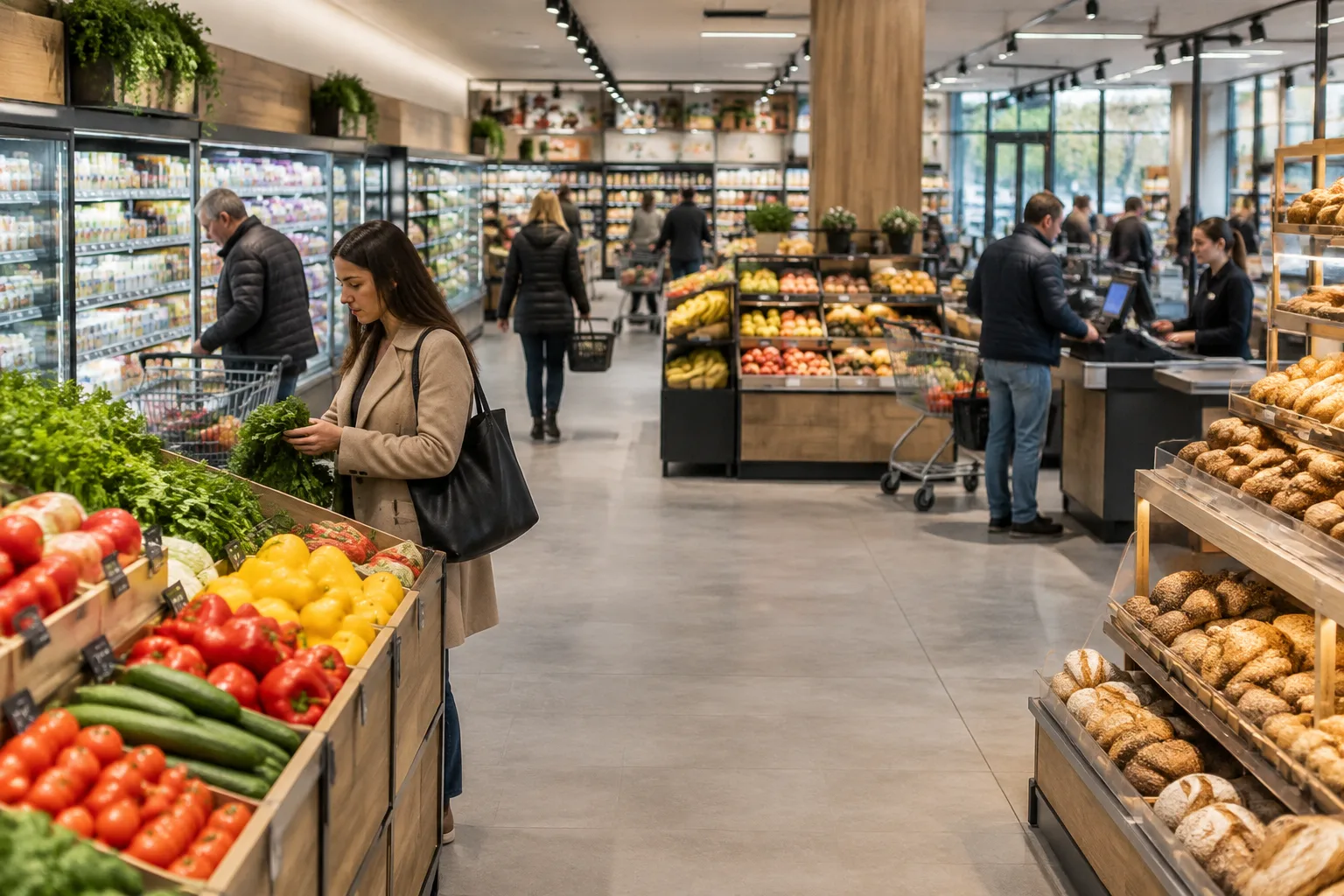
New refrigeration equipment, fruit and vegetable displays, bakery display units and checkouts were installed in the sales area. These upgrades covered several aspects of day-to-day retail operations, from chilled storage and fresh produce displays to bakery merchandising and payment facilities.
For franchise store operators, the Gödöllő example illustrates how a single refurbishment can combine improvements to the surrounding premises with new interior fittings. However, the announced investment relates to this particular supermarket; it should not be treated as a standard franchise start-up cost or a refurbishment estimate applicable to other stores.
The programme also covered two SPAR supermarkets in Budapest. The report specified an investment of HUF 300 million for the refurbishment of the store in District XI. The four locations together make up the almost HUF 3.2 billion development package; they were not four projects of equal cost.
What should franchise partners consider?
This announcement matters for two distinct reasons. First, it describes substantial investment in store refurbishments across several cities. Second, the accompanying network figures show that, by store count, the franchise programme was almost as large as the company-operated network.
For a prospective or existing partner, however, the size of the brand’s overall network is a separate issue from the investment obligations attached to their own store. The figures presented do not establish a partner’s return on investment, how costs are shared or whether there is a mandatory refurbishment schedule. These points need to be clarified separately when assessing a specific partnership.
Practical takeaway: when planning store improvements, ask for separate cost estimates for exterior works, refrigeration, merchandise displays and checkouts. News about network investment provides useful context, but it is no substitute for a technical and financial plan tailored to the individual franchise outlet.