Franchise Outlet Licensing in Egypt: A Compliance Plan Before Expansion
How to map licensing requirements for franchise outlets in Egypt and assign responsibility for obtaining and renewing licences before committing to opening dates or collecting fees.
Published
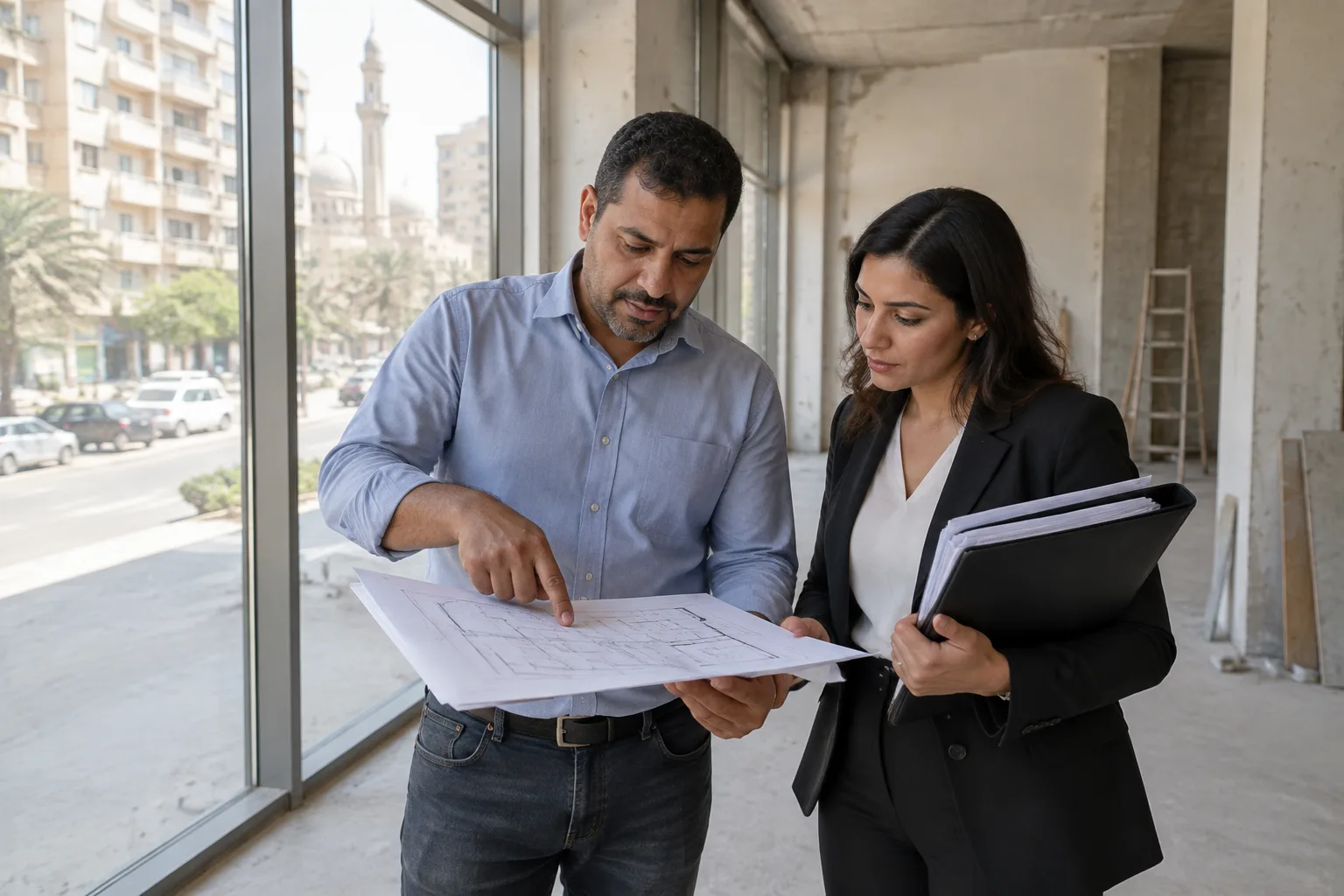
The success of your existing business does not mean its licences automatically extend to every outlet trading under your brand. When expanding through franchising in Egypt, each business needs a legal review based on its activity, location and operator. Before offering a franchise opportunity, map out the licensing requirements: what is needed, who must obtain it, what evidence demonstrates compliance, and what happens if approval cannot be secured? This protects both parties against a premature opening or investment in premises that cannot legally accommodate the business.
Separate franchise rights from permission to operate
A franchise agreement gives the franchisee contractual rights, such as using the trade mark and operating system within agreed limits. It is not government permission to carry on the business, nor does it replace a premises licence or any approvals required for the particular activity. Similarly, having a commercial registration and tax card does not establish that all operating requirements have been met.
Egypt has no standalone franchise law, nor a general system for registering franchise agreements or a mandatory franchise-specific disclosure document. The relationship is governed by general legal rules, including Civil Code Law No. 131 of 1948 and Commercial Law No. 17 of 1999. Intellectual Property Rights Protection Law No. 82 of 2002 governs trade mark rights and licensing. The technology transfer provisions of the Commercial Law, including their associated obligations, may also apply if the relationship meets the relevant criteria.
Licensing for the outlet itself depends on its activity and location. Relevant legislation includes Public Shops Law No. 154 of 2019 and its executive regulations, for premises within its scope, alongside any sector-specific laws and approvals. A valid franchise agreement does not remove these requirements, and a licence for your original outlet does not establish that another location is suitable.
Turn your existing outlet’s paperwork into a requirements map
Start by gathering the licences for your existing business, but treat them as a starting point rather than a checklist that fits every situation. Review the purpose and scope of each document with a local specialist: does it relate to the company, the premises, equipment or staff? Is it tied to a particular address or a responsible person with specific qualifications?
Create a practical table covering the following for each requirement:
- The name of the licence or approval and the responsible authority.
- The person or entity in whose name the document must be issued.
- The premises requirements and documents needed for the application.
- The stage at which it must be satisfied before operations begin.
- Its validity period and any renewal or amendment requirements.
- The evidence of compliance the franchisee must retain and the franchisor must review.
Distinguish confirmed requirements from matters that need further enquiries. Conditions may vary according to the type of activity, the classification of the premises or the nature of the property. For food businesses, for example, check the National Food Safety Authority’s requirements for the particular activity rather than assuming that the premises licence covers everything.
Do not give a prospective franchisee a generic list of documents and present it as a comprehensive statement of legal obligations. Some documents may be internal requirements for selecting franchisees rather than government requirements for operating the business. Separating the two makes your offer clearer and avoids collecting unnecessary paperwork.
Allocate responsibilities before incurring costs that are difficult to recover
Set out in the agreement or a dedicated schedule who will gather documents, submit applications and pay official fees, consultancy costs and the cost of necessary alterations. The franchisee will often handle the procedures for their own business, while the franchisor supplies the trade mark documents and technical specifications available to them. The final allocation, however, should reflect the practical circumstances and the nature of the activity.
If the franchisor promises assistance, define it precisely. Does it cover reviewing the application file, supplying plans or liaising with a consultant? Avoid promising to ‘obtain all licences’ unless you have the legal authority and practical ability to do so. Your internal approval of an outlet must not be treated as a substitute for approval from the relevant authority.
Where the transaction allows, link financial commitments to clear verification milestones. Before ordering specialist equipment or undertaking an expensive fit-out, check any requirements that could affect the design. If certain procedures require work to be completed first, document the risk, cost and responsible party rather than promising that approval is guaranteed.
Also establish a process for delays or refusals: written notice, sharing the reasons for the decision, an agreed period to remedy deficiencies, and then a decision on the future of the relationship and any sums paid, based on the cause of the problem. Distinguish between a missing document on the franchisee’s side, unsuitable specifications supplied by the franchisor, and an administrative decision outside either party’s control. Have the wording legally reviewed, and do not assume that every delay justifies the same penalty.
Make licence monitoring part of ongoing operations
Before opening, review the final documents, the authorised scope of activity, the address and the licence holder’s name. A receipt confirming submission of an application is not necessarily permission to operate; its legal effect must be checked in the particular circumstances. Keep organised copies and designate a contact on each side to receive observations and official notices.
After opening, maintain a register of renewal dates and recurring requirements, and require the franchisee to notify the franchisor of any warning or decision affecting continued operation. Before adding an activity or changing the outlet’s floor area or equipment, check whether approvals need to be amended. Changes to the business model may have licensing implications.
Practical takeaway: Before awarding your first franchise, prepare a licensing map that can be adapted to each location, linking every requirement to a responsible party, evidence of compliance and a review date. The brand opens the door to collaboration, but proper licensing is what allows the outlet to operate on a sound legal footing.