Buying a Franchise in Egypt: Who Pays for Outlet Upgrades?
Your outlet may need upgrading before you have recovered your investment. Learn how to assess the franchisor’s power to require changes and negotiate their cost and timing.
Published
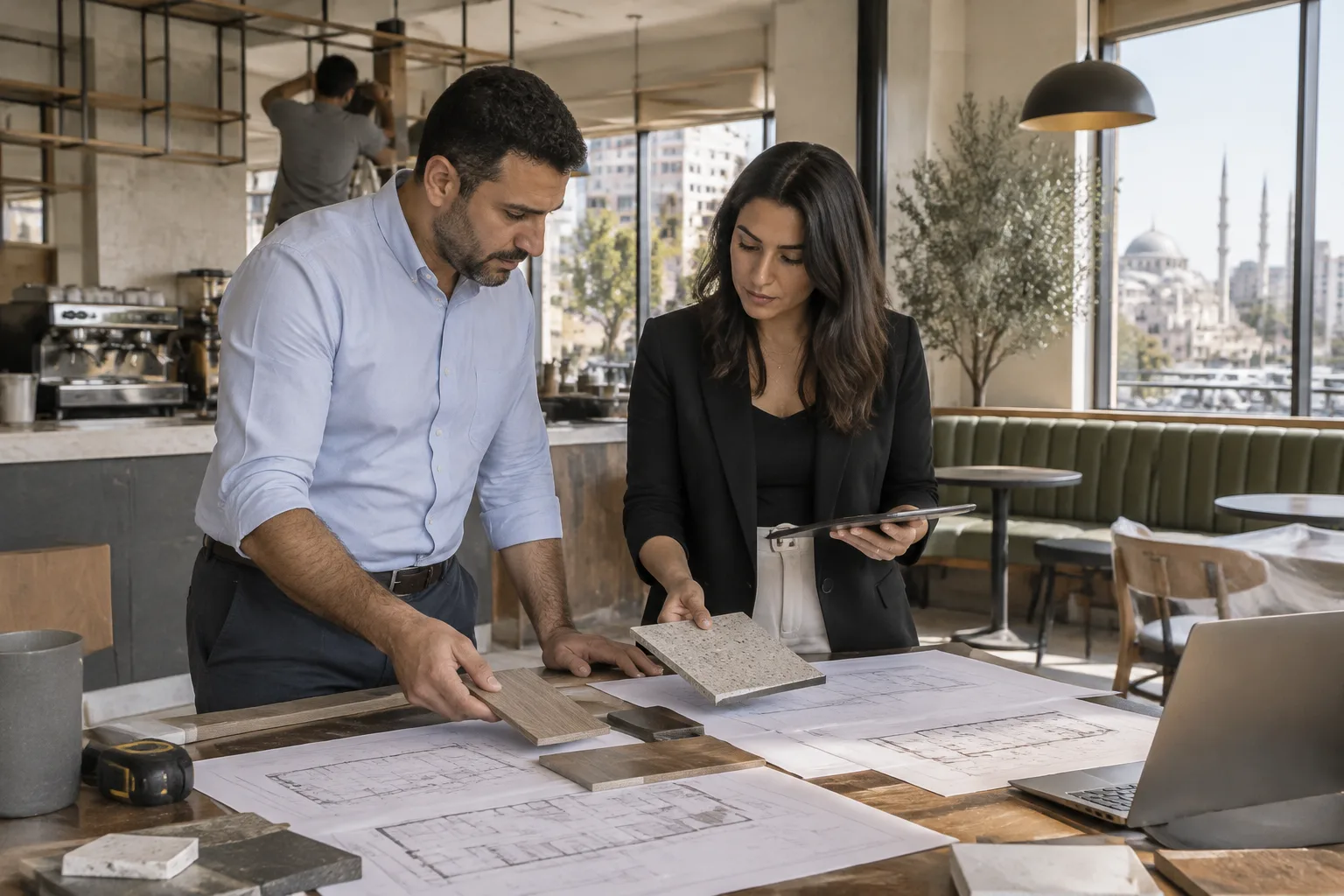
When buying a franchise in Egypt, the initial fit-out budget may look clear, while the cost of upgrading the outlet during the contract term remains open-ended. Replacing furniture, signage or equipment may be necessary to maintain the customer experience, but it can put pressure on your cash flow if imposed unexpectedly. A balanced franchise relationship needs written rules that allow the brand to evolve without turning every upgrade into an unbudgeted financial commitment for the franchisee.
1. Find out where upgrade obligations are hidden
Do not look only for a clause headed ‘refurbishment’. The obligation may appear in wording such as ‘compliance with the latest brand standards’ or ‘implementation of the operations manual and any amendments’. If the franchisor can change those standards unilaterally, the consequences may go beyond adjusting a day-to-day procedure to buying new equipment or redesigning the outlet’s layout.
Request a dated copy of the current fit-out specifications and a list of the equipment and assets you must buy. Then ask in writing about any announced or planned upgrades, and whether the fittings and equipment you buy now will still be acceptable when you open. Do not rely on a verbal assurance that the design is ‘up to date and unlikely to change soon’.
Divide the proposed obligations into three categories:
- Maintenance and replacement due to normal wear and tear or misuse.
- Changes needed for safety or to meet applicable legal requirements.
- Commercial or cosmetic upgrades introduced by the franchisor to develop the brand identity.
This distinction does not automatically exempt you from any costs. It does, however, prevent every request from being treated as routine maintenance and helps establish different rules for approval, funding and implementation.
2. Understand the legal framework in Egypt
Egypt has no standalone law governing franchising, no general regime requiring a standard franchise disclosure document, and no dedicated body for registering franchise agreements. Do not therefore assume that special protections automatically prevent the franchisor from requiring costly upgrades or oblige it to compensate you for them.
Depending on its substance, the relationship is governed by Civil Code Law No. 131 of 1948, including its principles on the binding force of contracts and performance in good faith, and Commercial Law No. 17 of 1999. The technology transfer provisions in the Commercial Law may apply if the relationship meets the relevant conditions, bringing specific obligations with them. The absence of a general franchise disclosure requirement does not remove those obligations where they apply.
In practice, ask an Egyptian lawyer to review the enforceability of any clause allowing standards to be changed, and the limits on incorporating a manual that the franchisor can amend later. Do not treat good faith as a substitute for contractual provisions covering costs, notice and objections. Safety and licensing requirements remain applicable according to the outlet’s activities, and your agreement with the franchisor cannot override them.
3. Calculate the full cost, not just the equipment price
Request a technical description of each potential upgrade, then obtain an independent estimate wherever possible. The purchase price is only part of the burden: you may need additional electrical work, ventilation changes, the removal and relocation of existing fittings, or staff training on different equipment.
Prepare a cost schedule covering:
- The price of new assets, installation and associated works.
- The cost of disposing of old assets or their expected resale value.
- Ongoing expenses while the outlet is closed, such as rent and wages.
- The effect of closure on cash flow, without confusing lost sales with lost profit.
- Financing costs and subsequent maintenance of the new fittings and equipment.
Test one scenario in which an upgrade is required halfway through the contract term, and another in which it comes near the end. If the remaining term does not give you a reasonable opportunity to recover the investment, this is a key negotiating point, not automatic evidence of a right to compensation. Ask for the commercial rationale for the change too: claims about increased sales do not make that increase a guaranteed outcome.
4. Negotiate enforceable limits
Rather than seeking a complete ban on upgrades, propose a clear process that takes both parties’ interests into account. Start with written notice setting out the scope of works, specifications, required completion date, estimated cost and reasons why the outlet must comply. Distinguish between urgent safety matters and commercial upgrades that can be scheduled.
Negotiating options include a period after opening during which no fit-out changes can be required, a cap on mandatory expenditure within a specified period, or a requirement for written consent to works exceeding the agreed limit. Also specify how successive requests will be handled, so that a single upgrade project cannot be split into smaller demands that circumvent the agreed protection.
If a request comes near the end of the contract, discuss postponing it, phasing the work or securing a contribution from the franchisor. A reduction in certain fees during closure could also be considered if both parties agree. These are proposed contractual rights, not benefits that the law automatically grants every franchisee.
5. Document approvals before committing expenditure
Agree who approves the final design, how compliance with the specifications will be documented, and who pays for rework if the franchisor changes its instructions after approval. Keep approvals, drawings and handover records, and establish a procedure for discussing technical or financial disputes before placing non-cancellable purchase orders.
Practical takeaway: Before signing, request the current fit-out and equipment list, details of known upgrades, and a written process governing notice, costs and implementation. Knowing what it costs to open the outlet is not enough; you also need to know who has the power to require changes and how you will fund them.
Sources
- Franchise Agreements In Egypt: The Complete Legal Guide For ...
- Egypt - Franchising - export.gov
- Franchising in Egypt: Legal Navigation for International ...
- دليلك الكامل للحصول على الفرنشايز (حق الامتياز التجاري) فى ...
- Franchising In Egypt - Legal 500
- A Brief Guide To Franchise In Egypt
- الأمتياز التجاري
- Franchising in Egypt 2026: No Franchise Law, Four Contract ...