Buying a Franchise in Egypt: Check the Premises and Licensing Before Signing a Lease
A franchisor’s approval of a site does not mean it can be licensed. Learn how to assess the premises and align your lease and franchise agreement before committing to fit-out costs.
Published
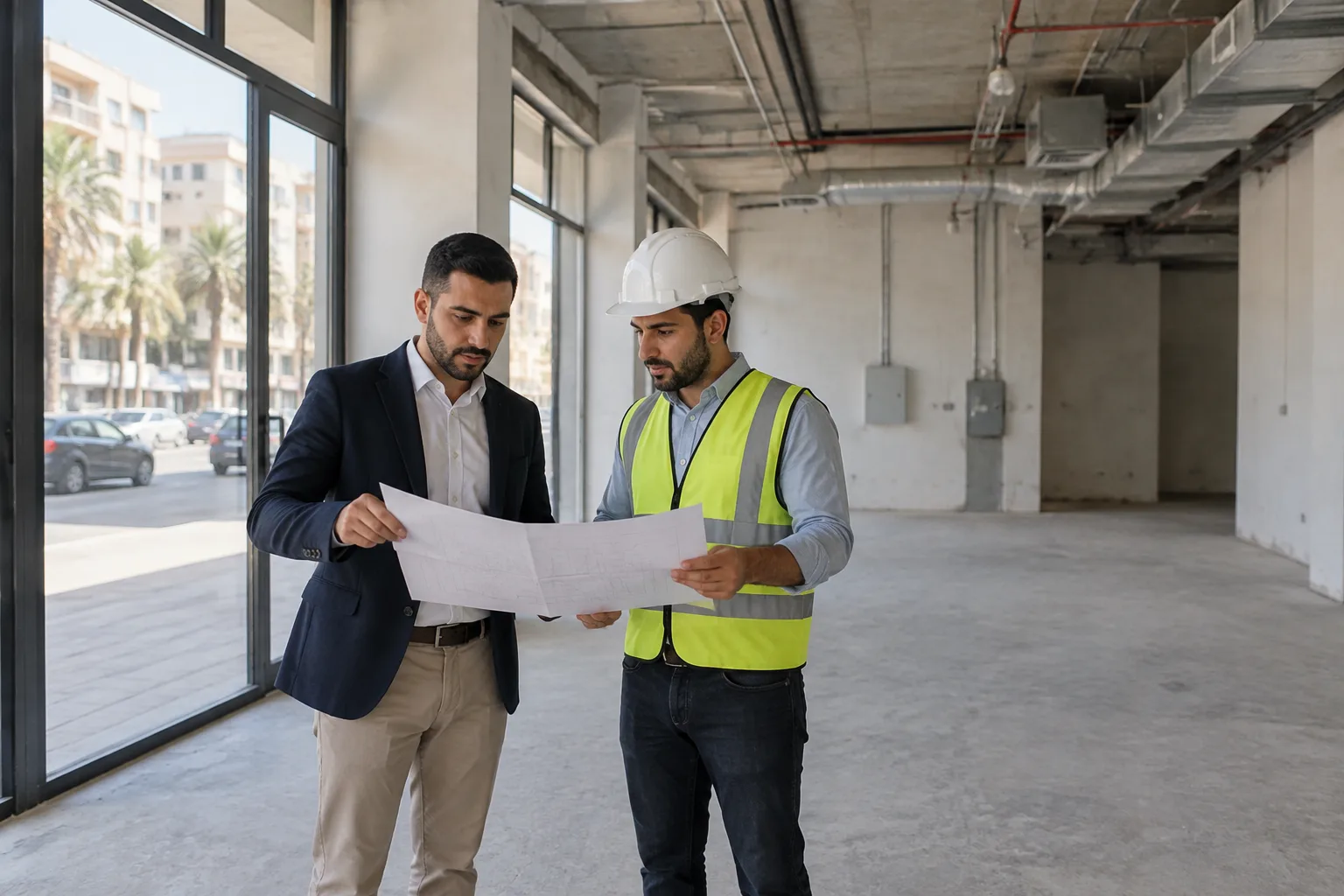
You may choose the right brand, only for the deal to stall because the premises are unsuitable for the business or the lease does not permit the alterations you need. When entering Egypt’s franchise market, do not treat a site as merely an address: it represents a legal, financial and operational commitment. This guide helps you assess the premises and coordinate franchisor approval, licensing and the lease before spending sums you may struggle to recover.
1. Separate franchisor approval from the site’s legal suitability
A franchisor will usually assess a site’s floor area, frontage, customer footfall and suitability for its operating model. However, its commercial approval does not replace approval from the relevant authorities, nor does it establish that the landlord has the right to let the premises for your intended business activity.
The franchise financing procedures published by Egypt’s Micro, Small and Medium Enterprise Development Agency include an inspection of the proposed site by the franchisor to approve it and check that it meets the brand’s specifications. This is a step in that service’s procedures, not a general licence for the premises or a guarantee that applications to operate will be approved.
Request written approval from the franchisor stating the unit’s address, floor area and approved layout, and whether approval is final or conditional. Also ask whether the franchisor can withdraw approval after fit-out work has begun, and what changes would require the site to be approved again.
Create a separate file containing the landlord’s title deed or evidence of their right to let the property, the signatory’s authority to sign, details of the unit and its use, and any previous licences. Do not assume that a licence for a previous business activity covers your new activity or transfers to you automatically; check the required procedure with the relevant authority.
2. Understand the Egyptian rules governing your decision
Egypt does not have a standalone, comprehensive franchise law requiring a standard disclosure document or general registration of franchise agreements as such. Do not therefore apply another country’s disclosure or registration requirements to your Egyptian transaction, or treat a published checklist of commercial procedures as a local legal obligation.
Depending on its nature, the relationship is governed by the general rules of Civil Code No. 131 of 1948 and Commercial Law No. 17 of 1999. Intellectual Property Rights Protection Law No. 82 of 2002 applies to the intellectual property elements. The technology transfer provisions of the Commercial Law may also apply if the agreement falls within their legal scope. This calls for specialist review, rather than an assumption that all franchise agreements are the same.
The premises may fall under Public Shops Law No. 154 of 2019 and its Executive Regulations, if they are within its scope, alongside requirements specific to the business activity and the relevant authorities. Food businesses may need to complete procedures with the National Food Safety Authority, depending on the type of establishment. Ask a lawyer and an engineer to identify the actual requirements for the premises, rather than relying on a statement that they are ‘suitable for licensing’.
The absence of franchise-specific disclosure requirements does not prevent you from making the provision of site documents and specifications a condition of your final commitment. However, your rights if the project runs into difficulties depend on the contract, the facts and the applicable law; you are not automatically entitled to recover everything you have spent.
3. Carry out a technical assessment before costing the fit-out
Visit the site with an independent engineer, taking the brand’s written requirements with you. The aim is not to judge how attractive the finishes are, but to establish whether the operating model is feasible without prohibited alterations or unforeseen costs.
Depending on the business activity, check:
- Available electrical capacity, equipment requirements and whether capacity can be increased.
- Water supplies, drainage, ventilation and routes for extracting air and odours.
- Escape routes, Civil Defence requirements and safety measures.
- Whether signage, external equipment units and operating equipment can be installed.
- Delivery access, storage, waste management and permitted delivery times.
- The boundaries of the leased premises and whether any outdoor areas are actually included.
Request a report distinguishing between work needed for licensing, work required by the franchisor and optional improvements. Then obtain quotations that clearly state exclusions and responsibility for securing approvals.
Previously fitted-out premises may appear cheaper, but changing their use or removing existing fittings could reverse that calculation. Also allow for rent during the works, design and inspection fees, utility deposits and the cost of reinstating the premises to the agreed condition. These are the costs of making the site suitable for use, not merely decorating it.
4. Align the lease with the franchise agreement
The riskiest arrangement is to sign a binding lease that starts immediately while site approval or the feasibility of licensing remains uncertain. With your lawyer’s help, negotiate either conditions that must be met before your final commitment takes effect, or a clear contractual right to terminate if those conditions cannot be met within an agreed period.
The wording should address the following points:
- Permitted use: A precise description allowing the intended operation, rather than broad wording that could lead to a dispute.
- Alterations: Written consent for the necessary works and a clear allocation of their costs.
- Timing: Coordination of the fit-out period, rent commencement date and binding opening date in the franchise agreement.
- Inability to obtain a licence: The document needed to establish this, the notification procedure and what happens to sums already paid.
- Lease term: Confirmation that the lease is long enough to fulfil the operating commitments agreed with the franchisor.
Do not rely on a verbal promise from the landlord to cooperate or from the franchisor to postpone opening. Put the obligations in the appropriate document, and specify who is responsible for each approval and its deadline. If the premises are in a shopping centre, review the operating rules, service charges and restrictions on works alongside the lease.
The practical takeaway: Before committing to a lease and fit-out, obtain the franchisor’s written approval, a legal assessment of the licensing process and a technical report setting out the costs. Then ensure your contractual commitments reflect the findings of those checks. The right site is one you can operate legally and practically, not simply one you like the look of.
Sources
- الامتياز التجاري
- الأمتياز التجاري
- الامتياز التجارى (الفرنشايز) للمطاعم والمقاهى تأهيل العلامات التجاريه - ضيافة بزنس مستشار الأمتياز
- جمعية الامتياز التجاري مصر | دليل الامتيازات | QFA
- دورة تدريبية عن نظام الامتياز التجاري
- عقد الامتياز التجاري (الفرنشايز) في مصر
- فرنشايز (الامتياز التجاري) - دليل شامل | منصة صبّار
- كيف آخذ فرنشايز - دليل شامل | منصة صبّار