Buying a Franchise in Egypt: How to Assess Whether a Location Fits the Brand
Franchisor approval does not guarantee a successful outlet. Learn how to assess demand, access and competition, and document the basis for site approval before committing.
Published
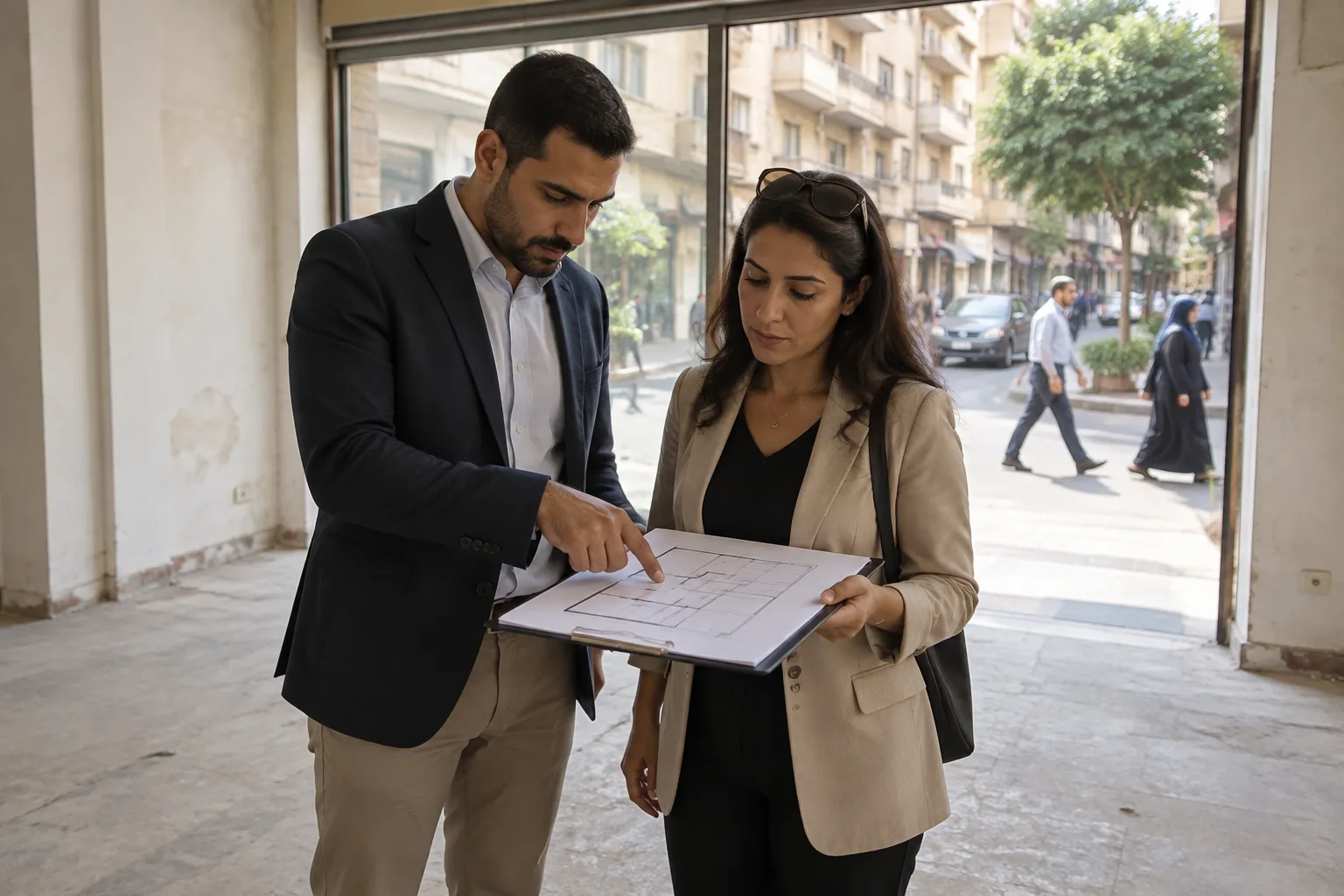
A brand may be well known and the premises attractive, yet the two may still be a poor match. When buying a franchise in Egypt, assess the location as a small market with its own customers, habits and constraints, rather than simply a space that accommodates the brand’s design. The franchisor’s experience can help with site selection, but it is no substitute for an independent assessment of why people would buy from this particular outlet.
Separate franchisor approval from site viability
Start with a direct question: what does ‘the site is approved’ actually mean? It may mean that the frontage and floor area can accommodate the required design, or that the site falls within an area where the franchisor permits operations. It does not necessarily mean that the franchisor has studied demand or checked whether the proposed business can be licensed at the property.
Ask for written site selection criteria, distinguishing mandatory requirements from preferences. These might cover entrance visibility, storage space, electrical capacity, ventilation, and ease of receiving supplies and dispatching orders. Then ask why each requirement matters and whether it supports the customer experience or day-to-day operations.
Also request the inspection report for the proposed site, rather than a generic outlet template. The report should identify who inspected the premises, when they did so, what information they relied on and which concerns remain unresolved. If approval is based solely on photographs or a floor plan, establish that before treating it as an on-site assessment.
Compare the site with outlets in similar neighbourhoods and with similar customer behaviour, rather than with the brand’s most successful outlets. An outlet in a shopping centre is not, on its own, sufficient evidence that premises on a residential street will be suitable, even if they are a similar size.
Test demand through observation, not impressions
First, identify the customers the outlet format needs: employees buying during the working day, families making a dedicated visit, or customers ordering for delivery? Then map the actual catchment area. A road separating the premises from customers, the difficulty of crossing it and traffic direction may matter more than distance on a map.
Visit at different times on working days and days off. Record footfall among people likely to use the business, not just total pedestrian numbers. Also observe whether customers can stop nearby, whether the shopfront is visible as they approach, whether people with disabilities can access the premises, and where delivery riders or drivers can wait if the business model relies on them.
Use a standard observation sheet covering:
- The time of the visit and any conditions that could affect footfall.
- The types of customers present and how closely they match the brand’s offering.
- Competitors and alternatives that meet the same need.
- Ease of entry, exit and order collection without causing obstruction.
- Nearby businesses and activities that attract visitors or cause disruptive congestion.
Talk to potential customers using neutral questions about their buying habits, rather than asking, ‘Do you like the brand?’ Knowing where they buy now, when they buy and why they choose a particular alternative is more useful than polite praise. Do not turn a brief observation of a busy street into a sales forecast: passing the premises does not guarantee a purchase.
Check operational suitability and licensing requirements
An attractive frontage may conceal weaknesses: unsuitable access for deliveries, insufficient storage, or restrictions on ventilation or signage. Ask a technical specialist to compare the premises’ actual condition with the brand’s requirements, setting out the work needed and any uncertainties, rather than accepting a verbal assurance that ‘everything can be adapted’.
Check with the relevant authorities whether the proposed activity is permitted at the premises. For premises within its scope, Egypt’s Public Shops Law No. 154 of 2019 and its implementing regulations must be taken into account, alongside any other requirements and licences applicable to the activity. The franchisor’s commercial approval does not replace a licence, and the fact that another business previously operated there does not, by itself, establish that your proposed activity is permitted.
Egypt does not have a standalone, comprehensive franchise law, nor a general franchise-specific regime requiring a standard disclosure document or registration of franchise offerings. Depending on its nature, the relationship is governed by the Civil Code, Law No. 131 of 1948, and the Commercial Law, Law No. 17 of 1999, together with legislation relevant to the business activity. Specific technology transfer provisions may also apply if the agreement falls within their scope. The absence of a franchise disclosure regime therefore does not mean there are no legal obligations to provide information.
Turn your findings into a documented decision
Bring the findings together in a single report setting out the site’s strengths, weaknesses, unresolved information and who is responsible for verifying it. Ask the franchisor to respond in writing to any inconsistencies: if easy stopping or parking is a requirement but the inspection shows it is difficult, why is the site being accepted? Is that decision based on comparable experience?
Agree to document the site’s address, floor plan, approved outlet format, and any reservations or conditions attached to approval. Review the effect and limits of that approval with your lawyer. Do not treat it as a profit guarantee, but equally, do not allow specific statements about the site’s suitability to remain outside the documents supporting your decision.
Set clear grounds for rejecting a site before becoming attached to it, such as an inability to obtain a licence or meet an essential operational requirement. Assess at least one alternative using the same method, so that the money and effort already spent on the search do not become a reason to accept a weak location.
Practical takeaway: Commit to a site only after gathering three complementary forms of evidence: a clear understanding of local demand, confirmation of technical and regulatory suitability, and written approval explaining what the franchisor actually assessed.
Sources
- شراء فرنشايز في مصر: اضبط عملة الرسوم وسعر التحويل
- شراء فرنشايز في مصر: احمِ حقك في تصحيح المخالفات
- شراء فرنشايز في مصر: احسب رأس المال العامل قبل التوقيع
- Food And Beverage Franchise In Egypt: Legal ...
- Aconsumer Guide To Buying A Franchise
- Franchise Agreements In Egypt: The Complete Legal Guide For ...
- فرنشايز المطاعم والكافيهات في مصر | دليل قبل التوقيع
- الأمتياز التجاري