Franchising in Denmark: Clarify Responsibility for Workplace Health and Safety
Make workplace health and safety part of your franchise network. Clarify employer responsibilities, local risks and documentation before the first outlet opens.
Published
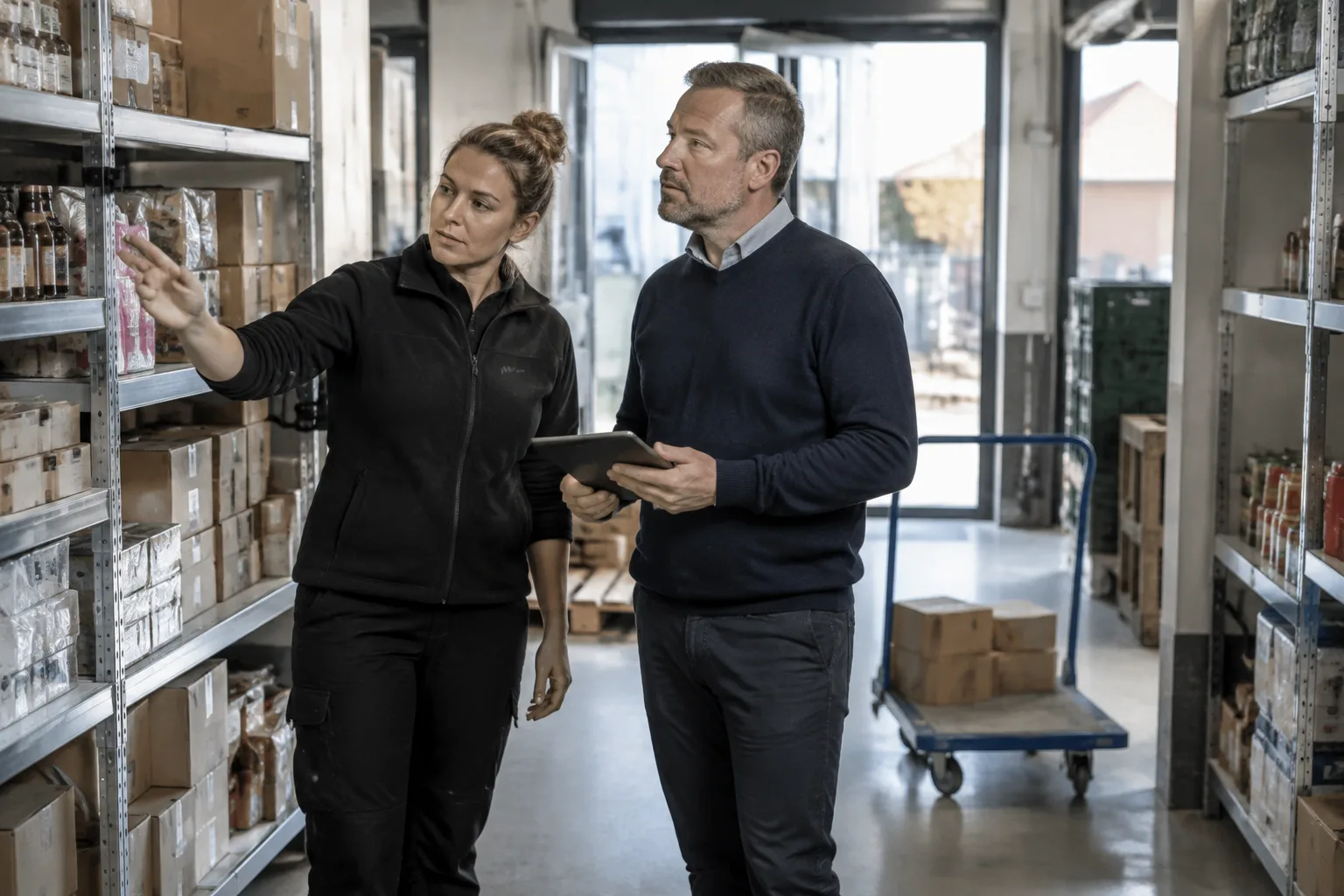
When you turn your existing business into a franchise network, working practices, equipment and premises layouts often become part of the concept. But a safe working environment does not automatically follow. Before your first franchisee opens with staff, clarify who assesses risks, provides instruction and follows up. The aim is a shared framework that supports each employer’s responsibilities without creating a false sense of security.
Distinguish between responsibility for the concept and employer responsibilities
Denmark has no specific franchise law. Franchise agreements are governed by the Danish Contracts Act, general principles of contract law and other relevant legislation. There is also no mandatory franchise-specific registration or statutory franchise disclosure document. However, general duties of good faith and disclosure may require material information to be disclosed before an agreement is signed.
Employees at a franchise outlet are covered by the Danish Working Environment Act and its associated rules in the same way as employees in other businesses. The employer must ensure that work can be carried out safely and without risks to health, including by providing the necessary instruction. A franchise agreement cannot override these duties.
Where the franchisee’s business hires the staff, it will normally be their employer. The franchisor can provide tools and advice, but should not present a shared health and safety package as taking over local responsibility. The franchisor also retains its responsibilities as an employer towards its own staff.
Set out clearly who hires staff, plans work, provides instruction and handles day-to-day supervision. If the franchisor’s employees work on the franchisee’s premises, arrangements for co-operation on safety should also be clarified. Where the structure is unclear, responsibilities must be assessed on the facts, not simply on the labels used in the agreement.
Identify the risks that come with your concept
Start with your current operations. Review a typical working day, from taking deliveries to closing up, and note any tasks that could put strain on employees or cause harm. Consider both physical conditions and how work is organised.
A practical review might cover:
- Lifting, moving and storing goods.
- Using, cleaning and maintaining machinery.
- Cleaning agents and other chemical products.
- Slippery floors, narrow passageways and awkward working postures.
- Time pressure, lone working and difficult customer interactions.
Next, assess which risks are inherent in the concept. If every outlet must use the same machine or layout, it makes sense to assess its safety centrally before making it a network-wide requirement. It is better to change an unsuitable standard than to leave each franchisee to find their own workaround.
Distinguish between shared and local conditions too. A procedure from your existing shop may not account for basement stairs, a different delivery entrance or longer opening hours. Use the review as a basis for local assessments, not as proof that every outlet is safe.
Give franchisees a practical basis for their workplace assessment
The workplace assessment, known in Denmark as an APV (arbejdspladsvurdering), is a key health and safety tool. The franchisor can provide a template and examples, but the local employer must ensure that the assessment reflects the actual workplace and is carried out with the required employee involvement.
Shared materials should help franchisees describe problems, prioritise solutions and assign responsibility for follow-up. Avoid a form that merely asks outlets to tick boxes confirming that they have followed the concept’s standards. Compliance with a franchise standard is not, in itself, evidence of a safe and healthy working environment.
Also bring together the documents relevant to an inspection. Official guidance highlights, among other things, the APV, a written smoking policy and relevant instructions for machinery and hazardous substances. Each outlet’s activities determine which additional requirements apply.
Agree on a fixed location for these materials so that staff and management can find them. Make it clear who updates shared product information and who adapts local instructions. The franchisee should be able to explain how those instructions are used in day-to-day work.
Agree on follow-up without promising regulatory approval
The franchise agreement should describe the franchisor’s support precisely: which templates will be provided? Who will answer questions about equipment used in the concept? How will safety-related changes be communicated? Avoid vague promises that the franchisor will ‘take care of health and safety’.
Also carry out an internal review before opening. This allows the franchisee to document that local risks have been assessed, the necessary instructions are available, and someone has been assigned responsibility and a deadline for addressing each identified problem. The review is an agreed working process, not regulatory approval or a guarantee of legal compliance.
After opening, there should be a straightforward way to report hazards involving shared equipment or procedures. Decide who will investigate reports and how relevant lessons will be shared across the franchise network. Share what has been learnt without unnecessarily circulating information about individual employees.
Practical takeaway: Before expanding, put three things in place: a clear allocation of responsibilities, a review of the concept’s workplace health and safety risks, and a basis for each outlet’s APV. Shared support should make it easier for franchisees to fulfil their responsibilities, not obscure them.
Sources
- Establish a business - Services Contact Point
- Franchising 2025 - Denmark | Global Practice Guides | Chambers ...
- franchise.md
- [PDF] bliver du franchisetager - FranchisePartner
- Franchise
- Franchising in Denmark—Selected Topics
- Franchise i Danmark: bliv franchisetager
- Franchising: at købe sig ind i en forretningskæde