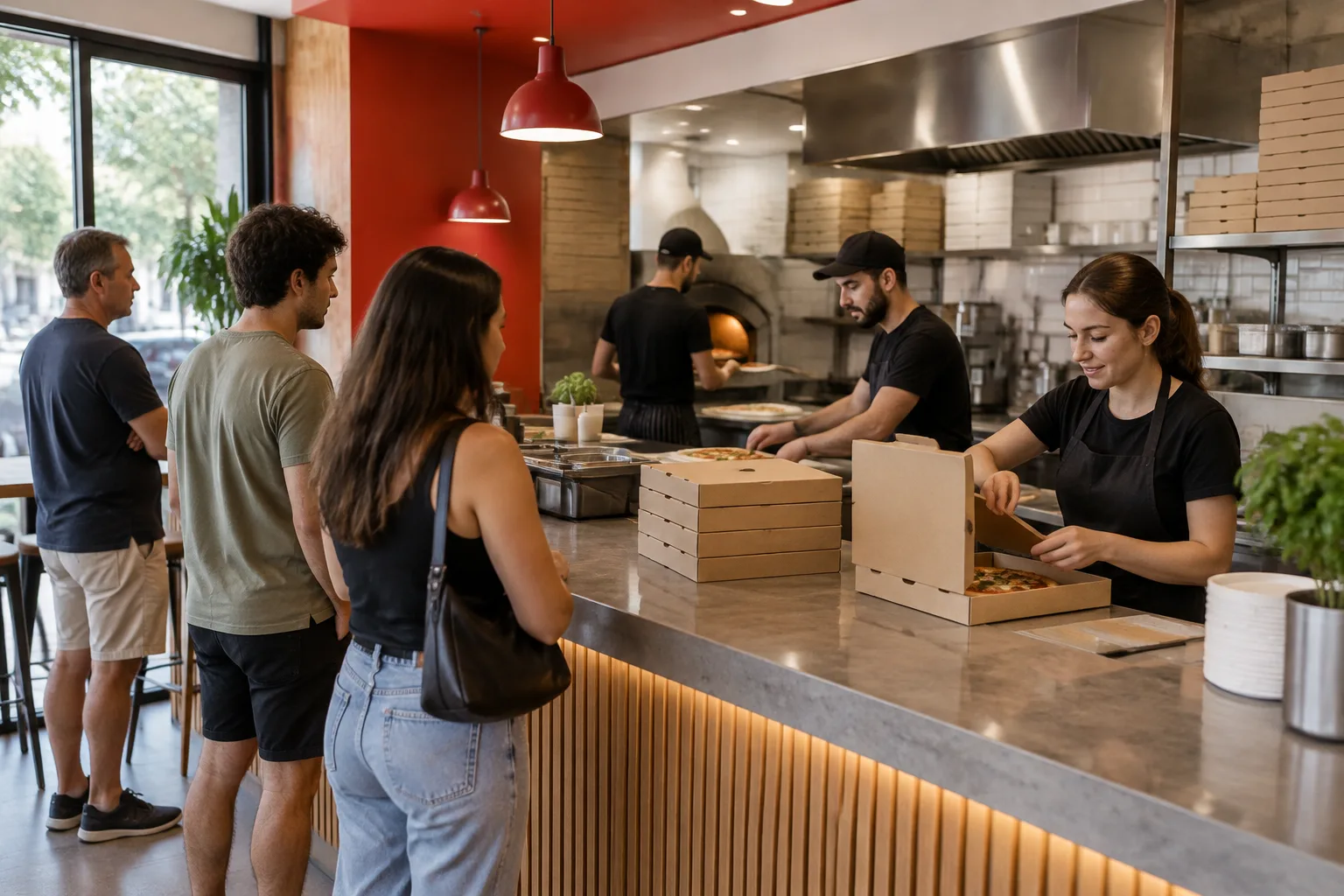
Pizza Hut announces $10 million Australian store makeover
Pizza Hut plans a $10 million refresh of around 250 Australian stores, alongside changes to its website, app and delivery tracking.
Published
Pizza Hut’s Australian operators have announced a $10 million makeover intended to modernise much of the chain’s existing store network. The programme combines restaurant renovations with changes to digital ordering, putting the experience of visiting a store or buying online at the centre of the brand’s refresh.
A refresh for around 250 stores
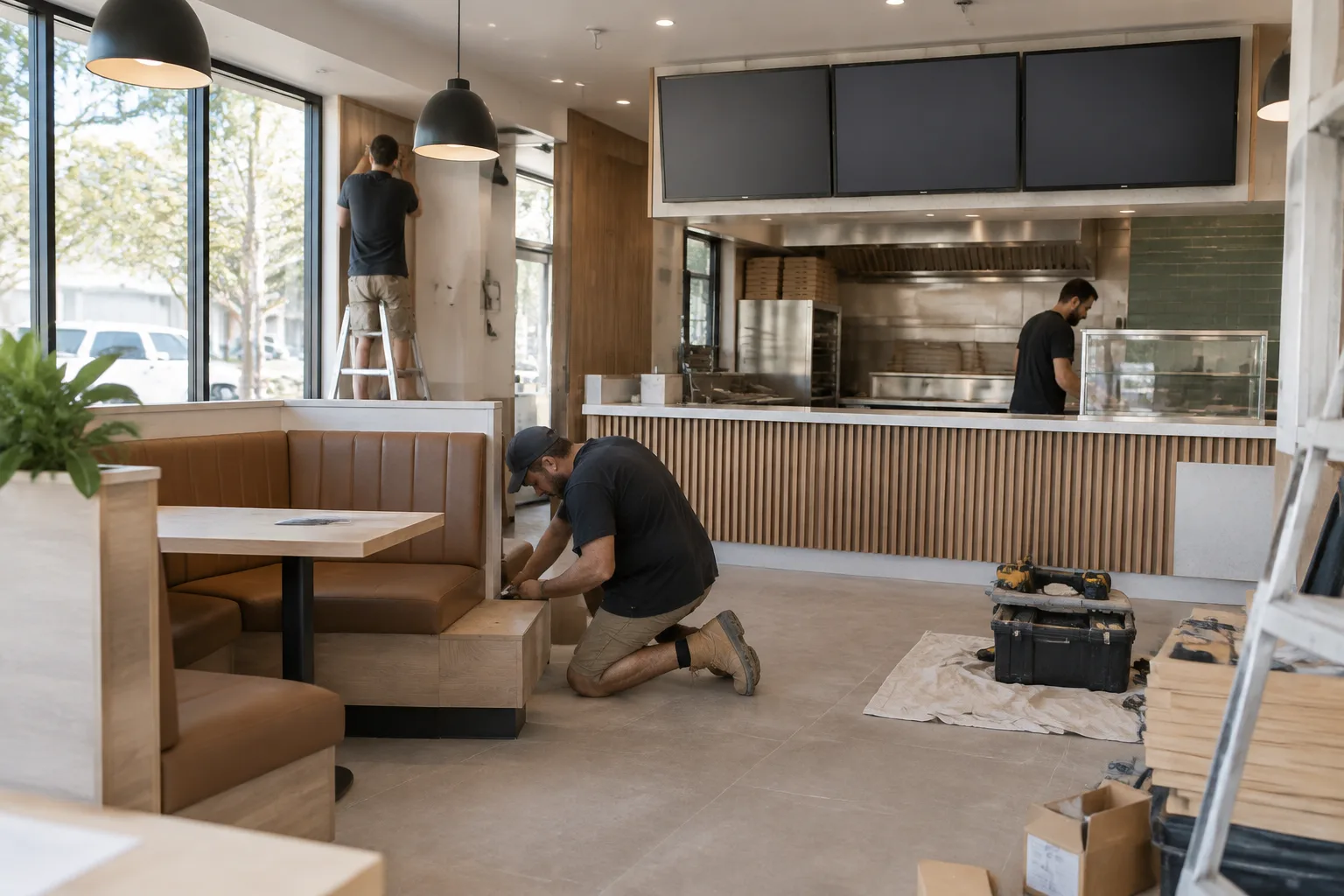
According to Yahoo Finance Australia’s report of 2 September 2026, around 250 of Pizza Hut’s approximately 300 Australian stores are earmarked for the makeover. Planned changes include new furniture and décor, booths, digital screens and updated staff uniforms.
Flynn Group’s Asia Pacific president, Richard Wallis, described the overhaul as a “complete reset” for the brand. The intention is to move away from the nostalgic appearance of its stores and introduce a more modern look across the country.
That makes this principally a story about reinvestment in existing locations, rather than simply adding new outlets. The proposed work covers a substantial majority of the Australian network, giving the programme a broad reach across the brand’s established estate.
The report does not provide a store-by-store renovation schedule or identify which locations will receive which features. Customers and franchise operators will therefore need more detailed local information before knowing precisely how the changes will affect individual restaurants.
Digital ordering is part of the overhaul
The physical refurbishment is only one part of the announcement. Pizza Hut also plans a new digital experience across its website and app, with the stated aims of simplifying ordering and giving customers better visibility over deliveries.
The company says its technology overhaul will optimise service speeds. That is an intended benefit, rather than an independently established result: the supplied report includes no before-and-after service measurements or customer satisfaction figures.
Together, the changes address several different points in a customer’s purchase. Furniture and décor shape the in-store environment, while the website and app affect how customers choose and order food. Delivery visibility extends the proposed refresh beyond the restaurant itself.
For Australia’s franchise community, the distinction is useful. A brand makeover can involve much more than a revised visual identity. In this case, the announced programme brings together the physical setting, staff presentation and the systems customers use to place and follow an order.
Flynn Group builds on its Australian ownership
Flynn Group took over Pizza Hut’s Australian business in 2023 from a private equity owner. The chain has been present in Australia for more than half a century, providing the background to the company’s stated ambition to move beyond its familiar, nostalgic store style.
Flynn Group also holds the Australian franchisee licence for Wendy’s. However, the Pizza Hut announcement centres on upgrading an established network, with existing restaurants forming the main platform for the proposed transformation.
The operators have described the programme as the “fastest brand transformation ever seen in Australia”. That description should be read as a company claim. The supplied report does not include comparative evidence establishing how the rollout ranks against other Australian brand transformations.
Nor does it set out a detailed completion timetable. The scale of the proposed refresh is clear, but its sequencing and delivery milestones remain unspecified in the available reporting.
What franchise operators should watch
The headline investment provides an overall value for the programme, but the report does not explain how costs will be allocated between Flynn Group and individual franchisees. It also does not detail any trading interruptions, training requirements or installation arrangements associated with the renovations and technology changes.
Those are practical questions rather than evidence of problems. For an operator assessing a refurbishment programme, the relevant details include the work required at their location, the installation timetable, funding responsibilities and support during implementation.
The announcement establishes Pizza Hut’s intended direction: a more contemporary store environment supported by changes to ordering and delivery visibility. Whether those measures deliver faster service or a better customer experience will require evidence after implementation.
Practical takeaway: Franchisees considering a comparable refresh should seek a location-specific scope, cost breakdown and implementation plan, and distinguish promised benefits from measured results.