Pizza Hut plans 100-plus new Australian stores by 2030
Pizza Hut’s $10m Australian refresh combines a network-wide redesign with plans for more than 100 new stores by 2030.
Published
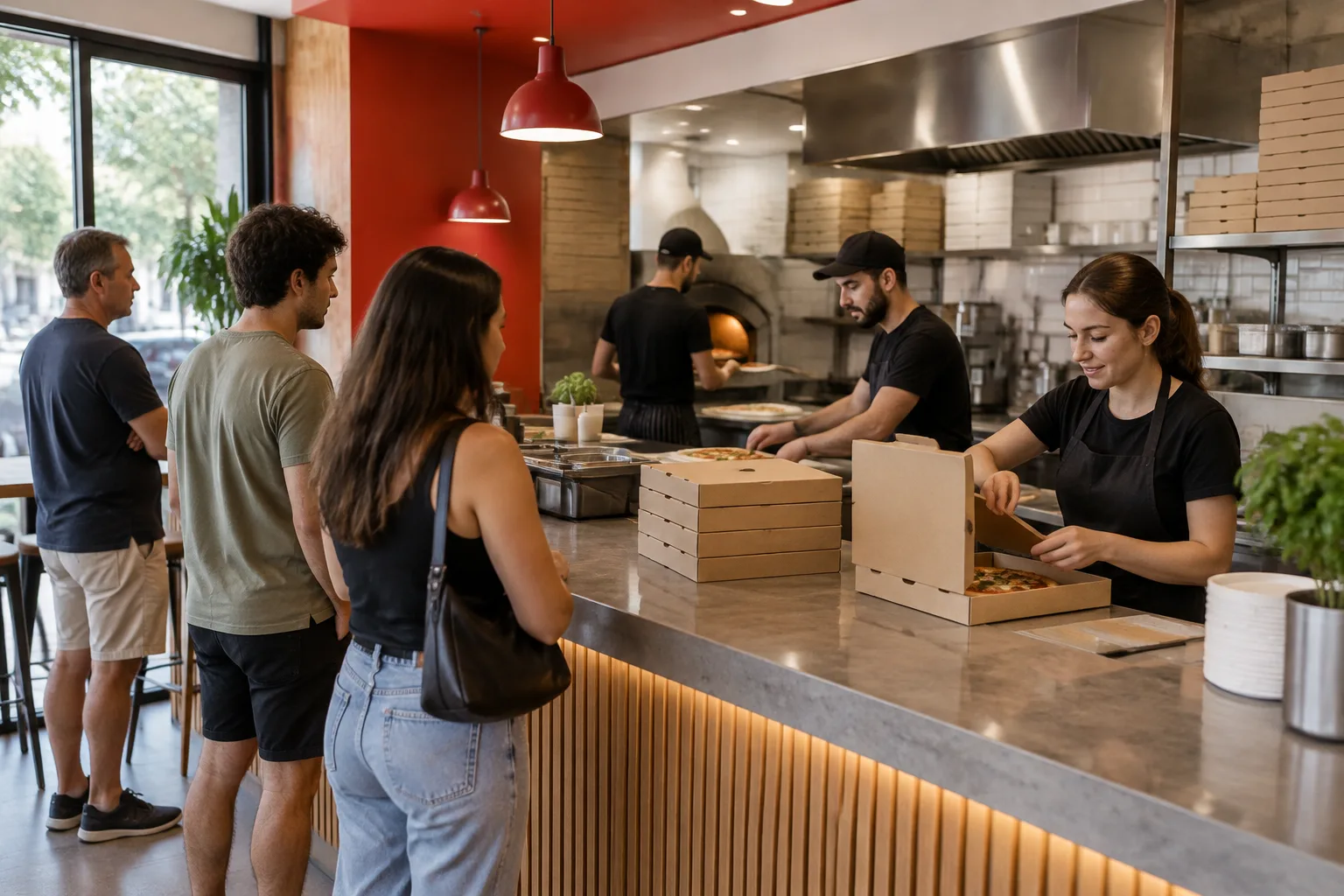
Pizza Hut is combining a $10m Australian brand transformation with plans to open more than 100 new stores by 2030. Reported by QSR Media Australia on 3 September 2026, the programme brings together restaurant refurbishments, packaging changes and a new digital experience, alongside an expansion plan expected to create more than 3,000 jobs.
A refresh across the existing network
The transformation includes refurbishing more than 90% of Pizza Hut’s national store network. The company plans to introduce its new restaurant format across 250 Australian locations by the end of 2026, putting existing outlets at the centre of the programme as well as future openings.
The redesign draws on Pizza Hut’s heritage, incorporating its red hut identity throughout restaurants. That gives the physical changes a recognisable brand reference rather than presenting the refurbishment programme as a departure from the business’s established identity.
The two measures of the rollout describe different aspects of the announcement: more than 90% of the network is included in the refurbishment programme, while 250 locations are targeted for the new format by year-end. The report does not provide a location-by-location schedule or identify which restaurants will be updated first.
For Australia’s franchise community, the scale of the existing-store work is a notable part of the story. This is not simply an announcement about adding outlets; it also involves changing the presentation of a substantial established network.
More than 100 openings targeted by 2030
Pizza Hut said it currently operates 292 stores in Australia, working with more than 200 franchise partners and collectively employing over 5,000 people. Its plan for more than 100 additional stores by 2030 would therefore represent a significant expansion from that reported footprint.
The business opened 15 new stores in 2025 and said further expansion was planned through the remainder of 2026. The longer-term announcement sets a direction through 2030, although the report does not specify an annual opening schedule or list the markets earmarked for new restaurants.
The projected creation of more than 3,000 jobs is tied to the expansion plan. It is a forward-looking expectation, rather than a statement that those positions have already been filled.
The initiative is backed by global franchise operator Flynn Group and supported by more than 200 franchisees. That places franchise partners alongside the corporate backing in the announced transformation, although the report does not set out individual franchisees’ financial contributions or the funding arrangements for particular refurbishments.
Packaging, uniforms and marketing also change
The restaurant redesign is only one element of the $10m transformation. The broader refresh includes updates to 1.7 million pizza boxes, 5 million other packaging items and 15,000 team uniforms, together with a new digital experience.
Those figures show how widely the change extends beyond restaurant interiors. Packaging, staff presentation and digital interactions are all included in the announced work, giving the programme several customer-facing components rather than a single visual update to stores.
Pizza Hut has also launched a brand campaign, “How Bad Do You Want Good?”, which debuted during the 2026 State of Origin decider. The campaign is running across television, out-of-home advertising, digital and social channels, alongside consumer events in Sydney and Melbourne.
The announcement therefore combines changes to the restaurant experience with advertising intended to bring the refreshed brand to consumers. It does not, however, provide sales results or other performance measures attributable to the campaign or the new format.
What franchise partners should examine
The published figures establish the programme’s scale, but they do not explain the economics of an individual new or refurbished restaurant. The $10m headline should not be read as a disclosed per-store investment requirement, nor does the opening target establish the likely return for any particular franchise partner.
For prospective operators, useful questions include which territories are available, how refurbishment costs are allocated and what support accompanies the new digital experience. Existing partners can similarly seek clarity on rollout timing and any operational requirements associated with the changes.
The practical takeaway: Pizza Hut has announced a substantial Australian expansion and refresh, but franchise decisions should rest on store-specific costs, obligations and evidence—not the size of the national growth target alone.