Domino’s to cut short-term deals to simplify franchise operations
Domino’s plans fewer limited-time offers, citing supply-chain pressures and complexity for franchisees as it seeks longer-lasting demand.
Published
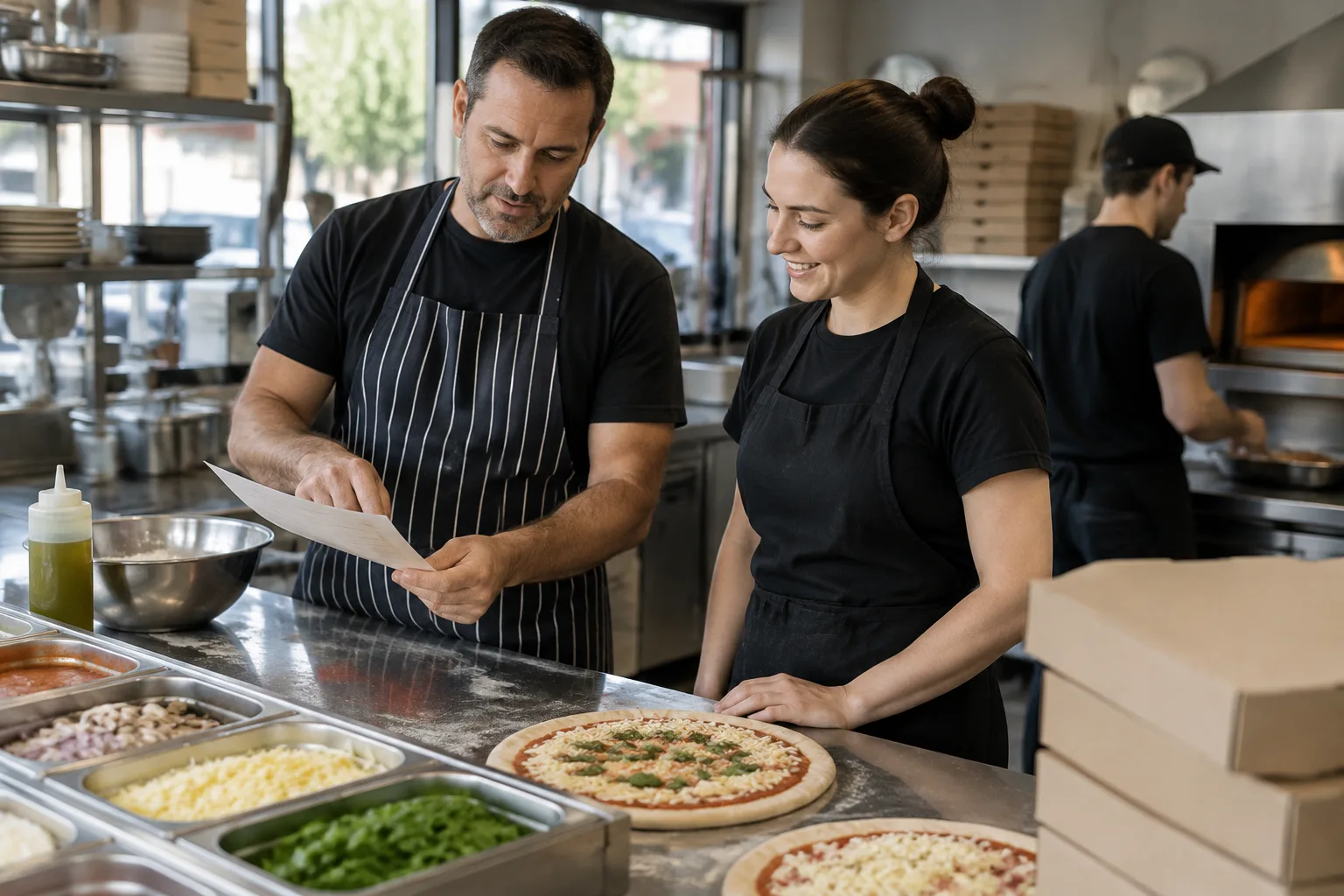
Domino’s Pizza Enterprises plans to reduce its short-term promotions, with chief executive Andrew Gregory saying limited-time offers can create supply-chain problems and make stores harder for franchisees to run. Speaking at the company’s annual meeting in Brisbane, Gregory outlined a shift towards fewer, tested promotions designed to support longer-lasting demand.
Fewer promotions, rather than an end to deals
According to AAP’s report on 11 November, Gregory told shareholders that reducing the number of limited-time offers formed part of his growth plan for the pizza chain.
The approach does not mean short-term deals will disappear. Instead, Gregory said the company would retain a smaller number, with greater emphasis on offers that had been proven and tested.
“That can give us a short-term burst of sales, but we need to build demand that lasts,” he told the meeting.
“Short-term promotions will still have a role, but there will be fewer of them, and they will be proven and tested.”
The distinction is important: Domino’s is proposing a change in the frequency and selection of promotions, not announcing an end to promotional activity. Gregory’s stated objective is to move beyond temporary sales increases and build more sustained customer demand.
Franchise operations shape the decision
Gregory explicitly linked limited-time offers to practical difficulties across the business. He said they created supply-chain issues and made shops more difficult for franchisees to operate.
That makes the announcement more than a change in advertising strategy. The chief executive presented promotional complexity as an operational concern, connecting decisions about customer offers with the work required to deliver them in stores.
For Australia’s franchise community, this is the clearest franchise-specific element of the plan. The proposed reduction addresses a source of difficulty identified by the company’s own leadership, rather than focusing solely on the sales generated by each promotion.
However, the announcement does not establish how much simpler store operations will become. Gregory’s comments set out the direction of travel, while any effect on day-to-day workloads or franchisee returns remains to be demonstrated.
The commitment to fewer, tested offers provides a practical point to watch as Domino’s develops its promotional programme: whether a more selective approach can support demand without recreating the operational problems Gregory described.
Beverage switch accompanies the sales strategy
Gregory also highlighted a separate customer-facing change made in September: Domino’s began offering Coca-Cola-branded beverages rather than Pepsi products.
“This is a consumer-led decision,” he said.
The beverage change and the planned reduction in limited-time offers are distinct decisions. The former is a completed change to the drinks offering; the latter sets out how the company intends to approach promotions.
Together, they illustrate two elements of the commercial agenda described at the meeting: adjusting the products available to customers and reconsidering how frequently temporary offers are used to stimulate sales.
Neither announcement, on its own, demonstrates a financial benefit for individual franchisees. The stated rationale for the beverage switch was consumer preference, while the promotional changes were linked to sustained demand and operational simplicity.
Franchise relations remain in focus
The meeting also addressed relationships between Domino’s and its franchisees. Chair Jack Cowin rejected Australian Financial Review reports of growing tensions as “totally uncalled for”.
The newspaper had reported that many struggling franchisees were behind on tax payments amid stalled mediation talks over franchising fees. Those claims sit alongside, rather than resolve, the company’s account of improving conditions.
“We have regular, robust discussions about how we can work better and be better together,” Cowin said. “That is a healthy franchise system.”
Cowin also said store margins had improved and confidence was being rebuilt across the franchisee network. His comments represent management’s assessment of franchise relations, while the reported concerns underline the importance of distinguishing company strategy from individual operators’ circumstances.
Practical takeaway: Franchisees following the promotional changes should assess both customer demand and store-level complexity. Fewer offers are the stated plan; the key test will be how that approach translates into everyday operations.