Chicken Treat eyes WA growth as it marks 50 years
Chicken Treat sees opportunity in Western Australia’s growing suburbs as the 61-store chain marks its 50th anniversary.
Published
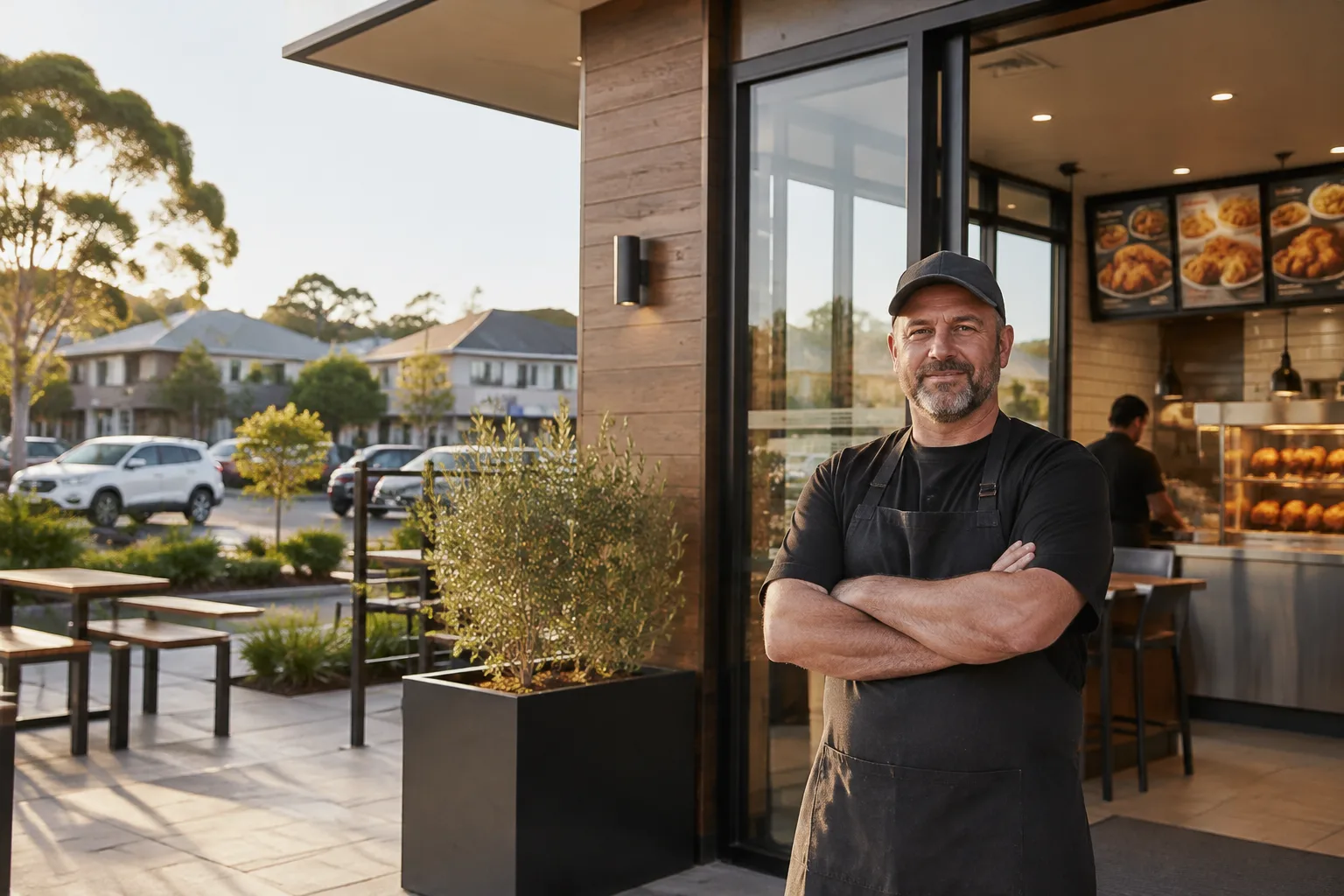
Chicken Treat is looking to Western Australia’s growing residential catchments for its next expansion opportunities as it marks its 50th anniversary. The 61-store chain is linking new restaurants to local demand, franchise partner alignment and the strength of its existing network, rather than announcing a national store target.
Growing suburbs shape the opportunity
In an interview published by QSR Media on 6 October, Chicken Treat chief executive Jamie Stewart identified further room for growth in the brand’s home state as population growth creates new residential catchments.
He pointed to a recently opened restaurant in a developing suburb where housing and commercial activity increased after Chicken Treat committed to the location. The example illustrates the chain’s interest in places where the surrounding customer base is developing alongside a new restaurant.
For prospective franchise partners, that makes the catchment central to understanding the opportunity. The question is not simply whether a brand has space to expand, but whether a particular location can support a sustainable operation as the neighbourhood develops.
Stewart did not set a national rollout target. Instead, he said the business would continue investing with franchise partners and expand where customer demand could support sustainable operations. Western Australia remains a clear area of opportunity in that approach, without a numerical commitment to future openings.
A familiar brand in a competitive market
The anniversary comes as competition remains intense across Australia’s chicken category. Chicken Treat’s response is to concentrate on its rotisserie chicken offer, value proposition and Western Australian identity rather than imitate larger competitors.
Stewart said maintaining relevance had depended on food quality and service, alongside continued updates to the menu and brand experience. That combines the familiar elements of the business with changes intended to keep the offer relevant to customers.
For the franchise community, the distinction matters: an established name and a long trading history are part of the proposition, but Stewart’s account also places emphasis on the experience customers receive in restaurants today.
The chain’s Western Australian identity is therefore one part of a broader offer. Food, service and value remain central to how Stewart described its position in the market. His comments did not present the anniversary itself as a reason to accelerate openings.
Bringing franchise partners into the plan
Since becoming chief executive, Stewart has focused on aligning franchise partners, restaurants and the support office around a common growth plan.
“The biggest agenda item for me was just to gain that network alignment and ensure that everyone was aware of the plan of what we’re trying to do, but more importantly, the why we’re doing it,” he told QSR Media.
That emphasis puts communication with existing operators alongside the search for new locations. Stewart described growth as something to pursue with franchise partners, with new restaurants expected to strengthen the network and remain profitable for their operators.
“I don’t believe that store numbers or opening store numbers should be something you just chase,” he said.
The current footprint of 61 stores provides the baseline for that approach, not an announced stepping stone towards a specified national total. The next phase, as described by Stewart, depends on the suitability of opportunities rather than a predetermined opening count.
What prospective partners should assess
Chicken Treat’s comments give prospective franchise partners three useful areas to explore: the demand supporting a proposed site, its place within the existing network and the support office’s plan for working with operators.
In a developing suburb, those conversations should distinguish between the customer base already present and the growth anticipated around the restaurant. Applicants should also ask how the brand assesses site economics and how franchise partners are involved in the wider growth plan.
Practical takeaway: Anyone considering a Chicken Treat opportunity should test the individual location and operating assumptions, rather than treating the brand’s anniversary or existing store count as evidence that a proposed restaurant will succeed.