Cork F45 gym closes as Irish fitness businesses face cost pressures
F45 Elysian in Cork has closed after four years, with its operator heading for voluntary liquidation. Other Irish F45 franchises are unaffected.
Published
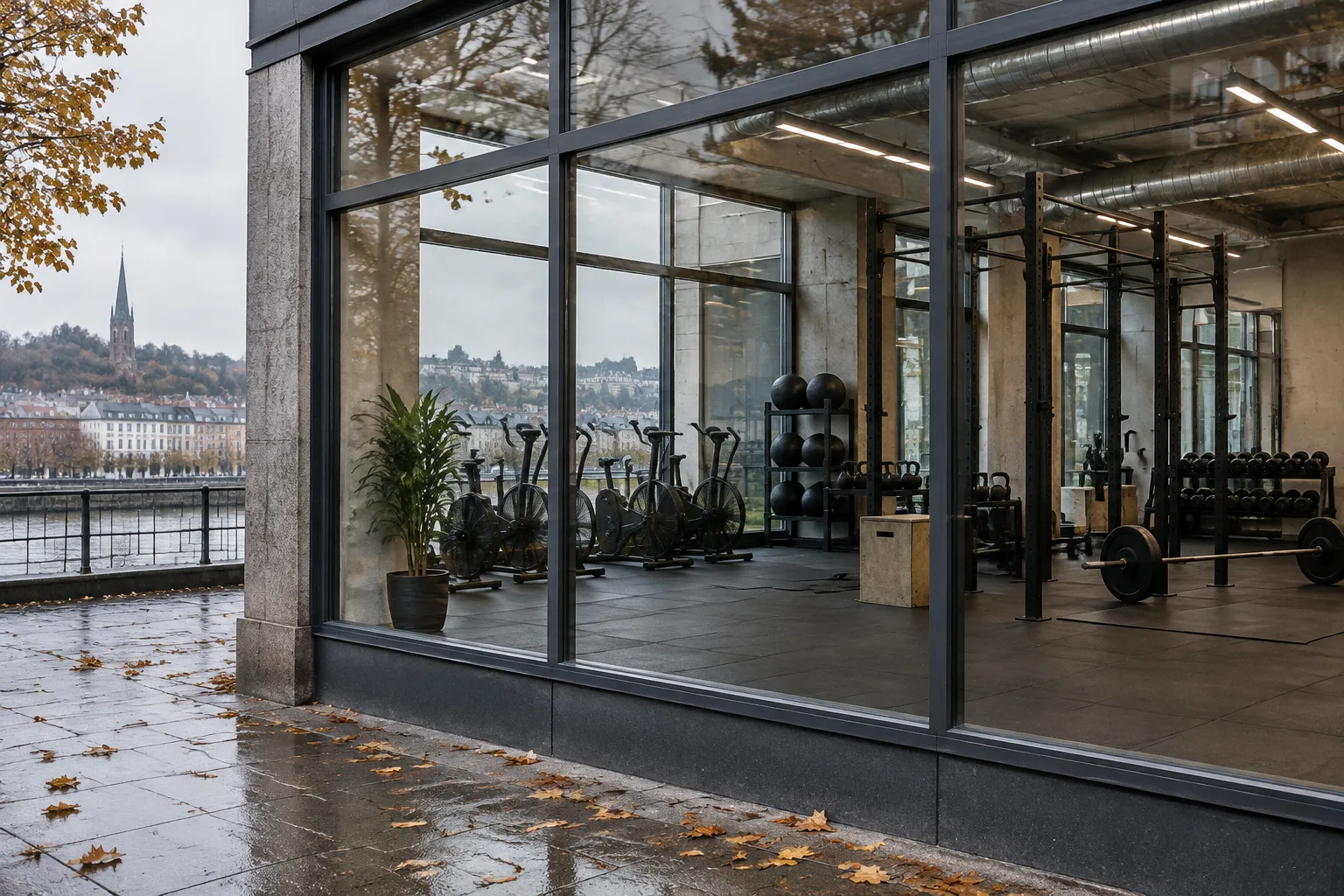
F45 Elysian in Cork has closed after four years, with the company operating the gym set to enter voluntary liquidation. The closure, reported by the Irish Examiner on 17 October 2026, comes against a backdrop of rising business costs, but other F45 franchises in Ireland are unaffected.
Cork operator unable to continue trading
The 3,150 sq ft fitness centre was based at the Elysian, one of Cork city’s landmark buildings. Its directors, Paul Buckley and former Munster and Ireland rugby player Peter Stringer, said Brisbane Fitness Investment Company Limited, which operated the gym, was unable to continue trading and would be placed into voluntary liquidation.
The announcement brings the local business’s four-year run to an end. For Ireland’s franchise community, the important distinction is between the position of this operating company and that of other businesses trading under the F45 name.
The Irish Examiner explicitly reported that other Irish F45 franchises were unaffected by the Cork closure. It also described four F45 franchises as operating successfully in Ireland. The Cork announcement should therefore not be read as an Irish withdrawal by the brand or as evidence that the same financial position applies across its local network.
Rising costs provide a difficult backdrop
The closure featured in a wider examination of the pressures facing Irish fitness businesses. James Anderson, a partner in Deloitte Ireland’s Turnaround & Restructuring team, highlighted energy costs and wage increases as challenges for businesses.
According to Anderson, fitness and beauty businesses accounted for 15 of the 219 insolvencies recorded across services in the first nine months of 2026. That figure covers fitness and beauty together: it is not a count of gym closures or franchise failures alone.
Anderson also pointed to the minimum wage increase in the recent Budget as an additional cost for employers, while acknowledging its importance for employees on the minimum wage.
These observations provide context for the Cork announcement, rather than a detailed explanation of the gym’s finances. The directors’ statement established that the operating company could no longer trade. The wider cost commentary does not, on its own, establish how much any particular expense contributed to that outcome.
For prospective fitness franchisees, the distinction matters. General market pressures can help shape questions during due diligence, but they cannot replace an assessment of an individual location’s costs, obligations and trading performance.
A substantial market, with further competition ahead
The closure comes within an Irish fitness market that remains substantial. Karl Dunne, chief executive of Ireland Active, put its annual value at €600 million and employment at 12,000 people, according to the Irish Examiner.
Ireland Active represents more than 450 publicly and privately owned leisure centres, gyms, pools and other providers nationwide. Those figures describe a broader fitness and leisure market, not the size of Ireland’s fitness franchise community specifically.
Further competition is also on the horizon. The report said UK gym operator PureGym would open its first operations in Ireland in 2027. That planned arrival sits alongside the Cork closure as a reminder that market expansion and individual business difficulties can occur at the same time.
A large national market does not establish the viability of every gym. For anyone evaluating a franchise opportunity, the useful question is how the proposed location’s business plan stands up, rather than whether demand for fitness exists in general.
Local closure sits within a wider F45 network
F45 has experienced significant changes internationally. Following its stock market flotation in 2021, its valuation fell and it delisted from the New York Stock Exchange two years later. Nevertheless, the Irish Examiner reported a continuing global presence of 1,500 studios across more than 55 countries.
That international scale and the unaffected Irish franchises are important context, but neither changes the outcome for the Cork operating company.
The practical takeaway for Ireland’s franchise community is to assess local business resilience separately from brand reach. Before committing to a fitness franchise, scrutinise the location’s cost assumptions and financial headroom, and distinguish clearly between developments at one operator and those affecting the wider network.