Mike Baird steps down as Cricket Australia chair
Mike Baird has stepped down as Cricket Australia chair after NSW withheld support for the board’s Big Bash private investment decision.
Published
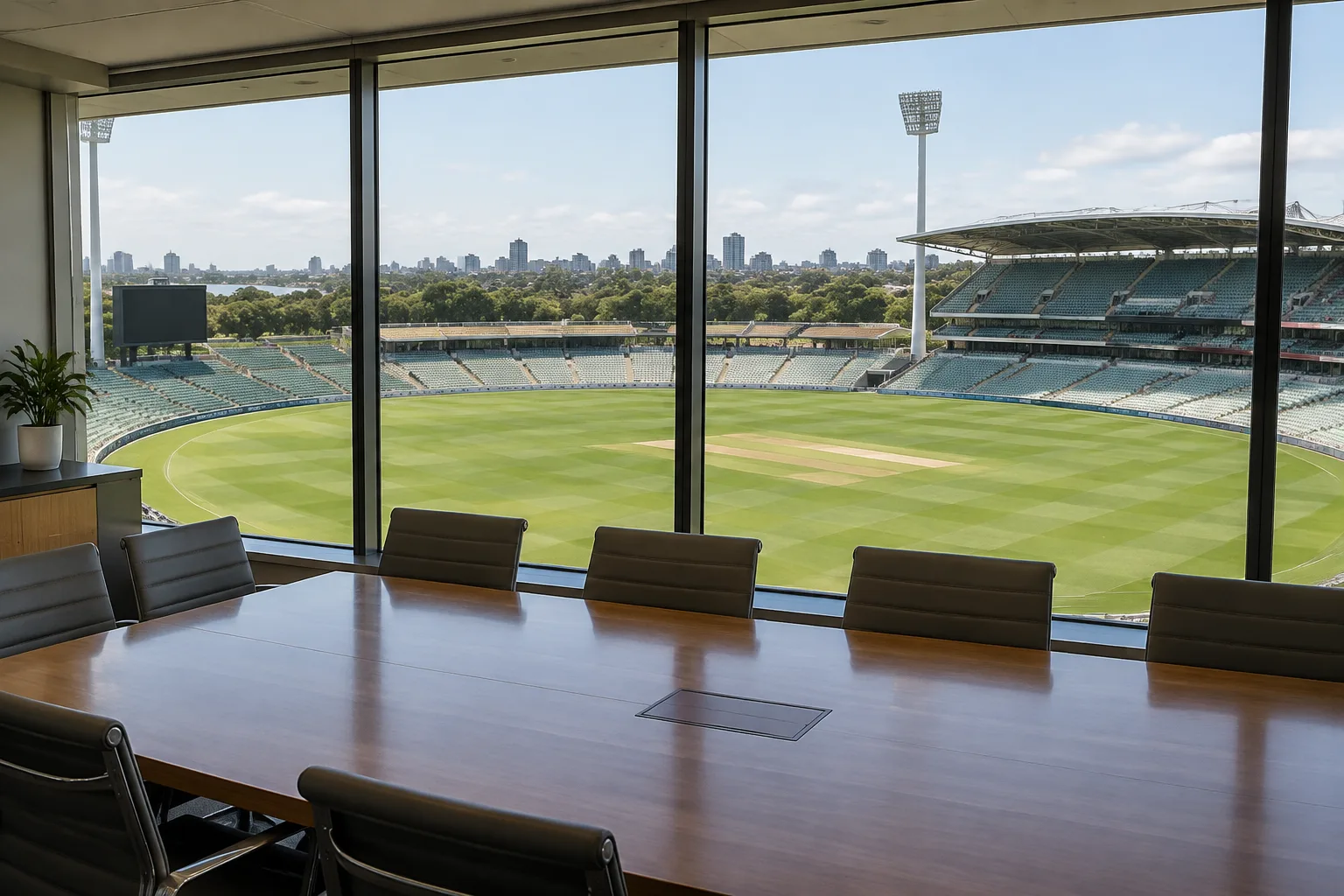
Mike Baird stepped down as Cricket Australia chairman on 28 September 2026 after his home state of New South Wales did not support the board’s decision to proceed with private investment in the Big Bash League. The departure puts the governance of the proposed change in focus, rather than simply the prospect of new owners for Australian cricket franchises.
A leadership departure following state opposition
Reuters reported Baird’s departure on 28 September, placing it against the fallout from Cricket Australia’s decision to introduce private investors into the BBL. The key point of disagreement identified in the report was New South Wales’ lack of support for the board’s decision.
That gives the story a distinct focus: a change at the top of Cricket Australia following opposition to a significant ownership proposal. It is not an announcement of a completed franchise sale, nor evidence that a private investor has already taken control of a team.
The supplied report does not set out New South Wales’ detailed objections. It therefore provides no basis for attributing the disagreement to a particular valuation, proposed ownership structure or distribution of sale proceeds. Equally, it does not establish that opposition extended to every aspect of private investment.
For readers following developments across Australia’s franchise community, those distinctions matter. The confirmed news is Baird’s departure and the lack of support from his home state; the underlying commercial arguments are not explained in the available account.
The investment plan behind the dispute
Earlier in September, Cricket Australia announced that private investors would be introduced into the BBL from the 2027–28 season. According to Reuters, that process would begin with the sale of the Melbourne Renegades Twenty20 franchise.
The timetable and proposed first sale provide the essential context for Baird’s exit. The board had announced a direction for the competition, but the report describes a future investment programme rather than a transaction that had already been completed.
There is no sale price, named buyer or ownership percentage in the supplied research. It also does not explain how an investor would share decision-making responsibilities with cricket’s existing governing bodies. Those are important gaps for anyone trying to assess the eventual commercial arrangement, and they should not be filled with assumptions.
Baird’s departure should likewise not be read as confirmation that the investment plan has been cancelled, delayed or altered. The available report establishes the leadership change but does not announce a revised timetable for the BBL proposal.
What this means for franchise readers
The word “franchise” requires some care in this story. Reuters uses it to describe the Melbourne Renegades Twenty20 team. The research does not describe a conventional business-format franchise opportunity available to prospective small-business owners.
There is consequently no basis here for drawing conclusions about franchise fees, franchisee recruitment or obligations under Australian franchising regulation. This is a sports ownership and governance story, with relevance to the broader franchise community through its focus on investment and stakeholder support.
The governance question is clear even though the commercial details remain limited: how will Cricket Australia take its announced investment programme forward following its chairman’s departure and New South Wales’ opposition? The report does not answer that question, but it explains why the next formal decisions warrant attention.
The next developments to watch
Further reporting will be needed to establish who succeeds Baird, whether Cricket Australia reaffirms its investment timetable and how the proposed Melbourne Renegades sale progresses. These are questions arising from the announcement, not confirmed developments.
For anyone assessing the investment proposal, the most useful next evidence would be formal transaction details and clarification of governance arrangements. A leadership departure is significant, but it cannot substitute for information about what is being sold and on what terms.
Practical takeaway: treat Baird’s exit as a confirmed governance development, not a completed franchise transaction. Keep the announced BBL investment plan separate from any future changes, and wait for verified sale details before drawing commercial conclusions.